Industrial Drain Maintenance That Prevents Shutdowns
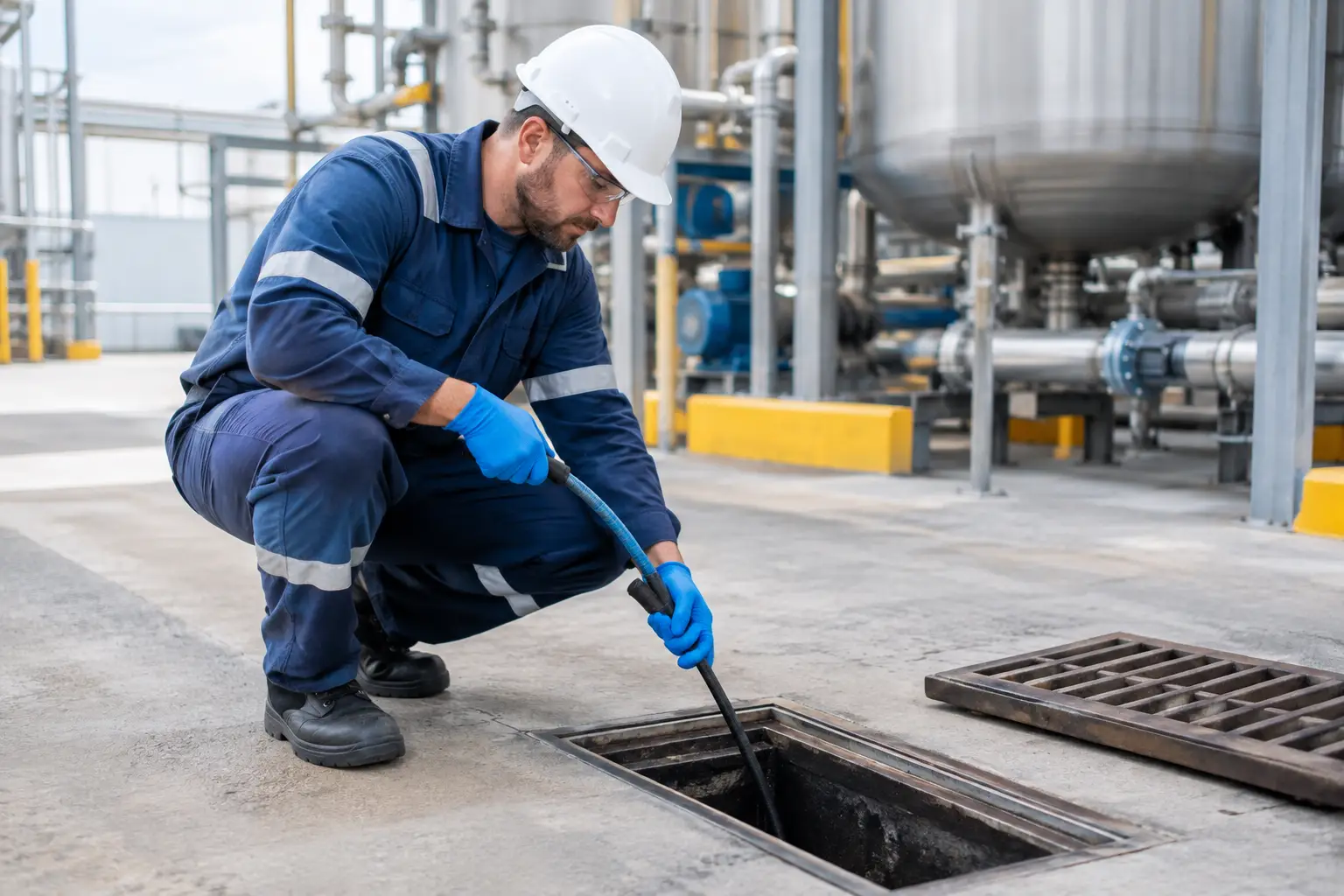
A floor drain backing up beside a production line is not a minor plumbing issue. It can stop work, create a slip hazard, damage inventory, introduce compliance concerns, and send wastewater where it does not belong. Effective industrial drain maintenance gives facility leaders control before a slow drain becomes an operational shutdown.
For Colorado industrial properties, the right maintenance plan is not simply a recurring drain cleaning appointment. It is a documented process of inspecting the system, removing accumulating material, identifying pipe defects, and responding quickly when operating conditions change. The objective is clear: keep wastewater moving safely while protecting equipment, people, production schedules, and the facility itself.
Why Industrial Drains Fail Under Normal Use
Industrial drains handle much more than typical restroom wastewater. Depending on the operation, lines may receive sediment, metal shavings, process residue, grease, food solids, chemical byproducts, wash-down water, lint, sludge, or scale. Even when a facility follows disposal procedures, small amounts of material can settle in horizontal lines, catch at fittings, or build up around older pipe joints.
Flow problems often begin gradually. A line that once cleared immediately may take longer to drain. Floor drains may gurgle during heavy water use, odors may develop near rarely used fixtures, or a downstream cleanout may show evidence of standing water. These are early warnings, not inconveniences to ignore. By the time wastewater rises onto the floor, the blockage may be substantial or the pipe may have a structural problem that cleaning alone will not correct.
Colorado’s freeze-thaw cycles can add another variable for exterior and shallow buried piping. Ground movement, temperature changes, and aging materials can contribute to cracks, separated joints, bellies, and root intrusion. Inside a facility, high-volume discharge, improper connections, and changes in production can overload drain lines that previously appeared adequate.
The Core of an Industrial Drain Maintenance Plan
A useful program is based on the facility’s actual use, not a generic calendar. A food-processing area, machine shop, warehouse, commercial kitchen, manufacturing plant, and institutional laundry do not produce the same waste stream. Service frequency should reflect what enters the drains, how much water flows through them, the age and material of the piping, and the consequences of a backup in each area.
Start With a Complete System Assessment
Before setting a cleaning schedule, a qualified sewer contractor should identify the drain system layout, key cleanouts, floor drains, interceptors, lift stations, exterior sewer connections, and known trouble locations. Existing maintenance records are valuable, but they do not always reveal hidden offsets, pipe damage, or undocumented changes made during past remodels.
Video sewer inspection provides the clearest starting point. A camera inspection can show whether a recurring restriction is caused by debris buildup, grease accumulation, roots, scale, a broken section of pipe, or a low area holding water and solids. That distinction matters. Repeatedly clearing a line with a displaced joint may restore flow for a short time, but it does not eliminate the reason debris keeps collecting.
The inspection should establish a baseline condition and identify priority areas. Facilities with critical drains near production equipment, loading docks, clean rooms, kitchens, or customer-facing areas should treat those lines as higher-risk assets.
Remove Buildup With the Right Method
Mechanical cabling can be effective for certain localized clogs, especially where the goal is to open a blocked line quickly. However, opening a path through debris is different from thoroughly cleaning pipe walls. For heavy grease, sludge, scale, sediment, and broad accumulation, hydro jetting is often the better maintenance method because it uses controlled high-pressure water to scour the interior of the line.
The right approach depends on the pipe’s condition. Older, deteriorated, or damaged pipe may require camera verification before aggressive cleaning. A trained technician must match the jetting pressure, nozzle, and cleaning method to the pipe material, diameter, access points, and type of buildup. More pressure is not automatically better. The goal is to restore dependable flow without creating additional damage.
Cleaning should also include accessible drain strainers, catch basins, trench drains, and interceptor components where applicable. Debris removed before it enters the lateral line is less expensive to manage than a blockage several hundred feet downstream.
Schedule Inspections Before Problems Return
Maintenance intervals should be adjusted using evidence from prior service. If a line accumulates grease or solids every three months, annual cleaning is unlikely to be sufficient. If video inspection shows a structurally sound line that remains clean after six months, the schedule may be extended responsibly.
Many facilities benefit from quarterly or semiannual service for high-use drain systems, while lower-demand areas may need annual inspection and cleaning. There is no single schedule that fits every building. A practical plan records the condition found at each visit, work performed, recurring materials removed, and any recommendation for repair. This gives facilities teams a basis for budgeting and helps prevent emergency calls from becoming the only source of information about their sewer system.
When Cleaning Is Not Enough
A drain that repeatedly backs up after professional cleaning deserves a closer diagnosis. Persistent trouble can indicate root intrusion, crushed pipe, corrosion, scale severe enough to reduce pipe diameter, offset joints, or a sagging section that holds wastewater. In these situations, another round of drain cleaning may provide temporary relief, but it will not deliver a lasting result.
Video inspection allows the contractor and facility representative to see the condition of the pipe and determine whether targeted repair, trenchless rehabilitation, or replacement is appropriate. For buried lines beneath parking areas, landscaping, sidewalks, warehouse floors, or sensitive operations, trenchless options can significantly reduce disruption.
CIPP epoxy pipe lining can rehabilitate certain damaged pipes from within by creating a new, jointless pipe inside the existing host pipe. Pipe bursting may be the right option when a line requires replacement and access points allow a new pipe to be installed with limited excavation. Each method has site-specific requirements, so the decision should follow a proper inspection rather than a sales pitch for one solution.
For industrial and commercial operators, the benefit is not only reduced digging. It is the ability to address failing infrastructure with less impact on traffic routes, finished surfaces, production spaces, and daily operations. Planning the work around operating hours, safety protocols, and access needs is just as important as selecting the repair method.
Protecting People, Equipment, and Compliance
Drain maintenance supports more than plumbing performance. Standing wastewater can create slip hazards, expose employees to contaminants, damage electrical equipment, and affect sanitation conditions. For hospitals, schools, food-related operations, and facilities with strict environmental or safety requirements, the consequences can escalate quickly.
A strong plan includes clear reporting procedures. Employees should know who to notify when they see slow drainage, unusual odors, gurgling, water around a floor drain, or repeated clogging in the same area. Facilities staff should document the location, time, affected equipment, and recent activity near the drain. Those details can help a service professional trace the problem faster.
It also helps to review operational habits. Excessive solids, wipes, packaging fragments, mop debris, oils, and unauthorized chemicals can overwhelm even a well-maintained system. Drain screens, proper waste containers, employee training, and regular cleaning of collection points all reduce the load placed on buried piping.
What to Expect From a Professional Service Partner
Industrial drain work should be handled by a contractor with the equipment and diagnostic capability to do more than respond to the immediate backup. The service provider should be able to locate and access the affected line, clear it safely, inspect the condition of the pipe, explain findings plainly, and recommend the least disruptive path forward.
For larger facilities, coordination matters. Service crews need to understand site access, confined-area requirements, traffic patterns, shutoff windows, and any process restrictions. A dependable contractor will communicate what needs to happen before work begins, protect the work area, and provide documentation that facilities teams can use for future planning.
All Sewer and Plumbing Services, LLC helps Colorado property and facilities leaders evaluate recurring drain problems with professional cleaning, video inspection, and trenchless repair options when the pipe itself is failing. The right response is based on evidence from inside the line, not guesswork above it.
A well-maintained drain system rarely gets attention because it does its job quietly. Keep it that way by acting on early warning signs, documenting repeat issues, and scheduling expert inspection before the next backup decides your operating schedule for you.
FREE Estimates
How can we help you?

our services

contact our team today
Contact a service professional at All Sewer and Plumbing Services LLC today. We are here to answer all your questions.
OPEN 24 hours 7 days a week