When Should Sewer Lines Be Replaced? Key Signs
A sewer backup in a finished basement, a restaurant kitchen with recurring drain failures, or a persistent sewage odor near a building is more than an inconvenience. The question, “when should sewer lines be replaced,” becomes urgent when the pipe can no longer move wastewater reliably or when repeated repairs are costing more than a permanent solution.
A damaged sewer line does not always require full replacement. Many lines can be rehabilitated with trenchless epoxy pipe lining, which creates a durable new pipe inside the existing one. However, severe collapse, major separation, poor slope, or extensive deterioration may call for replacement. The right answer starts with a professional video sewer inspection, not guesswork or another temporary drain cleaning.
When Should Sewer Lines Be Replaced Instead of Repaired?
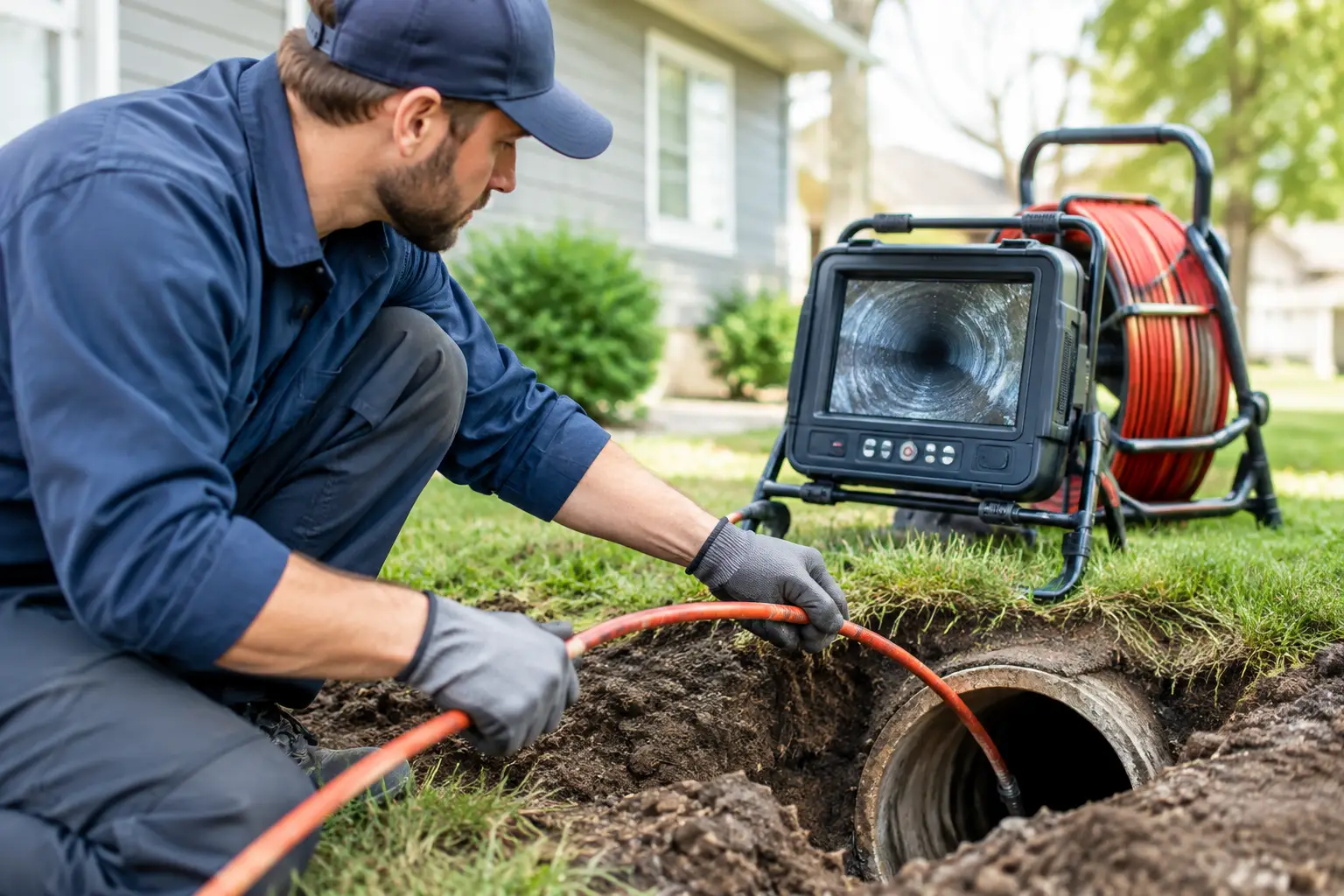
Replacement is usually the better long-term choice when the existing pipe has lost its structural integrity or cannot be restored to proper flow. A camera inspection shows the condition of the pipe from the inside, including cracks, offsets, root intrusion, corrosion, bellies, and collapsed sections. It also identifies the location and depth of the problem, which helps prevent unnecessary excavation.
For homeowners, the decision often comes down to the age and material of the line, the frequency of backups, and the cost of repeated service calls. For commercial facilities, schools, hospitals, hotels, and restaurants, the stakes are higher. A sewer failure can interrupt operations, create sanitation concerns, damage inventory, and expose the property to costly downtime.
Replacement may be recommended when the pipe has widespread failure rather than one isolated defect. A single localized crack can sometimes be repaired. A line with recurring roots, multiple fractures, corroded walls, and poor drainage usually needs a more complete solution.
The Pipe Is Collapsed, Crushed, or Severely Offset
A collapsed sewer line cannot be restored with routine cleaning. Soil movement, vehicle traffic, settling foundations, and aging pipe materials can crush or shift underground pipe sections. When sections are separated or significantly offset, wastewater and toilet paper catch at the joints and create repeat blockages.
In some cases, trenchless pipe bursting can replace a failed line without digging a long trench across the property. This method pulls a new pipe through the path of the old one while breaking apart the damaged pipe. It is often a practical option where landscaping, driveways, sidewalks, parking areas, or occupied building spaces need to remain intact.
Backups Keep Returning After Professional Cleaning
Drain cleaning clears an obstruction, but it does not correct a failing pipe. If backups return in the same area after professional cleaning, there may be a structural issue that is allowing roots, debris, or waste to collect. Slow drains throughout the building, gurgling toilets, and water appearing in a lower-level tub or shower are common warning signs of a main sewer problem.
Recurring backups deserve a camera inspection before another cleaning appointment. The goal is to determine whether the line is blocked by a removable obstruction or whether its condition is creating the blockage. Continuing to clear a damaged sewer line can become an expensive cycle without solving the underlying issue.
Roots Have Taken Over the Line
Tree roots naturally seek moisture, and small leaks at pipe joints can attract them. Older clay, concrete, cast iron, and Orangeburg sewer lines are especially vulnerable. Roots may be cut out during drain cleaning, but they often grow back through cracked joints or weak pipe walls.
If root intrusion is limited and the host pipe remains structurally sound, CIPP epoxy pipe lining may seal the entry points and prevent future root growth. If roots have caused major breaks, displacement, or collapse, replacement may be the more dependable option. The inspection footage determines which approach is appropriate.
The Sewer Line Has Extensive Corrosion or Deterioration
Cast iron pipes can corrode from the inside, leaving rough, scaled walls that restrict flow and catch waste. Clay pipe joints can separate. Orangeburg, a compressed fiber pipe used in some older properties, can deform, blister, or collapse as it ages. These conditions typically worsen over time.
A pipe does not need to be fully collapsed before action is warranted. When inspections reveal thinning walls, widespread cracking, channeling, or deformation along much of the line, waiting can lead to a sudden failure. Planned rehabilitation or replacement is usually less disruptive than an emergency response after sewage has entered the building.
Signs Around the Property That Need Fast Attention
Some sewer issues show up outside before they become a full indoor backup. Wet or unusually green patches in the yard, sinkholes, soft soil, sewer odors, and unexplained pest activity can indicate a leaking underground line. Do not assume the issue is minor simply because drains are still working.
Inside, multiple slow fixtures are more concerning than one slow sink. If toilets bubble when a washing machine drains, or wastewater rises in a floor drain, the main line may be restricted. Property managers should treat these symptoms as a maintenance priority, especially in occupied multifamily, hospitality, healthcare, and food-service buildings.
A sudden increase in water use or plumbing-related odors can also warrant investigation. A camera inspection provides evidence of what is happening underground and gives owners a clear basis for deciding between cleaning, spot repair, lining, or replacement.
Trenchless Repair Versus Full Sewer Replacement
Traditional replacement requires excavation to expose the pipe. That can mean removing landscaping, concrete, flooring, parking surfaces, or portions of a road. Excavation remains necessary in certain situations, including major grade corrections, inaccessible pipe sections, and conditions where a trenchless method is not technically viable.
Trenchless solutions reduce that disruption when site conditions allow. CIPP lining uses an epoxy-saturated liner installed inside the existing pipe. Once cured, it forms a jointless, corrosion-resistant pipe within the old line. It is especially effective for pipes with cracks, small offsets, root intrusion, and corrosion when the original pipe still provides a usable pathway.
Pipe bursting is a replacement method, not simply a repair. It is often used when the old pipe is too damaged for lining but its route can still be followed. Small access points are typically required, but the process can avoid a lengthy open trench. Both methods can reduce restoration costs and keep lawns, hardscapes, and business operations more protected.
The best option depends on the inspection findings, pipe material, depth, access, utility conflicts, slope, and local code requirements. A lower upfront quote is not always the lower total cost if it leaves the real failure in place or requires extensive surface restoration later.
Why Early Planning Matters for Colorado Properties
Denver-area properties face conditions that can accelerate underground pipe problems. Freeze-thaw cycles, expansive soils, mature trees, aging infrastructure, and property settlement can all affect sewer lines. Historic homes and older commercial buildings may also have outdated pipe materials that are nearing the end of their service life.
Planning a sewer project before failure gives owners more control over timing, access, and budget. Commercial operators can schedule work around lower-traffic periods. Facilities teams can coordinate with tenants and protect critical operations. Homeowners can address the problem before a backup damages flooring, drywall, furnishings, or personal belongings.
All Sewer and Plumbing Services uses video diagnostics and trenchless methods to identify the most practical path forward while minimizing disruption to the property. The objective is not to sell replacement when a repair will perform, but to recommend a durable solution that matches the actual condition of the line.
Get Evidence Before Making a Major Sewer Decision
No property owner should have to choose between repeated backups and unnecessary excavation. A detailed sewer camera inspection turns symptoms into usable information: where the damage is, how extensive it is, and whether the pipe can be cleaned, lined, repaired, or replaced.
If your drains are repeatedly backing up, roots keep returning, or inspection footage shows a compromised pipe, act before the next failure chooses the timing for you. A clear diagnosis and the right trenchless option can protect your property, operations, and budget for years to come.
FREE Estimates
How can we help you?

our services


contact our team today
Contact a service professional at All Sewer and Plumbing Services LLC today. We are here to answer all your questions.
OPEN 24 hours 7 days a week