Homebuyer Sewer Inspection Guide for Colorado
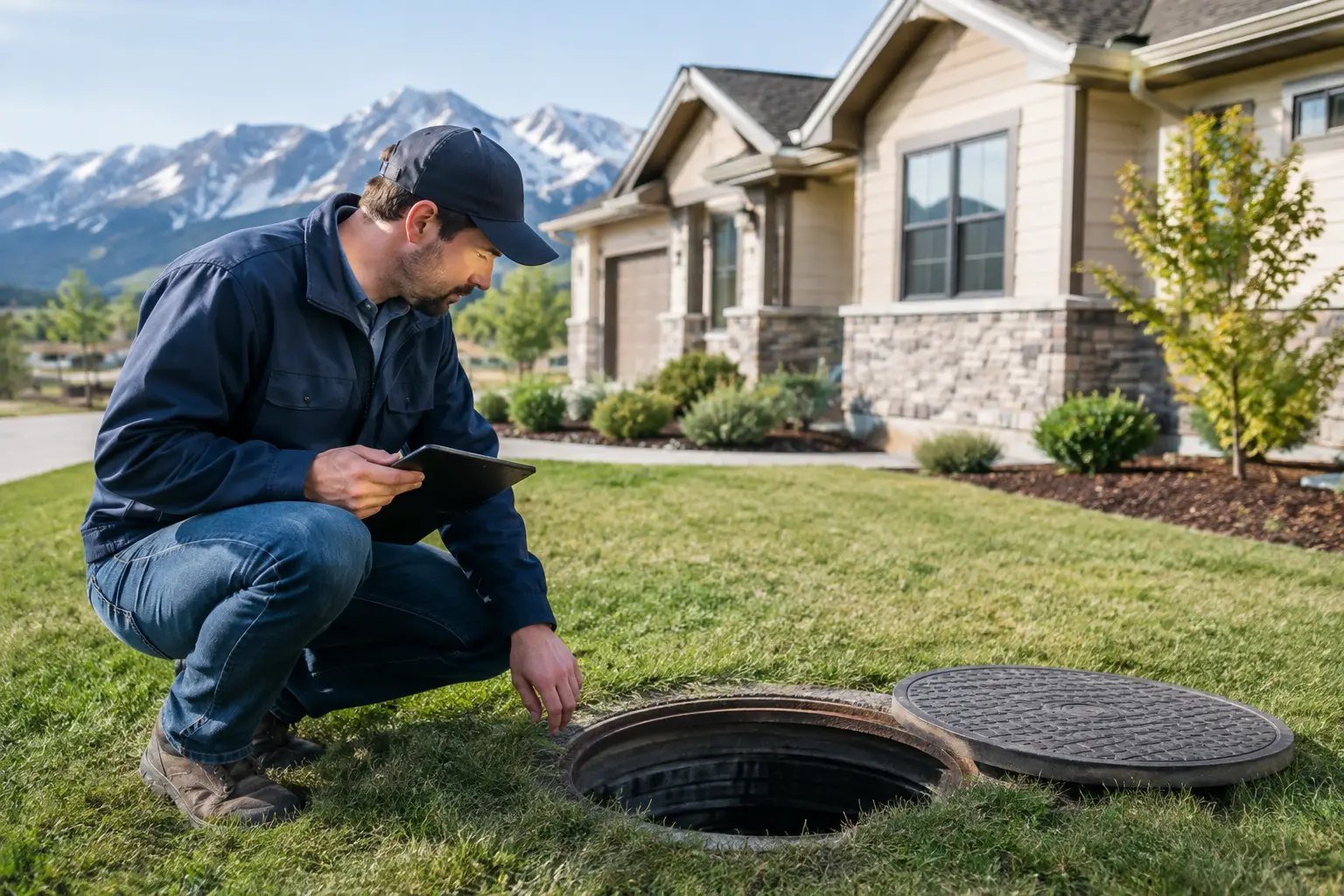
A house can look move-in ready while the sewer line underneath it is cracked, root-filled, sagging, or nearing collapse. This homebuyer sewer inspection guide explains what a sewer camera inspection can reveal before closing, how to interpret the findings, and when a repair issue should change your negotiations.
A sewer line is out of sight, but it is not a minor system. A failed private sewer lateral can lead to recurring backups, sewage exposure, damaged flooring, excavation, and an unplanned repair bill shortly after you receive the keys. For Colorado buyers, older housing stock, shifting soils, mature trees, winter conditions, and aging pipe materials can all increase the risk.
Why a General Home Inspection Is Not Enough
A standard home inspection is valuable, but it usually does not include a video examination of the underground sewer line. The inspector may run faucets, flush toilets, and look for visible drainage concerns. That can identify obvious problems inside the house, but water that drains normally during a brief walkthrough does not prove the sewer lateral is in good condition.
Many sewer defects are hidden several feet underground. Roots can enter through small joints. Cast iron can corrode internally until its walls become rough or thin. Clay tile sections can shift apart. Orangeburg pipe, a fiber-based material used in some mid-century homes, can deform or deteriorate. A line may also hold standing water because of a low section called a belly.
A dedicated sewer camera inspection places a specialized camera into an accessible cleanout or other entry point and records the condition of the line. The technician can typically identify pipe material, root intrusion, cracks, offsets, blockages, collapse, sags, and the location of the connection to the public sewer or septic system.
When to Schedule a Sewer Inspection
The best time is during your inspection contingency period, before you waive your right to investigate the property or lose leverage in the transaction. Schedule the camera scope early enough that you have time to review the video, request estimates, negotiate repairs or credits, and obtain a second opinion if the condition is unclear.
Every buyer can benefit from a scope, but it is especially prudent when purchasing an older home, a property with large established trees, or a house with a history of drain backups. It is also wise when a seller disclosure mentions past sewer work, repeated drain cleaning, a septic conversion, or an insurance claim involving water damage.
Do not assume a recent remodel means the sewer line was replaced. New kitchens, bathrooms, flooring, and landscaping can sit above an original lateral that is decades old. Conversely, a home with an older sewer line is not automatically a bad purchase. The camera findings, pipe material, depth, access, and expected remaining service life matter more than age alone.
What a Homebuyer Sewer Inspection Should Include
A useful inspection provides more than a verbal statement that the line is “clear.” Ask for recorded video and a written summary of the findings. The report should identify the observed pipe material, note defects and their approximate locations, and explain whether the camera reached the city connection or the practical end of the private line.
Location information matters because it affects repair planning. A defect under a lawn may be handled differently than one under a driveway, garage slab, mature tree, retaining wall, or historic hardscape. If the technician can locate the issue from the surface, you will have a more accurate basis for a repair estimate.
The inspection should also distinguish between an active blockage and a structural defect. A line may be clogged by roots, wipes, grease, or debris, which can sometimes be cleared and then re-scoped. A line with separated joints, major corrosion, a significant belly, or collapse requires a more complete repair discussion.
Conditions That Deserve Immediate Attention
Some findings should move quickly from inspection report to repair estimate. These include a collapsed pipe, severe offsets that catch waste, extensive root intrusion through failed joints, standing water that occupies a meaningful section of the line, and corrosion or cracking that has compromised the pipe wall.
A blockage that prevents the camera from reaching the full line also deserves follow-up. It may be a routine cleaning issue, but it could be caused by a broken or collapsed section. The answer is not to guess. Clear the line if appropriate, then re-inspect it so the actual condition is documented.
How to Read Common Sewer Camera Findings
Camera footage can be technical, and not every imperfection has the same urgency. Small root strands at a joint may indicate early intrusion that can be cleaned and monitored. Heavy roots that fill the pipe or return quickly point to an open joint or damaged section that needs correction.
Cracks vary in severity. A small surface crack in an otherwise round, stable pipe is different from a fracture that has shifted the pipe, created a gap, or allowed soil to enter. Likewise, a minor offset may still permit reliable flow, while a major offset creates a ledge that repeatedly catches paper and solids.
A belly requires careful interpretation. If water remains in a short, shallow low point but waste passes freely and the pipe is otherwise sound, the line may be serviceable for years. If the sag is substantial, holds debris, or is paired with damaged pipe, repair may be more urgent. The goal is to understand performance and risk, not to treat every camera observation as a full replacement recommendation.
Pipe material is another major clue. Modern PVC is generally durable when installed correctly. Clay and cast iron can perform for a long time, but their joints and internal condition should be evaluated closely. Orangeburg often warrants particular attention because it can flatten, blister, or delaminate as it ages.
Repair, Replacement, or a Negotiated Credit?
Once the inspection identifies a concern, obtain a repair recommendation that matches the defect. Spot repair may be appropriate for an isolated break with good pipe on both sides. Drain cleaning may be reasonable for a line that is structurally sound but obstructed by roots or buildup. When defects are widespread, replacement or trenchless rehabilitation may provide the better long-term value.
Trenchless options can substantially reduce disruption when site conditions allow. CIPP epoxy pipe lining creates a new pipe within an existing host pipe and can be effective for certain cracked, corroded, or root-damaged lines. Pipe bursting replaces a failing line by pulling a new pipe through the route while breaking apart the old one. Neither method is a universal fit. Severe collapses, access limitations, grade problems, or certain connection conditions may require excavation or a hybrid approach.
For negotiations, focus on documented condition and realistic scope rather than asking for a vague sewer allowance. Provide the video findings and a written estimate. Depending on the market and contract terms, you may request that the seller complete the work, reduce the price, provide a closing credit, or place funds in escrow. A seller-performed repair should include clear scope, permits where required, and final documentation.
Be cautious about accepting a credit that does not reflect the full project. Restoration, access constraints, permits, connection work, and difficult soil conditions can affect cost. The lowest estimate is not always the best basis for a high-consequence underground repair.
Questions to Ask Before You Remove the Inspection Contingency
Ask whether the camera reached the full length of the private line, whether the technician saw the connection point, and whether the report identifies any areas that could not be inspected. Confirm the pipe material, the location and severity of each defect, and whether cleaning is needed before the line can be fully evaluated.
You should also ask which repair methods are feasible at this specific property and what disruption each option would involve. A qualified sewer specialist should explain the trade-off between cleaning, targeted repair, trenchless restoration, trenchless replacement, and excavation without forcing every condition into one solution.
If the property uses a septic system, the inspection process is different. A sewer camera scope of the building drain may still be useful, but it does not replace a septic tank and drainfield evaluation. Make sure the inspection matches the property’s actual wastewater system.
Protect the Purchase Before It Becomes Your Problem
A sewer inspection is a relatively small step compared with the cost and disruption of discovering a failed line after closing. It gives you facts while you still have options: proceed with confidence, negotiate a fair repair plan, or reconsider a property whose underground risk does not fit your budget.
For Denver-area buyers facing questionable camera results, All Sewer and Plumbing Services can evaluate the line condition and explain practical repair paths, including minimally invasive trenchless options when they fit the site. Before you remove your contingency, make sure the sewer line has been inspected as carefully as the home above it.
FREE Estimates
How can we help you?

our services


contact our team today
Contact a service professional at All Sewer and Plumbing Services LLC today. We are here to answer all your questions.
OPEN 24 hours 7 days a week