Are Sewer Odors Dangerous Indoors? What to Do
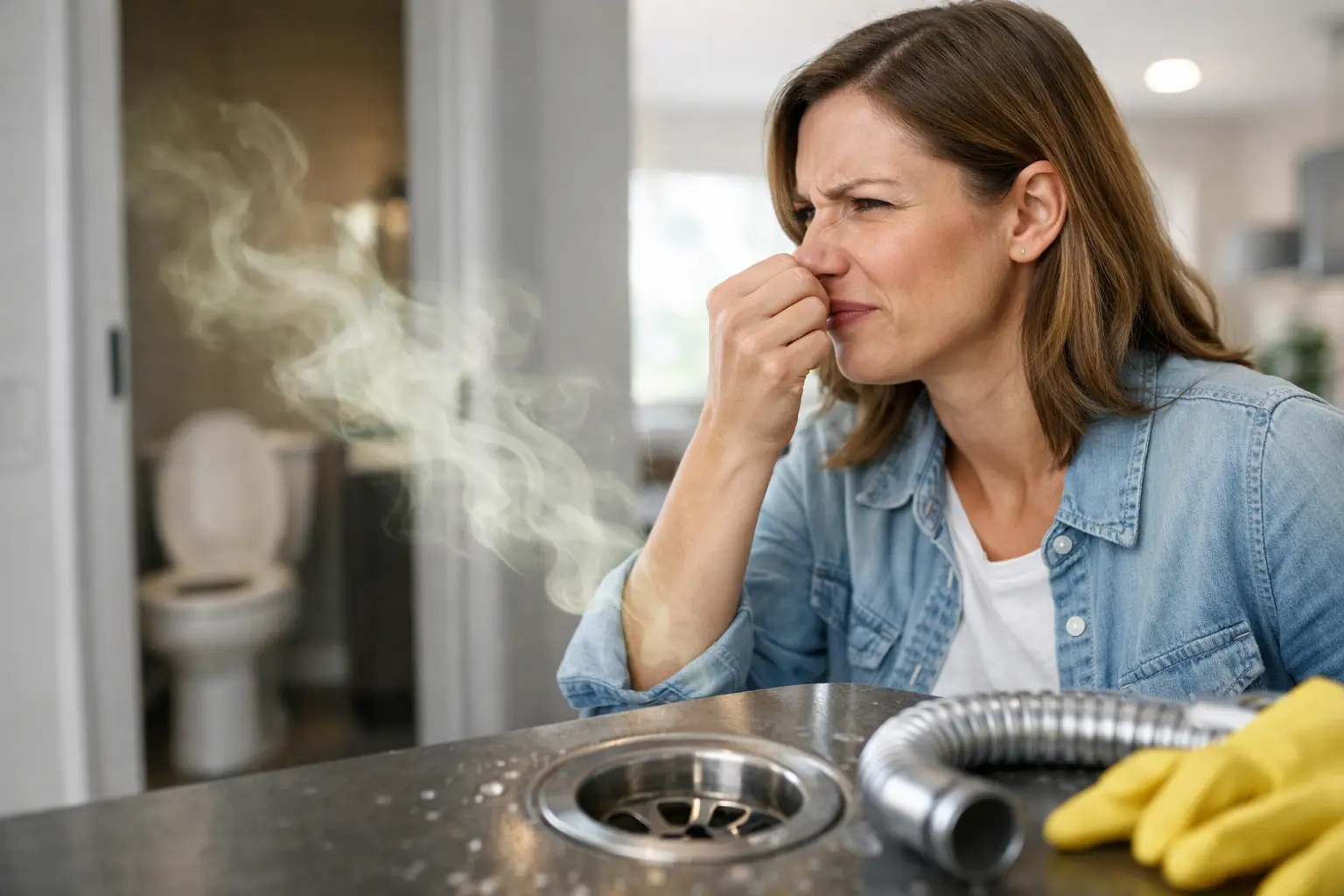
A sewer smell in a bathroom, basement, kitchen, utility room, or floor drain is not a normal part of owning or managing a building. Are sewer odors dangerous indoors? They can be, particularly when the odor is persistent, strong, accompanied by a backup, or affecting multiple areas of the property. The smell may come from a simple dry drain trap, but it can also signal a failed vent, damaged sewer pipe, or an active sewer backup that needs prompt professional attention.
Are Sewer Odors Dangerous Indoors?
Sewer odors are a warning sign, not a diagnosis. The odor commonly described as “sewer gas” can contain several gases produced as wastewater and organic material break down, including methane, hydrogen sulfide, ammonia, and carbon dioxide. The exact mix and concentration vary by the source, airflow, and condition of the sewer system.
At low levels, sewer gas often causes discomfort before it creates a serious health emergency. People may experience nausea, headaches, throat or eye irritation, dizziness, or a lingering unpleasant taste. These symptoms can overlap with many other conditions, so smell alone cannot confirm the gas level or the source.
The risk rises when odors are intense, do not go away, or appear with sewage leaks and backups. Hydrogen sulfide can be hazardous at high concentrations, while methane is flammable in confined spaces when it accumulates in sufficient quantities. A strong sewer odor should never be ignored in a home, restaurant, school, hospital, hotel, or occupied commercial facility.
If anyone feels faint, has trouble breathing, becomes confused, or develops severe symptoms, leave the affected area and seek emergency assistance. Do not remain in a basement, crawlspace, mechanical room, or other enclosed area to investigate the smell yourself.
When a Sewer Smell Calls for Immediate Action
A brief odor after a rarely used shower or floor drain may have a straightforward explanation. A persistent odor, however, deserves a faster response. Treat the issue as urgent when the smell appears with gurgling drains, slow drainage, water backing up from a shower or floor drain, wet spots near plumbing fixtures, or visible sewage.
For commercial and institutional properties, the threshold for action should be even lower. Sewer odors can disrupt operations, affect employees and visitors, create sanitation concerns, and damage confidence in the facility. Restaurants, healthcare environments, retirement communities, hotels, and schools cannot afford to wait for a minor odor problem to become a drainage failure.
You should also act quickly if the odor is strongest outdoors near the foundation, in a crawlspace, around a cleanout, or near a lower-level bathroom. These locations can point to a damaged sewer lateral, loose cleanout cap, failed connection, or crack in an underground line.
Common Causes of Sewer Odors Inside a Building
The most common cause is a dry P-trap. Every sink, shower, tub, floor drain, and similar fixture has a curved section of pipe designed to hold water. That water creates a seal between the building and the sewer system. When a fixture sits unused, the water can evaporate, allowing sewer gases to enter the room.
Pouring water into an unused drain can restore the trap seal. For a floor drain or other fixture that dries out repeatedly, a small amount of mineral oil after adding water can slow evaporation. This is a reasonable first step only when there is no backup, leak, or other drainage problem.
Other causes require more than a quick fix:
- A cracked, separated, offset, or deteriorated sewer line can allow odors to escape below or around the building.
- Root intrusion can break into older pipe joints, restrict flow, and contribute to recurring drain and odor problems.
- A blocked or damaged plumbing vent can interfere with drainage and pull water out of fixture traps.
- Failed toilet seals, loose cleanout caps, damaged drain connections, and deteriorated wax rings can leak odors into occupied spaces.
- Partial sewer blockages can create slow drains, gurgling, and pressure changes before a full backup occurs.
- A sewage ejector pit, sump system, or grease-related drainage issue may cause odors in specific building types when lids, vents, or connections are not functioning correctly.
Odor location matters. A smell isolated to one guest bathroom may point to a dry trap or toilet seal. Odors across several rooms, especially with slow drains, are more consistent with a venting issue or developing sewer line problem. That distinction is why a professional inspection is often more cost-effective than repeated temporary treatments.
What Not to Do When You Smell Sewer Gas
Do not mask the odor with candles, air fresheners, or disinfectants and assume the issue is resolved. These products may make a room more tolerable, but they do not repair a broken seal, blocked line, or damaged pipe.
Avoid pouring harsh chemical drain cleaners into the system. Chemical products can damage some piping, create hazards for anyone working on the drain later, and do little to solve root intrusion, collapsed pipe, or structural sewer defects. If the line is partially blocked, the chemicals may simply sit in the pipe.
Do not enter a crawlspace, sewer pit, manhole, or confined utility area to locate the source. Sewer gases can concentrate in enclosed spaces, and professional confined-space procedures are necessary in those conditions. If you suspect a gas odor near a furnace, water heater, or other fuel-burning equipment, leave the area and contact the appropriate emergency utility or fire service. Not every unpleasant plumbing odor is sewer gas.
How a Professional Finds the Actual Source
A reliable repair starts with identifying the cause. Guesswork can lead to unnecessary excavation, repeated drain cleaning, or repairs that address the symptom instead of the failure.
A qualified sewer specialist may begin by checking fixture traps, toilet seals, cleanouts, drainage behavior, and accessible vents. When the issue points to the sewer lateral or buried drain line, a video sewer inspection provides a direct view inside the pipe. The camera can reveal root intrusion, scale buildup, bellies, cracks, separated joints, corrosion, offsets, and collapses.
For difficult odor sources, testing may also be used to identify where gas is escaping from the drainage system. The right method depends on the building layout, pipe materials, the presence of a backup, and whether the problem is isolated or widespread.
This diagnostic step is especially valuable for Denver-area properties with aging clay, cast-iron, or Orangeburg sewer lines. Colorado’s freeze-thaw cycles, mature tree roots, shifting soil, and older infrastructure can all contribute to failures that are not visible from the surface.
Repair Options That Limit Property Disruption
Not every sewer odor requires a new sewer line. Some issues are resolved by restoring a trap seal, repairing a toilet connection, clearing a blockage, or correcting a vent problem. When video inspection confirms damaged underground pipe, the repair approach should match the condition of that line.
For pipes with cracks, root intrusion, corrosion, or failing joints but enough remaining structure, CIPP epoxy pipe lining can create a new pipe within the existing host pipe. This trenchless method often avoids removing landscaping, concrete, flooring, or other surface features along the full length of the line.
If the sewer line has collapsed, severely deteriorated, or cannot support lining, trenchless pipe bursting may be the better option. It replaces the old pipe by pulling a new pipe through the existing path, typically with limited access points rather than a continuous open trench.
All Sewer and Plumbing Services, LLC uses video diagnostics and trenchless repair methods to determine whether cleaning, lining, pipe bursting, or replacement is the most practical solution. The goal is not to sell unnecessary work. It is to stop the odor at its source while protecting the property from the cost and disruption of avoidable excavation.
Protect Occupants and Prevent a Repeat Problem
Once the source is corrected, keep rarely used drains filled with water, inspect floor drains as part of routine maintenance, and address slow drains before they become full backups. Property managers should include drain and sewer checks in preventive maintenance plans, particularly before high-occupancy periods or major events.
A sewer odor is often the first visible sign of a system that needs attention. Acting while the problem is still limited can protect indoor air, prevent wastewater damage, and give you more repair options than waiting for the next backup.
FREE Estimates
How can we help you?

our services


contact our team today
Contact a service professional at All Sewer and Plumbing Services LLC today. We are here to answer all your questions.
OPEN 24 hours 7 days a week