10 Best Signs of Sewer Failure to Act On
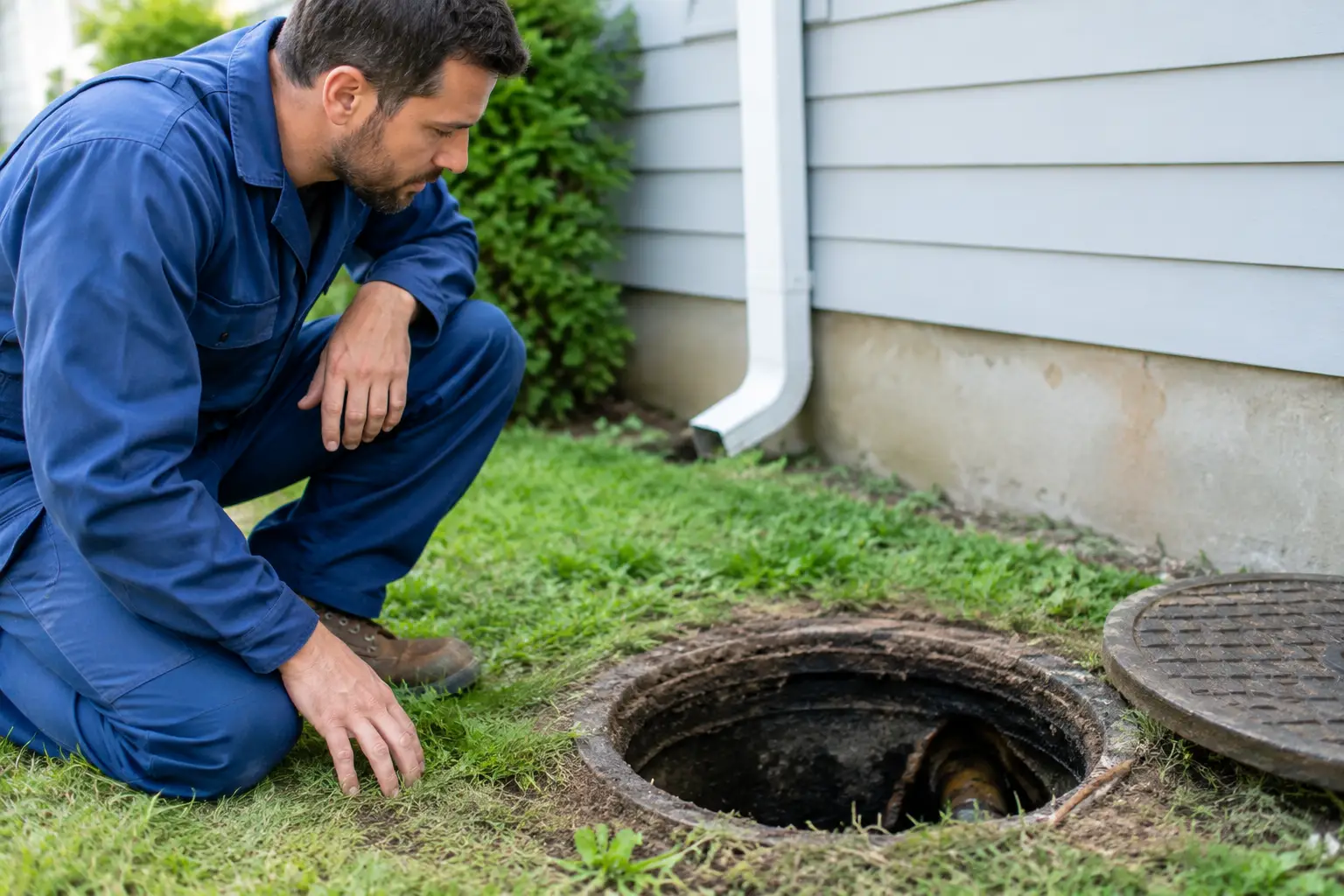
A sewer line rarely fails without warning. The problem is that early warnings can look like ordinary plumbing annoyances until wastewater backs up into a basement, restroom, kitchen, or floor drain. Knowing the best signs of sewer failure helps homeowners and facility managers act before a manageable repair becomes an emergency cleanup and property interruption.
10 Best Signs of Sewer Failure
1. Recurring drain backups
A drain that backs up once may have a local clog. A drain that backs up repeatedly after plunging, snaking, or cleaning points to a deeper restriction. When the same fixture keeps overflowing, the blockage may be in the building sewer line rather than the branch drain serving that fixture.
This is especially concerning when the issue returns shortly after a drain cleaning. Roots, broken pipe sections, heavy scale, or a collapsed line can allow water through temporarily, then catch debris again.
2. Multiple fixtures drain slowly at the same time
A slow kitchen sink can be caused by grease. A slow shower can be caused by hair and soap residue. But when toilets, tubs, showers, and sinks in different areas of the building all drain slowly, the main sewer line should be inspected.
Water from multiple fixtures must travel through the same main line on its way to the municipal sewer or septic system. If that line is obstructed, every fixture upstream can be affected. In a commercial property, this may show up as slow restrooms in several parts of the building or repeated drain calls from different tenant spaces.
3. Gurgling toilets, tubs, or floor drains
Gurgling is a pressure warning. As water tries to pass through a restricted sewer line, air may be forced back through nearby fixtures. You may hear a toilet bubble when a washing machine drains, or a shower drain gurgle after a toilet is flushed.
Occasional noise does not always mean the pipe has failed. Persistent gurgling, especially alongside slow drains or backups, warrants a professional diagnostic inspection. Waiting can allow the restriction to become a complete blockage.
4. Sewage odors indoors or outdoors
A sewer system is designed to carry wastewater and sewer gases safely away from occupied areas. A strong sewer odor in a bathroom, utility room, crawl space, basement, yard, or around a building foundation is not normal.
The source could be a dried-out drain trap, a venting issue, or a damaged sewer pipe. If the odor persists after adding water to infrequently used floor drains, or if it is strongest near the exterior sewer route, the line may have a crack, separation, or break that is releasing gases into the surrounding soil or structure.
5. Water appears around a basement floor drain
A basement floor drain is often the first place a main sewer backup becomes visible. If water or wastewater rises from that drain when you run fixtures, stop using water immediately. Continuing to flush toilets, run dishwashers, or do laundry can increase the volume of the backup.
This is an urgent situation because sewage exposure can damage flooring, walls, stored contents, and mechanical equipment. A fast sewer camera inspection can identify whether the cause is a blockage, root intrusion, pipe damage, or an issue farther downstream.
6. Wet, soft, or unusually green areas in the yard
A leaking underground sewer line can saturate soil along its path. You may notice a patch of lawn that stays damp when the rest of the yard is dry, smells unpleasant, or grows thicker and greener than surrounding grass.
Colorado weather can complicate this clue. Snowmelt, irrigation problems, and drainage patterns can also create wet areas. The difference is persistence. If a soft spot keeps returning and coincides with slow drains, odors, or backups, it should be investigated before the ground settles or surface damage expands.
7. Sinkholes, depressions, or cracks above the sewer route
When a damaged sewer line leaks over time, escaping water can wash away supporting soil. That may create a low spot in a lawn, patio, driveway, parking area, or walkway. Cracks in hardscape do not always originate with a sewer problem, but they should not be ignored when they appear near the known sewer route.
For commercial and municipal properties, settlement near traffic areas is more than a plumbing concern. It can become a safety and operational issue. A targeted video inspection helps confirm pipe conditions without opening up an entire site to search for the problem.
8. Tree roots keep causing clogs
Roots are drawn to the moisture and nutrients around sewer pipes. They can enter through old joints, cracks, and separations, then expand inside the line. A cable machine may clear roots temporarily, but it does not repair the opening that allowed roots in.
Recurring root intrusion is a strong sign that the pipe needs more than routine cleaning. Depending on pipe condition, trenchless epoxy lining can seal the damaged interior, while pipe bursting may be the better option for a line that is badly deteriorated, undersized, or structurally compromised.
9. An older sewer line has frequent service calls
Age alone does not prove a sewer line has failed, but material and installation era matter. Older clay, cast-iron, Orangeburg, and poorly connected pipe systems are more vulnerable to cracking, corrosion, deformation, offset joints, and root intrusion.
If a property has needed repeated drain cleaning over the past few years, it is time to move beyond guesswork. Cleaning restores flow. A video sewer inspection shows why flow keeps being lost and whether a repair can provide a longer-term solution.
10. Backups follow heavy water use
A failing sewer line may seem adequate during light use, then back up when several fixtures discharge at once. A laundry cycle, multiple toilet flushes, a commercial kitchen rush, or a busy hotel morning can overwhelm a partially blocked pipe.
This pattern suggests the line has lost carrying capacity. The restriction may be caused by grease buildup, roots, scale, bellies in the pipe, or a damaged section. The more often capacity is exceeded, the greater the risk of a full backup during normal operations.
When a Sewer Problem Is an Emergency
Not every slow drain requires same-day sewer replacement. A single clogged fixture with no other symptoms can often be addressed as a local drain issue. The situation changes when sewage is entering the building, multiple fixtures are affected, or wastewater is rising through a low drain.
Stop using water when a main-line backup is suspected. Do not attempt repeated flushing, run a washing machine, or pour chemical drain cleaners into the system. Chemical products rarely solve a structural sewer problem and can create hazards for anyone working on the line afterward.
For restaurants, healthcare facilities, schools, hotels, and multi-unit properties, fast action also protects operations. A sewer backup can affect sanitation requirements, tenant access, customer experience, and the ability to keep a facility open.
Why Camera Inspection Comes Before Major Repairs
The visible symptom does not reveal the full condition of an underground pipe. A sewer camera inspection allows a technician to locate the obstruction, assess pipe material, identify root intrusion or breaks, and determine whether the line has enough structural integrity for rehabilitation.
This step matters because the right solution depends on the failure. Heavy roots in an otherwise sound pipe may call for cleaning followed by lining. A severely crushed, collapsed, or improperly graded line may require replacement. A camera inspection prevents spending money on a temporary fix when the line has a larger defect.
It also supports more accurate planning. Property owners and facilities teams can understand the affected area before work begins instead of authorizing broad excavation based on assumptions.
Repairing a Failed Sewer Line With Less Disruption
Traditional excavation remains necessary in some situations, particularly when a pipe has major collapse, poor slope, or inaccessible damage that cannot be rehabilitated. However, digging up an entire yard, driveway, landscaped area, or customer-facing entrance is not always the best option.
Trenchless methods can often reduce the disruption. CIPP epoxy pipe lining creates a new pipe inside the existing host pipe, sealing cracks, joints, and root entry points. Pipe bursting replaces the old line by pulling a new pipe through the existing path while breaking apart the failed pipe.
The best method depends on pipe condition, access points, utility conflicts, depth, local requirements, and the goals for the property. For a homeowner, preserving a mature landscape may be the priority. For a hospital or restaurant, reducing downtime and protecting access may matter most. A qualified sewer specialist should explain the trade-offs clearly before work starts.
Take the Warning Seriously Before Damage Spreads
Sewer failures do not improve on their own. The sooner a recurring backup, odor, or drainage problem is diagnosed, the more options you are likely to have for controlling cost and limiting disruption. All Sewer and Plumbing Services, LLC uses video diagnostics and trenchless repair methods to help Colorado property owners address the actual condition of the line, not just the latest symptom.
If your drains are sending repeated warnings, treat them as a reason to inspect the system while you still have time to choose the repair approach that best protects your property.
FREE Estimates
How can we help you?

our services


contact our team today
Contact a service professional at All Sewer and Plumbing Services LLC today. We are here to answer all your questions.
OPEN 24 hours 7 days a week