How Trenchless Sewer Repair Works: A Step-by-Step Guide
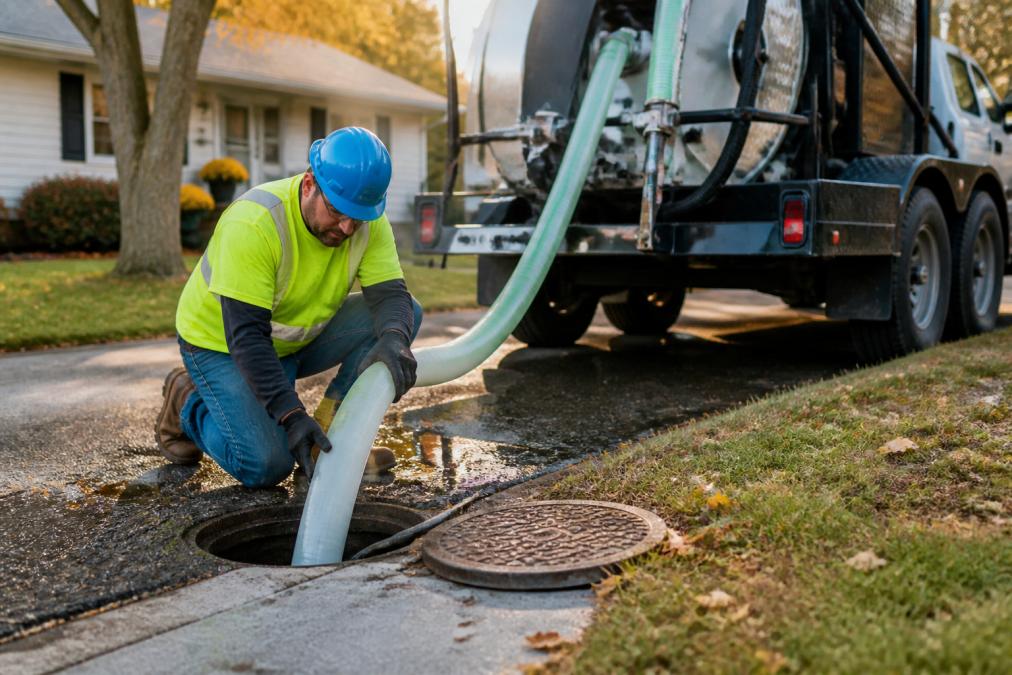
Table of Contents
- What Is Trenchless Sewer Repair and How Does It Work?
- Step 1: Sewer Camera Inspection and Diagnosis
- Step 2: Understanding CIPP Pipe Lining Process
- Step 3: Pipe Bursting, The Alternative Method
- How Long Does Trenchless Sewer Repair Take?
- Trenchless Sewer Repair Cost Factors and Pricing
- Pros and Cons of Trenchless Sewer Repair
- Conclusion
Last Updated: August 26, 2026
What Is Trenchless Sewer Repair and How Does It Work?
Trenchless sewer repair is a method of fixing or replacing damaged sewer lines with minimal excavation, using advanced technologies like cured-in-place pipe (CIPP) lining or pipe bursting instead of digging up your yard or street. Technicians access the damaged pipe from existing cleanouts or small access pits and rehabilitate it from the inside out, avoiding the cost, timeline, and collateral damage of traditional excavation.
At All Sewer and Plumbing Services, LLC, we’ve spent over two decades perfecting trenchless methods because homeowners, businesses, and municipalities all benefit from the same core advantage: structural integrity restored without destroying landscaping, driveways, or hardscaping. A camera inspection identifies the exact damage, the appropriate technology is selected based on the pipe’s condition and diameter, and the repair is executed with minimal surface disruption from a single access point.
Trenchless technology is essential now because aging infrastructure, particularly clay pipes, cast iron, or corroded PVC, requires urgent attention. Digging up a century-old sewer line under a historic home or busy commercial property isn’t practical. Trenchless methods make these repairs feasible without relocating businesses, displacing residents, or spending months on restoration.
Step 1: Sewer Camera Inspection and Diagnosis
The first step in any trenchless sewer repair is a thorough video inspection using a specialized sewer camera. This waterproof device is attached to a flexible cable and fed into the sewer line through an existing cleanout or access pit. As it travels through the pipe, it transmits real-time video to a monitor above ground, allowing technicians to see exactly what’s happening inside.
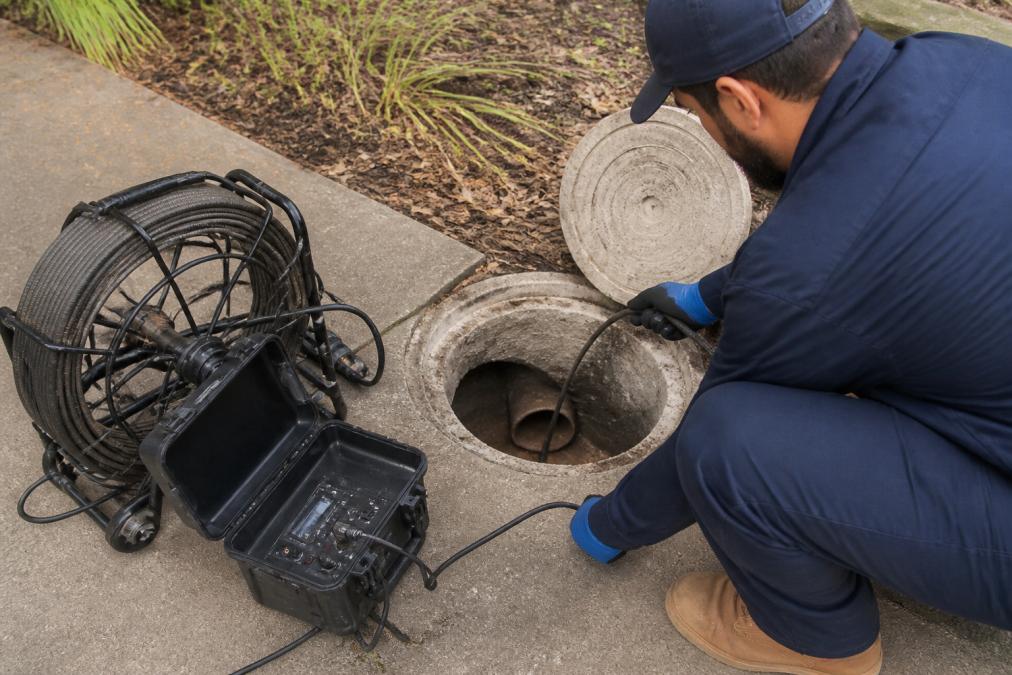
Technicians identify root intrusion, cracks and fractures, pipe collapse, offset joints, and sediment buildup. The camera measures pipe diameter and pinpoints the exact location and extent of each problem, determining whether CIPP pipe lining or pipe bursting is the right solution. Without a camera inspection, you’re guessing, and may pay for a repair that won’t fix the problem or discover mid-repair that damage is worse than expected.
The inspection also identifies whether the pipe is a sewer lateral (from your house to the municipal main) or part of the main line itself, which matters for permitting and determines which repair method is feasible.
Step 2: Understanding CIPP Pipe Lining Process
CIPP (cured-in-place pipe) lining is the most common trenchless sewer repair method. A resin-saturated felt liner is inserted into the damaged pipe from an access point upstream and positioned to contact all interior surfaces. The liner is then heated with hot water or steam, or saturated with UV light, which cures the resin and hardens it into a new pipe inside the old one.
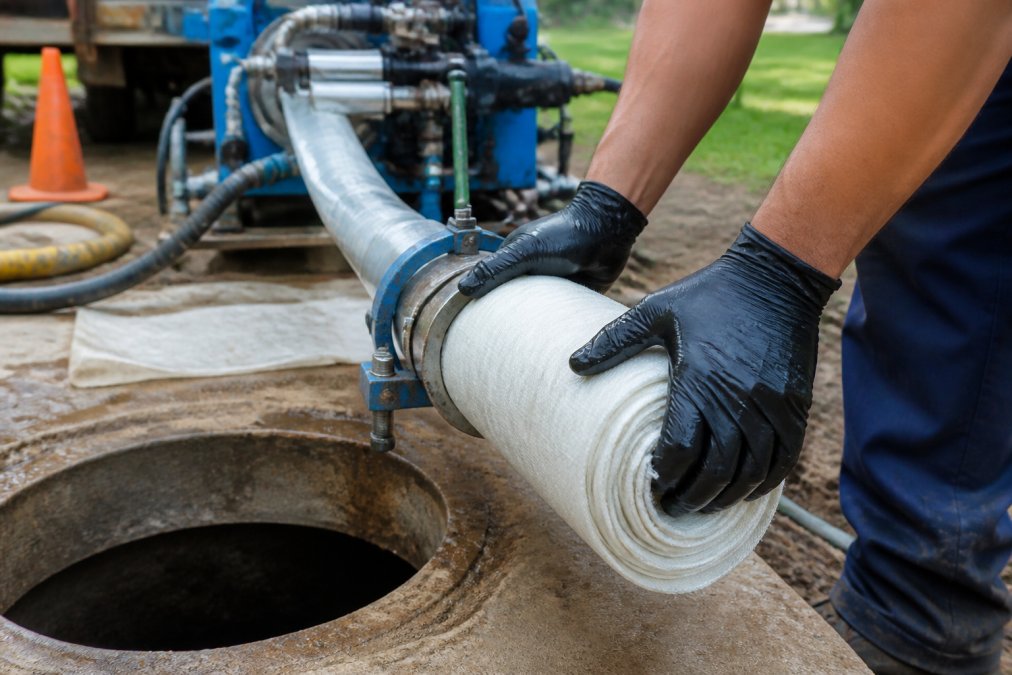
The result is a structurally sound, jointless new pipe typically 6-10 millimeters thick, bonded to the interior of the old one (peer-reviewed research). This seals cracks, bridges fractures, and prevents root intrusion. The process works on pipes ranging from 2 inches to over 48 inches in diameter, though most residential applications are 4-6 inches.
CIPP lining works best when the pipe still has structural integrity. If the pipe is severely collapsed or offset, the liner may not achieve proper contact with pipe walls, and the repair won’t be effective. This is why the camera inspection is critical.
The resin used, typically epoxy or polyester, is designed to last 50+ years under normal conditions. For residential and most commercial applications, CIPP lining provides a genuine long-term solution.
Step 3: Pipe Bursting, The Alternative Method
Pipe bursting is used when the existing pipe is too damaged for CIPP lining. Instead of lining the old pipe, a specialized machine called a pipe bursting head is pulled through the old pipe using a cable or hydraulic pressure. As it moves forward, the bursting head fractures the old pipe radially, pushing fragments into surrounding soil. Simultaneously, new HDPE (high-density polyethylene) pipe is pulled in behind the bursting head, filling the space left by the destroyed old pipe. The new pipe is typically 10-25% larger in diameter, which improves flow capacity (asce.org).
Pipe bursting works on collapsed pipes, severely offset sections, or pipes made of materials like clay or cast iron that have lost structural integrity. It’s particularly effective for sewer laterals because the entire replacement happens in one pull from a single location.
While still far less invasive than full excavation, pipe bursting requires more ground disturbance than CIPP lining. In areas with shallow utilities, this can be a complication. A utility locate service before work begins helps identify conflicts.
How Long Does Trenchless Sewer Repair Take?
Most trenchless sewer repair jobs complete in 1-3 days. A typical CIPP lining project on a 50-foot sewer lateral takes 4-8 hours of active work, plus overnight curing. Pipe bursting on the same length typically takes 6-10 hours.
Traditional excavation on a similar job would take 5-10 days minimum, plus 2-4 weeks for landscape restoration. For commercial properties, this speed difference is transformative. A business that can remain operational during a one-day trenchless repair versus a week-long excavation project gains significant competitive advantage. Tenants stay put, customers can access the property, and operations continue with minimal interruption.
Municipalities also benefit from this speed. A city rehabilitating a half-mile of aging sewer main can complete the work in days or weeks using trenchless technology, versus months of street closures and traffic disruption.
Trenchless Sewer Repair Cost Factors and Pricing
Pipe length is the primary cost driver, with longer pipes requiring more materials and labor. Pipe diameter, type and severity of damage, and access conditions all affect pricing. A pipe with minor cracks and root intrusion costs less than one with complete collapse or multiple offset sections. If technicians must excavate a small access pit or navigate around obstacles, costs increase.
Soil type influences the choice between CIPP lining and pipe bursting. CIPP lining is generally less expensive when viable because it requires less equipment and labor. Pipe bursting costs more because it involves larger machinery and new pipe material, but it’s necessary for severely damaged pipes.
All Sewer and Plumbing Services, LLC provides free estimates after a camera inspection, assessing your sewer line’s specific conditions and recommending the most cost-effective approach.
Pros and Cons of Trenchless Sewer Repair
Pros:
Minimal surface disruption is the defining advantage. Your landscaping, driveway, and hardscaping remain intact, saving thousands in restoration costs compared to traditional excavation.
Speed is substantial. Most projects complete in 1-3 days versus weeks for excavation. For homeowners, this means less stress and faster restoration of normal plumbing. For businesses, it means minimal operational disruption.
Structural integrity is restored permanently. CIPP lining creates a new pipe inside the old one, and pipe bursting replaces the old pipe entirely with new HDPE. Both address the root cause of failure, not just symptoms, fundamentally different from temporary fixes like hydro-jetting or snaking.
Lower long-term costs emerge from no landscaping restoration, faster completion, and permanent repairs.
Cons:
Upfront cost is higher than temporary solutions like snaking or hydro-jetting, which don’t fix structural damage.
Soil conditions can limit options. In areas with unstable soil, shallow utilities, or extremely dense clay, pipe bursting may not be feasible.
Not all pipes qualify. Completely collapsed pipes, severely offset sections, or certain material combinations may not be viable for trenchless methods. A camera inspection determines this definitively.
Permitting requirements vary by municipality. Some jurisdictions have specific rules about which trenchless technologies can be used on laterals versus mains. All Sewer and Plumbing Services, LLC handles permitting coordination.
If you’ve had the same sewer problem fixed three times in five years using snaking or hydro-jetting, trenchless repair is likely the right move. Recurring blockages usually signal structural damage that temporary methods can’t address. A camera inspection will confirm whether that’s the case.
Frequently Asked Questions
Is trenchless sewer repair effective, or is it just a temporary fix?
Trenchless sewer repair is a long-term solution, not a Band-Aid. CIPP pipe lining creates a structural barrier inside the existing pipe that prevents root intrusion, cracks, and leaks. When properly installed, this epoxy-coated liner restores the pipe to near-new condition. Pipe bursting completely replaces the damaged line with new HDPE pipe. Both methods address the root cause, not just the symptom. The durability depends on proper diagnosis and installation, which is why a thorough sewer camera inspection before repair is critical.
How long does trenchless sewer repair last?
CIPP pipe lining typically lasts 50+ years when installed correctly. Pipe bursting with new HDPE pipe offers similar longevity. The actual lifespan depends on soil conditions, water chemistry, and post-repair maintenance. Regular sewer line maintenance, such as avoiding flushing non-degradable items and scheduling hydro-jetting every 3-5 years, extends the life of your repair. Unlike repeated snaking, which only clears blockages temporarily, trenchless repair eliminates the underlying structural damage.
Does trenchless sewer repair require a permit?
Yes, most jurisdictions require a permit for trenchless sewer repair, especially for sewer laterals (the pipe connecting your property to the municipal main). Permit requirements vary by location and depend on whether you're repairing a residential lateral, commercial system, or municipal infrastructure. Your contractor should handle permit applications and ensure the work meets local codes. This protects you legally and ensures the repair meets structural integrity standards set by your municipality.
What's the difference between CIPP lining and pipe bursting for trenchless sewer repair?
CIPP (cured-in-place pipe) lining inserts a resin-coated liner into the existing damaged pipe, creating a new pipe inside the old one. It works best for cracks, root intrusion, and minor collapses. Pipe bursting fractures the old pipe and pulls a new HDPE pipe through the same space in one pass. Pipe bursting is ideal for severely damaged or collapsed pipes and actually increases pipe diameter in some cases. Both are minimally invasive trenchless methods, but your sewer camera inspection determines which is best for your specific damage.
This article was written using GrandRanker
FREE Estimates
How can we help you?

our services


contact our team today
Contact a service professional at All Sewer and Plumbing Services LLC today. We are here to answer all your questions.
OPEN 24 hours 7 days a week