Sewer Backup Response Steps That Limit Damage
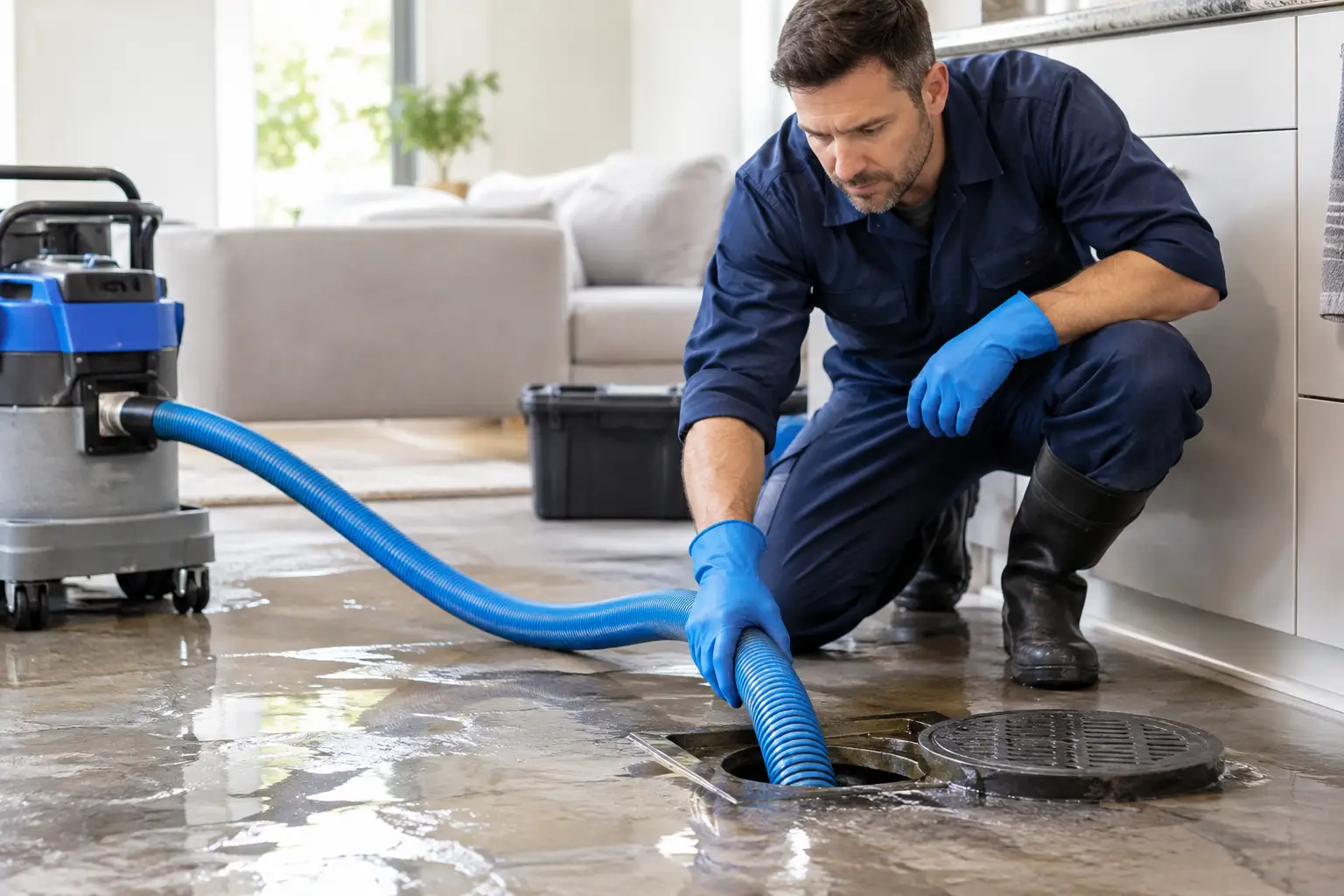
A sewer backup is not a problem to watch for a few hours and hope disappears. When wastewater comes up through a floor drain, toilet, shower, or sink, every minute can increase property damage, contaminate finished spaces, and interrupt normal operations. The right first steps protect people and property while a qualified sewer professional identifies the cause.
For homeowners, the warning may be a basement drain bubbling when a toilet flushes. For a restaurant, school, hospital, hotel, or commercial facility, it may be several slow fixtures followed by a sudden backup in a low-level restroom or utility area. In either case, the goal is the same: stop adding water to the system, contain the affected area, and get a clear diagnosis before approving a repair.
What to Do Immediately During a Sewer Backup
First, stop using water throughout the building. Do not flush toilets, run sinks, start the dishwasher, take showers, or operate washing machines. If the main sewer line is restricted or broken, every gallon sent down a drain can return through the lowest available fixture.
Keep people and pets away from standing wastewater. A sewer overflow may contain bacteria, viruses, and other contaminants. Avoid touching the water without appropriate protective equipment, and do not use household towels or a standard shop vacuum to clean it up. Porous materials such as carpet, drywall, insulation, and unfinished wood may require professional remediation depending on the extent and category of water involved.
If a toilet is actively overflowing, turn off its water supply valve if it is safe to reach. If water is entering the building from an exterior cleanout or another obvious point, document the condition with photos from a safe distance. Those images can help with insurance documentation and give the repair team useful information about the failure.
Then contact a sewer specialist for an urgent inspection. A backup is a symptom, not a diagnosis. Clearing a drain may restore flow temporarily, but it does not necessarily address roots, pipe collapse, separated joints, scale buildup, offset pipe sections, or a damaged sewer lateral.
How to Tell Whether the Main Sewer Line Is Involved
One clogged sink or toilet can be a localized fixture issue. A main sewer problem usually affects more than one drain. Common signs include toilets that gurgle when nearby fixtures drain, water rising in a shower or tub after flushing, repeated clogs in different rooms, and wastewater appearing at a basement floor drain.
The lowest drains usually show the first and worst symptoms because gravity directs wastewater to the lowest open point. This is why basement bathrooms, laundry rooms, utility drains, and lower-level commercial restrooms often become the visible location of a larger sewer line issue.
It also matters whether neighboring properties are experiencing similar trouble. If several nearby buildings have backups, the issue could involve a public sewer main. If the problem is isolated to one property, the private lateral between the building and the municipal connection is more likely to be responsible. A professional inspection can help establish where the blockage or failure is located, while the local utility can advise on public-main concerns.
Why Sewer Backups Happen
Sewer lines fail for different reasons, and the correct repair depends on the condition of the pipe, not simply the age of the building. Tree roots are one of the most common causes in older neighborhoods. Roots enter through tiny gaps at joints or cracks, then expand as they seek moisture and nutrients inside the line. A drain cable can cut through roots and restore flow, but it may not stop them from returning if the pipe remains compromised.
Aging clay, cast iron, Orangeburg, and deteriorated plastic piping can also crack, corrode, blister, sag, or separate. Ground movement, heavy vehicle loads, poor original installation, and shifting soils can create offsets or bellies that catch debris. In commercial settings, grease accumulation, wipes, hygiene products, food solids, and excessive paper products can produce recurring blockages even when the pipe itself is structurally sound.
There is a practical distinction between a blockage and a broken line. A blockage may be resolved with professional drain cleaning. A line with major root intrusion, cracks, collapse, or repeated failures usually needs rehabilitation or replacement. Treating a structural problem as a routine clog often leads to another emergency at the worst possible time.
Video Inspection Provides the Answers
Before recommending major sewer work, an experienced contractor should inspect the line with a sewer camera whenever conditions allow. The camera travels through the pipe and provides a real-time view of roots, obstructions, corrosion, separated joints, bellies, and damaged sections. It also helps locate the issue accurately and determine whether the line can be restored from within or needs replacement.
This diagnostic step protects the property owner from guesswork. It can distinguish a grease blockage from a collapsed pipe, reveal whether damage is isolated or widespread, and show whether prior repairs are holding. For property managers and facilities leaders, a recorded inspection also creates a useful maintenance reference for budgeting and future planning.
A camera inspection does have limits. Heavy standing water, dense debris, or a complete collapse can prevent the camera from reaching the full length of the line until the system is cleared. That does not make inspection unnecessary. It tells the repair team that access, cleaning, and careful evaluation are part of the work required to reach a reliable solution.
When Trenchless Sewer Repair Is the Better Option
Traditional excavation can require removing landscaping, concrete, parking areas, sidewalks, flooring, or other surface features to reach a buried sewer line. In the right conditions, trenchless methods reduce that disruption substantially.
CIPP epoxy pipe lining creates a new, jointless pipe within the existing host pipe. After cleaning and preparing the line, a resin-saturated liner is installed and cured in place. The result is a durable interior pipe that can seal cracks, bridge failed joints, and block root entry without digging up the full sewer route. It is often an excellent option for lines beneath mature landscaping, finished basements, driveways, historic structures, and active facilities.
Pipe bursting is a trenchless replacement method used when the existing line is too damaged for lining or when a new pipe size is needed. A bursting head breaks apart the old pipe while pulling a new pipe into place. Small access points are still required, so trenchless does not mean no digging. It means avoiding a long, destructive trench across the property.
Neither method is automatically the best answer. Lining requires a pipe path that can be properly cleaned and prepared, and severe collapse or major misalignment may rule it out. Pipe bursting can be more suitable for extensively failed lines, but site access, utility conflicts, depth, and pipe route all matter. A qualified recommendation should explain the condition of the existing line, the available repair options, and the expected impact on the property.
Preventing the Next Backup
After the immediate issue is resolved, prevention should be based on what caused it. Buildings with root-prone or aging lines may benefit from scheduled camera inspections and professional cleaning before recurring blockages become emergencies. Restaurants and food-service operations need consistent grease-management practices. Facilities with high public use should review what is being flushed and make sure restroom waste receptacles are available and maintained.
A backwater valve may also be worth discussing for properties vulnerable to sewage flowing back from an overloaded public system. It is not a cure for a damaged private sewer lateral, and it must be selected and maintained correctly, but it can add protection in the right situation.
Do not rely on chemical drain cleaners as a long-term response. These products rarely solve roots or structural pipe damage, can be hazardous around standing wastewater, and may create additional risk for anyone working on the line afterward. Repeated do-it-yourself snaking has similar limits when a line is cracked, offset, or collapsing.
A sewer emergency demands fast action, but it also deserves a repair plan built on evidence. All Sewer and Plumbing Services, LLC uses video diagnostics and trenchless repair methods to help Denver-area property owners and facilities restore service while protecting the surfaces and operations they depend on. When backup symptoms appear, stop using water and arrange a professional evaluation before a manageable warning becomes a larger cleanup and repair project.
FREE Estimates
How can we help you?

our services


contact our team today
Contact a service professional at All Sewer and Plumbing Services LLC today. We are here to answer all your questions.
OPEN 24 hours 7 days a week