How to Inspect Aging Pipelines Before Failure
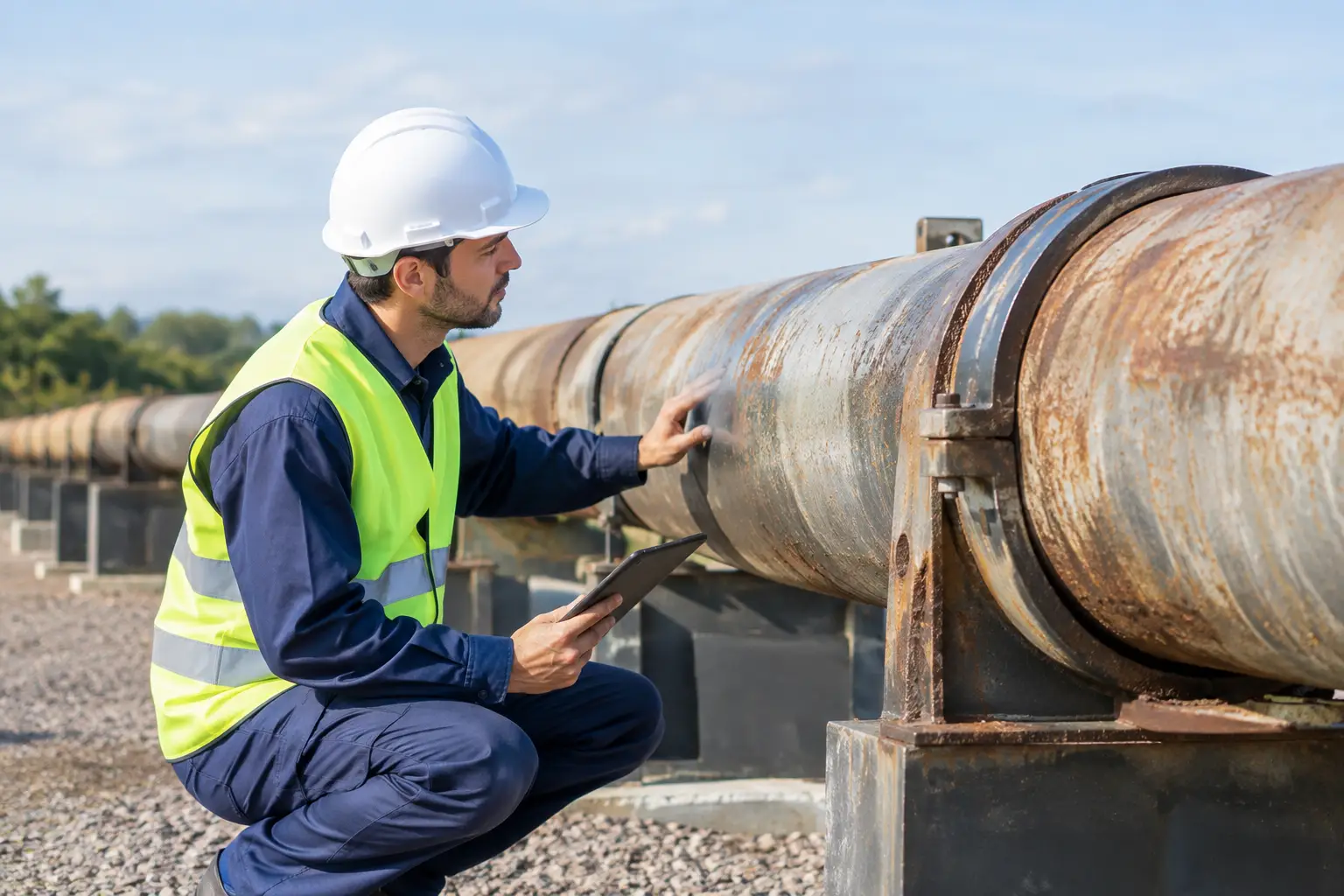
A sewer line rarely fails without leaving evidence first. Slow drains that keep returning, a damp strip of lawn, sewer odor near a building, or a sudden increase in maintenance calls can all point to a pipe that is nearing the end of its service life. The right time to inspect aging pipelines is before a backup closes a restaurant, damages a finished basement, or forces an emergency excavation across a parking lot.
For Denver-area properties, age is only part of the equation. Freeze-thaw cycles, shifting soils, mature tree roots, older pipe materials, heavy commercial use, and past repairs can all shorten a sewer line’s useful life. A professional diagnostic inspection establishes what is actually happening underground, so owners and facility teams can plan the most effective repair instead of guessing.
When Aging Pipes Need Professional Attention
Older homes and buildings often have clay, cast iron, Orangeburg, galvanized steel, or early plastic piping. Each material fails differently. Clay pipe sections can separate or crack at joints. Cast iron can scale, corrode, and develop openings along the bottom of the pipe. Orangeburg can deform or collapse as its compressed fiber material breaks down. Even newer pipe can be damaged by roots, poor installation, settlement, or vehicle loads above ground.
Age alone does not automatically mean replacement is required. A 60-year-old line that remains round, properly graded, and structurally sound may need cleaning and routine monitoring. A much newer line with a belly, severe root intrusion, or a fractured connection may require immediate work. The condition, location, depth, and consequences of a failure matter more than the installation date alone.
Homeowners should schedule an inspection when clogs recur in multiple fixtures, drains gurgle, toilets bubble, sewage backs up, or unexplained wet areas develop outside. Property managers and facilities leaders should also look at operational signals: repeated drain-cleaning invoices, customer complaints, odor events, grease-related blockages, and maintenance records that show the same branch or main line failing again.
How Professionals Inspect Aging Pipelines
The most useful starting point is a sewer camera inspection. A trained technician accesses the line through an existing cleanout or another appropriate entry point and guides a high-resolution camera through the pipe. The live video shows the interior condition of the line and helps locate defects without digging up the property.
A proper inspection is more than sending a camera down a drain. The technician evaluates the pipe material, diameter, flow direction, joint condition, internal corrosion, root intrusion, offsets, cracks, standing water, and any signs of collapse. Location equipment can mark the depth and position of a defect from the surface. This matters when comparing trenchless repair with a targeted excavation or planning access around landscaping, sidewalks, foundations, kitchens, and parking areas.
What a Camera Can Reveal
Camera footage can identify several problems that are often invisible from above ground:
- Root intrusion entering through joints, cracks, or failed connections
- Scale buildup and corrosion narrowing cast iron pipe interiors
- Separated, offset, or open joints caused by soil movement
- Cracks, holes, fractures, and deteriorated pipe walls
- Bellies or sags that hold water and waste instead of maintaining flow
- Deformed, crushed, or collapsed sections that restrict the line
- Improper connections, construction debris, or grease buildup
The video also separates a blockage from a structural defect. This distinction protects the owner from paying for repeated drain cleaning when the real issue is a failing pipe. Conversely, it prevents unnecessary replacement when professional cleaning can restore a serviceable line.
Cleaning May Come Before Inspection
If heavy roots, grease, sludge, or debris block the camera path, hydro jetting or mechanical cleaning may be needed first. Cleaning is not a substitute for inspection. It gives the camera a clear view of the pipe wall so the condition can be assessed accurately.
This is particularly important in restaurants, hotels, schools, retirement communities, and high-use commercial facilities. A line may flow after cleaning but still contain corrosion, broken joints, or a developing belly that will cause another shutdown. The inspection determines whether cleaning is a maintenance measure or only a short-term response.
Turning Inspection Results Into the Right Repair Plan
Once the pipeline condition is documented, the next question is not simply, “Can it be repaired?” The better question is, “Which repair delivers a dependable result with the least disruption?” The answer depends on the defect type, pipe access, grade, diameter changes, and whether the line has lost structural integrity.
For pipes with cracks, leaking joints, corrosion, and moderate root intrusion, cured-in-place pipe lining can often restore the existing line from within. The process installs an epoxy-saturated liner inside the damaged pipe, creating a continuous new pipe wall after curing. This approach can seal many defects while avoiding extensive excavation through yards, floors, landscaping, or finished public areas.
Pipe lining is not the answer for every situation. A fully collapsed line, severe backfall, or pipe that cannot be adequately cleaned and prepared may be a better candidate for trenchless pipe bursting or conventional replacement. Pipe bursting breaks apart the old line while pulling a new pipe into place, often through small access points rather than an open trench across the entire property.
For isolated defects near a connection or where access is straightforward, a targeted excavation may be the most economical solution. A reputable contractor should explain that trade-off clearly. Trenchless methods can reduce restoration costs and operating disruption, but the best method is the one that corrects the actual problem and fits the site.
Inspection Planning for Homes and Facilities
A homeowner may need an inspection after the first serious warning sign. For a commercial or institutional property, a planned inspection program is usually more cost-effective than waiting for failure. Facilities with kitchens, public restrooms, long service laterals, mature landscaping, or older underground infrastructure carry higher risk because a sewer interruption can quickly affect occupants, customers, and operations.
Start by reviewing available building records, past sewer repair invoices, drain-cleaning history, and reports of recurring trouble. Then prioritize lines with repeated blockages, known root exposure, old cast iron or clay pipe, or high consequences of failure. Restaurants may prioritize grease-bearing lines and main sewer connections. Hospitals and schools may prioritize lines serving high-occupancy areas where closures create immediate operational pressure. Municipal and industrial sites may need a broader condition assessment across multiple segments.
After the inspection, retain the video and written findings. These records create a baseline for future comparisons and support capital planning. They can also help a property owner make an informed decision during a sale, renovation, tenant improvement, or landscaping project.
Why Early Inspection Protects More Than the Pipe
The cost of a sewer issue is rarely limited to the pipe itself. Excavation can affect driveways, trees, patios, flooring, walls, and customer access. A backup can damage contents, interrupt operations, create sanitation concerns, and put staff into emergency-response mode. Finding defects early gives decision-makers time to compare options, schedule work during lower-impact hours, and protect the property around the line.
All Sewer and Plumbing Services uses diagnostic video inspection to identify sewer problems precisely and recommend repair methods based on field conditions. That practical approach matters because no two aging pipelines fail in exactly the same way.
If a drain problem has become a pattern, treat it as a warning rather than an inconvenience. A clear camera inspection now can turn an uncertain underground risk into a repair plan that protects your property, budget, and daily operations.
FREE Estimates
How can we help you?

our services


contact our team today
Contact a service professional at All Sewer and Plumbing Services LLC today. We are here to answer all your questions.
OPEN 24 hours 7 days a week