When to Replace a Sewer Line and What to Expect
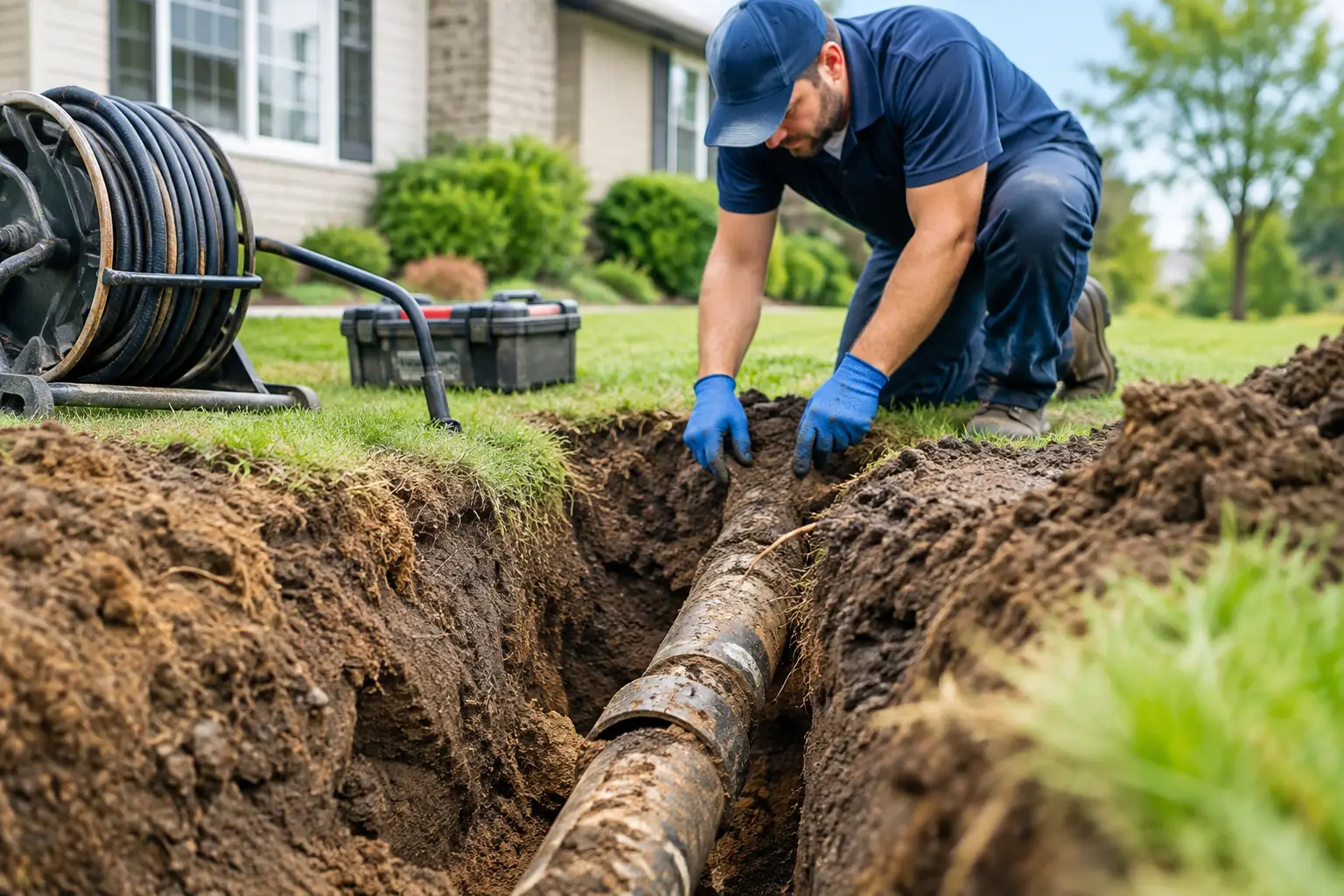
A sewer line rarely fails at a convenient time. One day, drains may seem a little slow. The next, wastewater is backing up into a basement, restroom, kitchen, or floor drain. Knowing when to replace a sewer line helps property owners and facility managers act before a recurring plumbing issue becomes a sanitation problem, a closure, or an expensive excavation project.
The right answer depends on what is happening inside the pipe. A professional video sewer inspection can identify whether the line has a localized defect that can be repaired or rehabilitated, or whether the pipe has reached the point where replacement is the more dependable investment.
When to replace a sewer line instead of repairing it
Sewer repair is not always the same as sewer replacement. A single offset joint, small crack, or isolated root intrusion may be addressed with cleaning and a targeted trenchless repair. However, replacement should be considered when the pipe has widespread damage, has collapsed, no longer holds its slope, or cannot reliably carry wastewater to the municipal connection or septic system.
The key question is not whether a drain can be opened today. The question is whether the line can continue performing without repeated service calls, property damage, and disruption to the people who use the building.
For older Denver-area properties, pipe material is often a deciding factor. Cast iron can corrode from the inside out. Clay tile pipe can separate at joints and allow roots to enter. Orangeburg pipe, a compressed fiber material used in some mid-century construction, can deform, blister, and collapse as it ages. Even newer lines can fail because of poor installation, shifting soils, construction damage, or chronic root growth.
7 warning signs your sewer line may need replacement
1. Backups keep returning after drain cleaning
A professional drain cleaning can remove roots, scale, grease, or accumulated debris. But if the backup returns within months or even weeks, the blockage may be a symptom of a larger structural problem. Repeated backups often point to cracked pipe, separated joints, pipe belly, severe corrosion, or an area that has partially collapsed.
A line that needs constant cleaning is not necessarily beyond repair, but it needs a camera inspection. Continuing to clear the same obstruction without identifying its cause can delay the work that actually solves the problem.
2. Multiple drains are slow or backing up together
One slow sink may be a local drain issue. When toilets bubble, tubs drain slowly, and lower-level fixtures back up at the same time, the problem is more likely in the main sewer line. This is especially urgent when wastewater appears at a basement floor drain or ground-level restroom.
For restaurants, hotels, schools, and healthcare facilities, a main-line backup can quickly interfere with operations and create health concerns. Fast diagnosis matters because the affected line may serve far more than one fixture.
3. The camera inspection shows major pipe damage
Video inspection replaces guesswork with direct evidence. A camera can reveal cracks, fractures, holes, root intrusion, corrosion, misaligned joints, standing water, and collapsed sections. It also helps determine the pipe’s material, depth, route, and connection points.
Replacement is often the right option when damage extends through a significant portion of the line or when the pipe is too deteriorated to support a long-term rehabilitation method. A reputable contractor should explain what the camera found, show you the condition of the line, and recommend a solution based on the actual failure rather than a one-size-fits-all approach.
4. Roots have taken over the line
Roots naturally seek moisture, and even a small opening in a sewer pipe can attract them. Mechanical cleaning can remove roots inside the pipe, but it cannot prevent them from returning through open joints, cracks, or failed connections.
If root intrusion is isolated and the pipe still has sound structure, trenchless lining may seal the affected section and stop future entry. If roots have caused extensive displacement or collapse, pipe bursting or full replacement may provide a more reliable result. The correct method depends on the line’s condition and whether a new pipe can be installed along the existing route.
5. You notice sewage odors, wet areas, or unexplained landscaping changes
A damaged sewer line can leak underground long before it creates a full backup. Persistent sewer odor indoors or outdoors, unusually green patches of grass, soft soil, sinkholes, or wet areas near the sewer route deserve immediate attention.
Do not assume the issue is minor because water is not visible inside the building. Underground leakage can undermine soil, damage foundations or hardscape, and create conditions that become more costly to correct over time.
6. The line has a belly or lost its slope
A sewer line relies on gravity. If a portion of the pipe settles, it can form a low area known as a belly. Wastewater may pass through, but solids can collect in the sag and create chronic stoppages.
Pipe lining can address many structural defects, but it cannot correct a severe slope problem. When standing water is caused by a substantial belly, replacement with proper grading is often necessary. This is one of the situations where a lower-cost repair may not be the best long-term choice.
7. The property has an aging or failure-prone pipe material
Age alone does not automatically mean a sewer line needs replacement. Some older pipes remain serviceable, while some relatively new lines fail due to installation or site conditions. Still, a property with Orangeburg, heavily corroded cast iron, or repeatedly broken clay tile should be evaluated proactively.
Waiting for a total failure gives you fewer choices. Planning replacement before an emergency can make scheduling easier, protect occupied spaces, and allow time to compare trenchless and excavation-based approaches.
Trenchless replacement and lining: choosing the right method
Traditional sewer replacement may require excavation across landscaping, driveways, patios, sidewalks, or interior floors. In some situations, excavation is unavoidable, particularly when the line has major grade issues, is inaccessible, or has collapsed in a way that prevents trenchless installation.
But excavation is not the only option. Trenchless methods can often restore or replace a line with limited access points, reducing disruption to finished surfaces and daily operations.
CIPP epoxy pipe lining creates a new, jointless pipe inside the existing host pipe. It is often a strong option for cracks, corrosion, small gaps, and root-damaged lines that still have enough structural integrity and a usable path. Because the pipe is rehabilitated from within, lining can preserve landscaping, concrete, and building interiors.
Pipe bursting is a trenchless replacement method used when the existing pipe is too damaged for lining. A bursting head breaks apart the old line while pulling a new pipe into place. This option can be especially valuable where a complete replacement is needed but extensive trenching would damage mature landscaping or interrupt a commercial property.
Neither method is automatically best. The condition of the existing pipe, the depth and route of the line, soil conditions, utility conflicts, code requirements, and the property’s operational needs all affect the recommendation.
What to do before sewer failure gets worse
If you have recurring backups, odors, visible drainage problems, or an older line with a history of root intrusion, schedule a video inspection before the next emergency. Keep using water to a minimum if sewage is backing up, and avoid chemical drain cleaners. Harsh chemicals rarely solve a main sewer problem and can create additional hazards for anyone servicing the line.
For commercial and institutional properties, document the locations, dates, and frequency of past backups. That information helps identify patterns and supports a more accurate repair or replacement plan. Facilities with high public use should also have a response plan for protecting occupants and maintaining sanitation if a main line fails.
All Sewer and Plumbing Services, LLC uses diagnostic camera inspections and trenchless technology to help Colorado property owners make that decision with clear evidence, not assumptions. A line that is failing does not always mean your property must be torn apart. The next practical step is an inspection that shows exactly what is underground and what it will take to fix it for the long term.
FREE Estimates
How can we help you?

our services


contact our team today
Contact a service professional at All Sewer and Plumbing Services LLC today. We are here to answer all your questions.
OPEN 24 hours 7 days a week