Signs You Need Sewer Repair: 8 Warning Signs
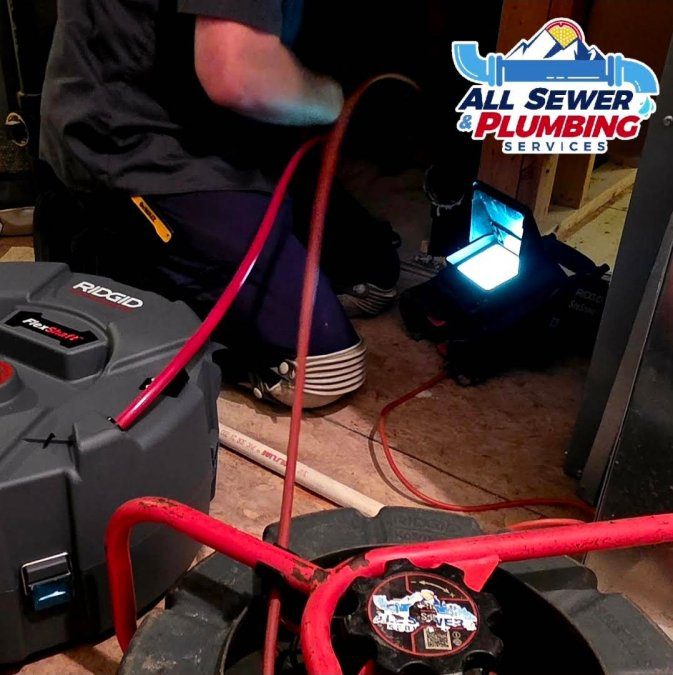
Table of Contents
- 8 Signs You Need Sewer Repair Right Now
- Signs of Tree Root Intrusion in Sewer Lines
- DIY vs. Professional Sewer Diagnostics
- Sewer Line Repair vs Replacement: How to Decide
- Trenchless Sewer Repair Cost: What Affects Your Price
- Preventative Maintenance to Avoid Future Sewer Repair
- Frequently Asked Questions
Last Updated: August 21, 2026
8 Signs You Need Sewer Repair Right Now
Most homeowners ignore sewer line problems until catastrophic failure occurs. Recognizing warning signs early is the difference between a straightforward fix and a full excavation nightmare. At All Sewer and Plumbing Services, LLC, we’ve seen small problems become expensive ones when ignored for months.
Sewer repair is the process of diagnosing and restoring a damaged or deteriorated sewer lateral, the pipe connecting your home’s plumbing to the municipal main line. When that line fails, every drain, toilet, and fixture in your home is affected.
Below, we’ll walk through all eight warning signs, explain what’s happening inside your pipes, and cover how modern trenchless methods can resolve most issues without tearing up your yard.
Slow-Moving or Clogged Drains Throughout the House
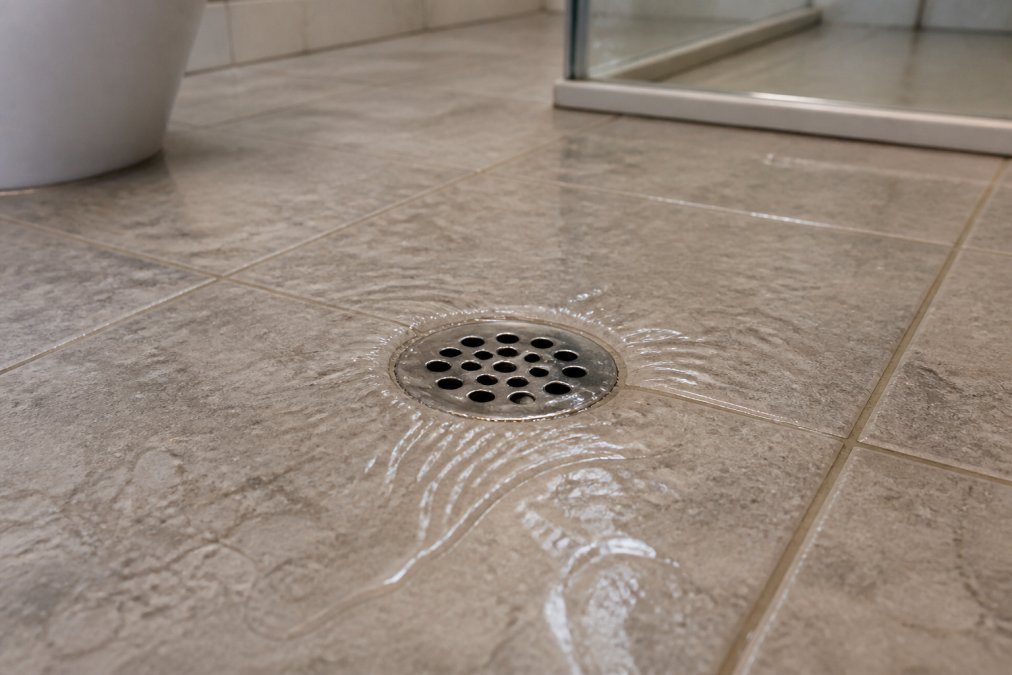
A single slow drain is usually a localized clog. Multiple slow drains across different fixtures simultaneously indicates the obstruction is in the main sewer line, not individual branch lines. Snaking a branch line won’t fix a main line blockage. Many homeowners pay for repeated drain cleaning and get temporary relief because the root cause, pipe corrosion, partial collapse, or tree root intrusion, never gets addressed. If drains are slow throughout the house and the problem keeps returning, a video camera inspection of the main line is the next logical step.
Recurring Sewage Backups
Sewage backing up into floor drains, bathtubs, or toilets is a plumbing emergency. Wastewater has nowhere to go when the main sewer line is blocked or collapsed, so it reverses direction and finds the lowest available exit point in your home. A single backup can happen for several reasons, but recurring backups indicate structural damage or a persistent obstruction the drainage system can’t clear on its own. This is when a camera inspection stops being optional. Ignoring recurring backups creates serious health risks from sewer gas and contaminated water, and it accelerates underlying pipe damage.
Gurgling Sounds in Toilets or Pipes
Gurgling sounds from your toilet, especially after running a sink or washing machine, indicate negative air pressure in the drainage system. Air is being trapped and forced back through the water in your toilet trap because the sewer line is partially blocked or venting improperly. This symptom is easy to dismiss as minor, but persistent gurgling means wastewater flow is impeded somewhere in the main sewer line. Left unaddressed, that partial blockage typically progresses to a full one.
Persistent Sewer Gas Odors Indoors
A properly functioning sewer system is sealed. You should never smell sewer gas inside your home. If you detect a persistent rotten egg or sulfur odor, sewer gas is escaping through a crack, joint failure, or collapsed section in your sewer lateral. According to OSHA’s guidelines on hydrogen sulfide hazards, hydrogen sulfide poses genuine health risks at elevated concentrations. The odor confirms your pipe’s structural integrity has been compromised.
Lush or Unusually Green Patches in the Yard
A patch of lawn noticeably greener or growing faster than surrounding areas, particularly in a line running from your house toward the street, indicates a leaking sewer lateral beneath it. Sewage acts as fertilizer. When a pipe cracks or separates at a joint, wastewater seeps into surrounding soil and feeds vegetation above it. This is one of the most reliable visual signs of sewer line damage.
Wet or Soggy Spots on the Lawn
Soggy ground that doesn’t correspond to recent rainfall is a serious indicator of sewer line failure. The volume of escaping wastewater can saturate surrounding soil to the point of creating visibly wet or muddy areas in your yard. Soil saturation from a leaking sewer lateral also creates hydrostatic pressure against your foundation. The American Society of Civil Engineers’ infrastructure report consistently flags aging sewer infrastructure as a leading contributor to residential foundation issues. Address wet spots early, before saturated soil creates secondary problems.
Foundation Cracks and Settling
When a sewer lateral leaks persistently beneath or near a home’s foundation, escaping water erodes the soil supporting the structure. As that soil shifts, the foundation settles unevenly, producing cracks in walls, floors, and the foundation itself. If you’re seeing new cracks, doors or windows that no longer close properly, or uneven floors, and you have other symptoms on this list, the sewer line deserves investigation before you spend money on foundation repair alone.
Pest or Rodent Infestations Near Drains
Rats and cockroaches can enter a home through cracked or collapsed sewer pipes. A gap as small as half an inch is enough for a rat to squeeze through. If you’re experiencing unexplained pest activity near floor drains, under sinks, or in basement areas, a compromised sewer lateral may be the entry point. Treating the infestation without sealing the sewer line entry point guarantees the problem returns.
|
Warning Sign |
What It Indicates |
Urgency Level |
|---|---|---|
|
Multiple slow drains |
Main line blockage or partial collapse |
High |
|
Recurring sewage backup |
Structural damage or full blockage |
Emergency |
|
Gurgling toilets |
Partial obstruction, air pressure issues |
Moderate-High |
|
Sewer gas odors indoors |
Pipe crack or joint failure |
High |
|
Lush yard patches |
Active sewage leak into soil |
Moderate-High |
|
Soggy lawn spots |
Significant pipe failure, soil saturation |
High |
|
Foundation cracks |
Long-term leak eroding soil support |
Emergency |
|
Pest activity near drains |
Pipe gap large enough for entry |
High |
Signs of Tree Root Intrusion in Sewer Lines
Tree root intrusion is one of the most common causes of sewer line damage in residential properties. Root intrusion occurs when tree or shrub roots detect moisture escaping from a pipe joint or hairline crack and grow toward that source. Once inside, they expand, eventually blocking flow entirely or fracturing the pipe wall.
How Roots Enter and Damage Pipes
Roots don’t punch through intact pipes. They exploit existing vulnerabilities: aging clay pipe joints that have shifted over decades, small cracks from ground movement, or corroded sections in older cast iron lines. Once a root tip finds moisture, it grows into the pipe and branches outward, acting as a net that catches debris and accelerates blockage formation. Clay pipes, standard in homes built before the 1970s, are particularly vulnerable because their bell-and-spigot joints are held by compression rather than adhesive bonding. Ground settling separates those joints enough for root entry.
Visual and Diagnostic Clues to Watch For
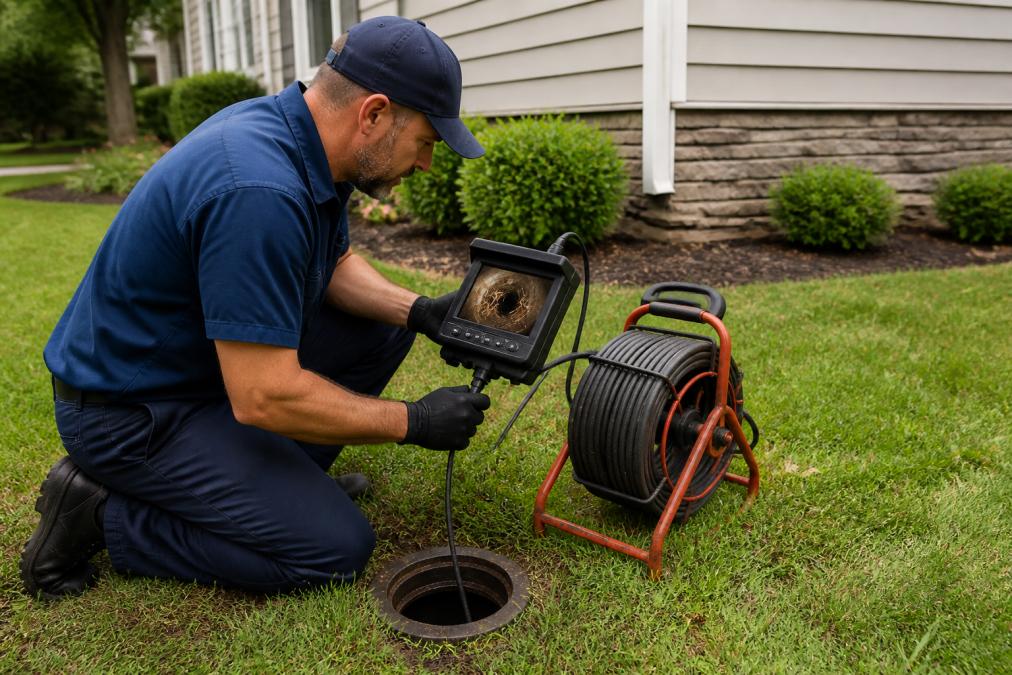
Signs of root intrusion mirror general sewer line failure: slow drains, gurgling, recurring backups. The distinguishing factor is pattern and location. Root intrusion symptoms often correlate with the location of large trees or shrubs relative to the sewer lateral path. A video camera inspection is the only reliable way to confirm root intrusion and assess its severity, revealing whether roots are present, how extensive the growth is, and whether the pipe wall remains structurally intact or has fractured.
DIY vs. Professional Sewer Diagnostics
The most common DIY approach is renting a drain snake to clear blockages. This works for simple clogs in branch lines close to the fixture, but not for main line blockages caused by root intrusion, pipe collapse, or significant buildup. DIY methods cannot reveal the pipe’s condition, whether roots are present, whether a section has collapsed, or whether the problem will recur.
Professional diagnostics center on video camera inspection. A camera inserted through a cleanout access point transmits live footage of the pipe interior, revealing the actual cause, pipe material and condition, and precise damage location. If you’ve had a drain snaked more than twice for the same problem, or if symptoms appear in multiple fixtures simultaneously, a camera inspection’s diagnostic value far outweighs its cost.
Sewer Line Repair vs Replacement: How to Decide
Sewer line repair addresses a specific damaged section, while sewer line replacement involves restoring the entire lateral from the home to the municipal main connection. The right choice depends on what the camera inspection reveals.
Repair is appropriate when damage is localized. A single offset joint, small root intrusion point, or confined corrosion section can often be addressed with targeted CIPP epoxy pipe lining, which creates a new pipe wall within the existing one without excavation. Replacement makes more sense when the pipe has deteriorated along its entire length, when multiple sections show collapse or significant root damage, or when the pipe material itself is the problem.
Trenchless pipe bursting effectively replaces the sewer lateral by fracturing the old pipe outward while simultaneously pulling a new pipe through the same path, achieving replacement-level results without traditional excavation’s footprint. According to the Water Research Foundation’s guidance on sewer rehabilitation, the choice between repair and replacement should be driven by remaining service life assessment. A pipe with 20% of its original wall thickness remaining may be functional today but will fail within a few years regardless of targeted repairs.
Trenchless Sewer Repair Cost: What Affects Your Price
Trenchless sewer repair cost varies considerably based on repair method, pipe length and depth, pipe material, and access availability. The factors that most directly affect cost include the specific repair method required, pipe length and diameter, depth, pipe condition and material, and existing access points. CIPP epoxy pipe lining suits pipes with intact structural walls, while pipe bursting, used when the existing pipe is too deteriorated to line, involves different equipment and labor requirements.
The financial comparison that matters: trenchless methods eliminate the cost of landscape restoration, concrete cutting, and soil replacement that traditional excavation requires. For properties with mature landscaping, driveways, or hardscaping over the sewer lateral path, that savings is substantial. All Sewer and Plumbing Services, LLC provides free estimates so you can evaluate the full scope before committing to any repair path.
Preventative Maintenance to Avoid Future Sewer Repair
The best sewer repair is the one you never need. A consistent preventative maintenance schedule significantly extends your sewer lateral’s service life and catches developing problems before they become emergencies.
Annual maintenance checklist:
- Schedule a video camera inspection of the main sewer line every 3-5 years, or annually if you have mature trees near the lateral path
- Have hydro-jetting performed to clear accumulated grease, scale, and minor root growth before it causes blockage
- Inspect and clear the sewer cleanout access point to ensure it’s functional and accessible
- Check outdoor drainage patterns for signs of soggy spots or unusually green vegetation over the lateral path
Ongoing practices that reduce sewer line stress:
- Never flush wipes, paper towels, or hygiene products, even those labeled “flushable”
- Avoid pouring grease or cooking oil down kitchen drains
- Plant trees and large shrubs away from the sewer lateral path (minimum 10 feet clearance)
- Address slow drains promptly rather than waiting for a full backup
As documented in EPA’s guidance on private sewer lateral maintenance, homeowners are responsible for the sewer lateral from their home to the municipal connection point. A hydro-jetting service performed every two years costs far less than a single emergency repair and provides the opportunity to catch root intrusion or pipe deterioration before it progresses.
Sewer problems rarely announce themselves clearly until the situation is already serious. The signs you need sewer repair, from slow drains and gurgling toilets to soggy lawn patches and foundation cracks, tell you something is wrong before total failure occurs. All Sewer and Plumbing Services, LLC specializes in trenchless sewer repair and replacement using CIPP epoxy pipe lining and pipe bursting technologies, methods that restore your sewer line without excavating your yard. With over two decades of experience and free estimates available, there’s no reason to wait until a manageable problem becomes an emergency. Schedule now and get a clear picture of what’s actually happening in your sewer line.
Frequently Asked Questions
Q: What are four signs that your sewer line is broken?
A: The four most common signs of a broken sewer line are multiple drains backing up or draining slowly at the same time, gurgling sounds coming from toilets or floor drains, persistent sewer gas odors inside the home, and soggy or unusually green patches in the yard above the sewer lateral. Any one of these warrants a professional video camera inspection to assess the condition of your main sewer line before the damage worsens.
Q: Can a sewer line be repaired without digging up the yard?
A: Yes. Trenchless sewer repair methods, including CIPP epoxy pipe lining and pipe bursting, restore damaged sewer lines with minimal excavation. CIPP lining installs a resin-saturated liner inside the existing pipe, which hardens into a smooth new pipe wall. Pipe bursting replaces the old pipe entirely by pulling a new one through the ground. Both methods protect landscaping, driveways, and hardscaping that traditional excavation would destroy.
Q: Will homeowners insurance cover sewer line repair?
A: Standard homeowners insurance policies typically do not cover sewer line repairs caused by normal wear, tree root intrusion, or gradual pipe deterioration. Some insurers offer optional sewer line endorsements or service line coverage as add-ons. Sudden, accidental damage may be covered under certain policies. Review your policy carefully and contact your insurer before scheduling repairs. A professional plumber can provide documentation of the damage to support any claim you file.
Q: How often do residential sewer lines need to be replaced?
A: Sewer line lifespan depends heavily on pipe material. Cast iron pipes typically last 50-75 years, while older clay or Orangeburg pipes can fail much sooner, sometimes within 30-50 years. PVC pipes installed in modern construction can last 100 years or more. Homes built before 1970 are most at risk for pipe collapse or corrosion. A video camera inspection every 5-10 years is the most reliable way to assess your sewer lateral’s current condition and remaining structural integrity.
This article was written using GrandRanker
FREE Estimates
How can we help you?

our services


contact our team today
Contact a service professional at All Sewer and Plumbing Services LLC today. We are here to answer all your questions.
OPEN 24 hours 7 days a week