Best Drain Solutions Hospitals Can Rely On
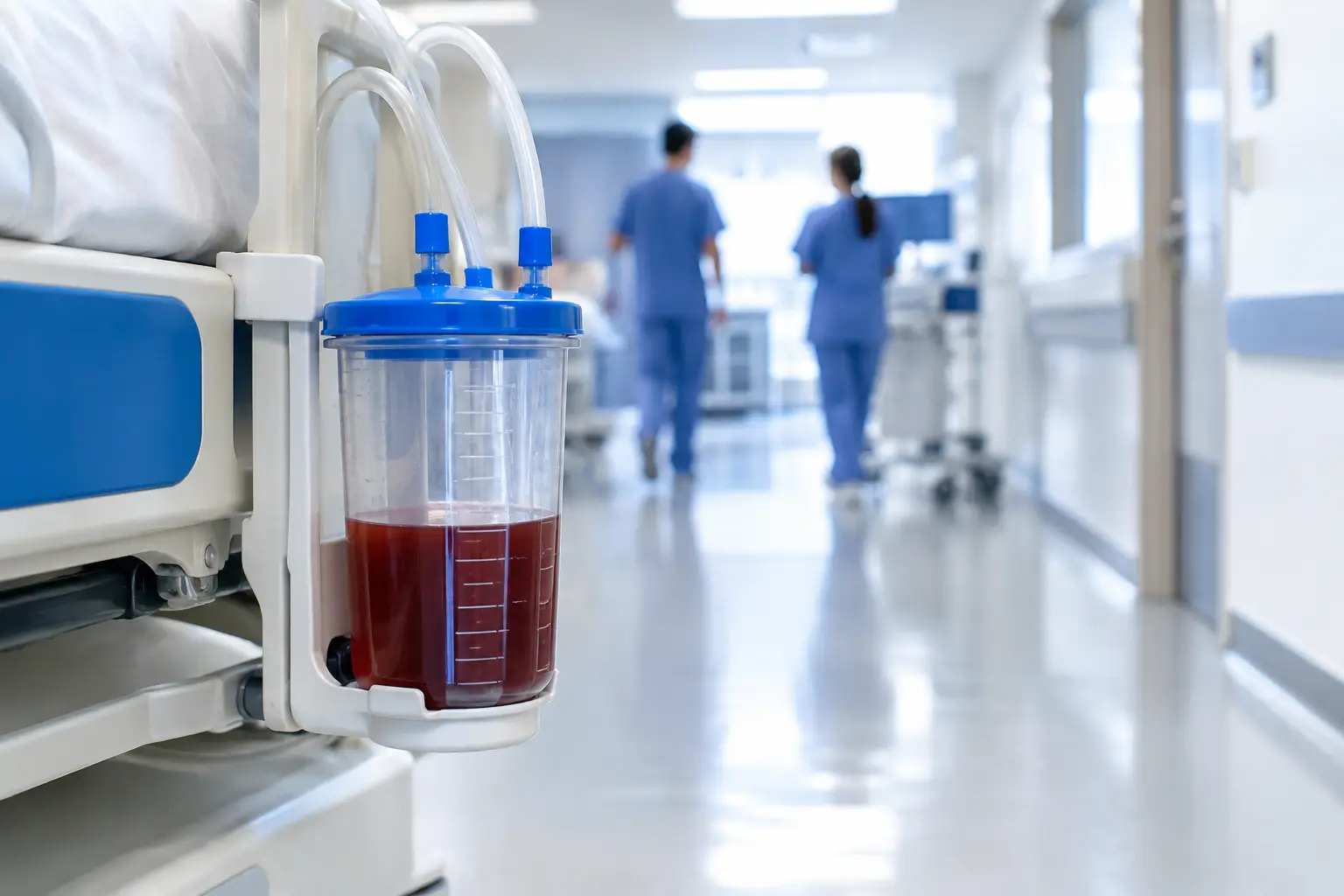
A drain backup in a hospital is not a routine plumbing inconvenience. It can close a restroom, disrupt food service, affect patient areas, and force facilities teams to make fast decisions under pressure. The best drain solutions hospitals rely on do more than clear a blockage. They identify the source of the failure, protect occupied spaces, and restore dependable flow with the least possible disruption to hospital operations.
For hospital facilities leaders, the right response depends on whether the issue is a localized drain obstruction, a recurring branch-line problem, or a failing underground sewer. A qualified sewer and plumbing contractor should begin with a clear diagnosis, then recommend the repair method that fits the condition of the pipe and the operational demands of the campus.
Why Hospital Drain Problems Require a Different Approach
Hospitals operate around the clock. There is rarely a convenient time to shut down a restroom group, kitchen drain line, lab area, or main sewer connection. Work must be planned around patients, staff, visitors, sensitive equipment, restricted access, and infection-control procedures.
That makes a quick surface-level fix risky. Repeatedly cabling a line may restore flow for the moment, but it will not correct a pipe damaged by roots, corrosion, offset joints, or a collapse. If the line fails again, the hospital may face a larger backup and a more disruptive emergency repair.
A reliable contractor treats the immediate blockage and the underlying infrastructure condition as separate questions. Drain cleaning handles many active obstructions. Video inspection determines whether the pipe itself is still capable of dependable service.
Start With Camera Inspection, Not Assumptions
Video sewer inspection is one of the most useful diagnostic tools for a hospital property. A high-resolution camera can travel through accessible drain and sewer lines to locate root intrusion, grease buildup, scale, cracks, bellies, separated joints, and damaged sections. The inspection also helps determine the pipe material, diameter, depth, and direction of the line before repair work begins.
This information gives facilities teams a documented basis for decision-making. Instead of approving excavation based on a guess, they can see whether a targeted cleaning, trenchless rehabilitation, or full replacement is justified. For large campuses with older additions and undocumented utility routes, that clarity can prevent unnecessary work.
Best Drain Solutions Hospitals Should Consider
There is no single repair method that fits every hospital drain or sewer problem. The right option depends on the pipe’s condition, the location of the damage, access points, and whether the line can be temporarily taken out of service. The strongest approach combines diagnostic inspection with proven repair methods.
Professional Drain Cleaning for Active Blockages
For slow or backed-up drains caused by debris, grease, roots, or buildup, professional drain cleaning is often the first step. Equipment should be selected for the line and obstruction, not simply pushed through until water starts moving again.
Hydro jetting can be effective for removing heavy buildup from appropriately sized and structurally sound lines. Mechanical cable machines may be better suited to certain localized obstructions. In either case, cleaning should be followed by inspection when backups recur. A line that clogs repeatedly is usually giving the facility a warning that cleaning alone cannot solve.
CIPP Epoxy Pipe Lining for Damaged Sewer Lines
Cured-in-place pipe, or CIPP, creates a new pipe inside an existing damaged line. A resin-saturated liner is installed through existing access points, positioned within the host pipe, and cured to form a continuous, jointless interior pipe.
For hospitals, epoxy pipe lining can be a strong choice when the existing pipe is generally intact in shape but has cracks, leaking joints, root intrusion, corrosion, or deterioration. It can reduce the need to open sidewalks, landscaped areas, parking lots, floors, or other finished surfaces above the line. Fewer excavation areas often mean less noise, less site restoration, and a shorter impact on daily operations.
Lining is not the answer for every pipe. A severely collapsed line, a pipe with major misalignment, or a route that cannot be properly accessed may require a different solution. A camera inspection and experienced evaluation are essential before recommending CIPP.
Trenchless Pipe Bursting for Full Replacement
When a sewer line is too damaged to rehabilitate, trenchless pipe bursting can provide a practical replacement option. This process pulls a new pipe through the existing route while breaking apart the old pipe. Small access pits are generally required at the beginning and end of the replacement run, rather than a continuous open trench.
Pipe bursting is particularly valuable where a failed line runs beneath pavement, landscaping, drive lanes, or other costly surface features. It can provide a new pipe rather than a repaired interior, making it a good fit for lines with extensive deterioration or collapse. The trade-off is that the work still requires careful utility locating, access planning, and coordination around the affected area.
Conventional Excavation When Conditions Demand It
Trenchless methods are often the best way to reduce disruption, but they are not a reason to ignore site realities. Some lines are inaccessible, too shallow, too deep, incorrectly routed, or damaged in ways that require excavation. A dependable contractor explains when open repair is necessary and limits excavation to the smallest practical area.
The goal is not to sell one method for every job. The goal is to restore a safe, durable drainage system with a repair plan that makes operational and financial sense.
How to Choose Hospital Drain Solutions With Less Risk
Facilities leaders should evaluate more than the contractor’s ability to respond to an emergency. Ask how the company will diagnose the failure, protect occupied areas, communicate with hospital representatives, and document the completed work. A clear scope should identify the affected line, the proposed method, access requirements, anticipated shutdowns, and restoration responsibilities.
Experience with complex commercial and institutional properties matters. Hospital work requires crews that understand controlled access, work-hour restrictions, site safety requirements, and the need to keep pathways clear for staff and emergency operations. The contractor should coordinate closely with facilities, security, infection-control personnel, and department contacts before equipment arrives on site.
It is also wise to think beyond the immediate repair. If camera inspection reveals root intrusion at multiple joints or corrosion throughout an aging section, a preventive rehabilitation project may cost less than repeated emergency calls. For a hospital, avoiding one major wastewater backup can protect far more than a maintenance budget.
Build a Response Plan Before the Next Backup
A hospital does not need to wait for a major overflow to improve drain reliability. A planned inspection program can identify vulnerable mains, recurring trouble spots, and aging pipe sections before they create an operational emergency. Documentation from prior camera inspections and cleaning work helps establish where issues are developing and which lines should be prioritized.
The plan should also identify who to contact, where cleanouts and shutoffs are located, which areas are most sensitive to downtime, and how access will be managed after hours. This preparation gives facilities teams more control when a drain begins to slow or a sewer alarm occurs.
All Sewer and Plumbing Services provides diagnostic inspections, drain cleaning, trenchless epoxy pipe lining, and pipe bursting for complex Colorado properties. For hospitals, the value is a clear path from emergency diagnosis to a durable repair strategy that protects the campus from unnecessary excavation.
When a hospital drain line shows repeated backups, odors, slow flow, or evidence of sewer damage, treat it as an infrastructure issue before it becomes an operational crisis. A documented inspection and the right repair method can keep a manageable problem from reaching patient-facing spaces.
FREE Estimates
How can we help you?

our services


contact our team today
Contact a service professional at All Sewer and Plumbing Services LLC today. We are here to answer all your questions.
OPEN 24 hours 7 days a week