How Long Does Trenchless Pipe Lining Last?
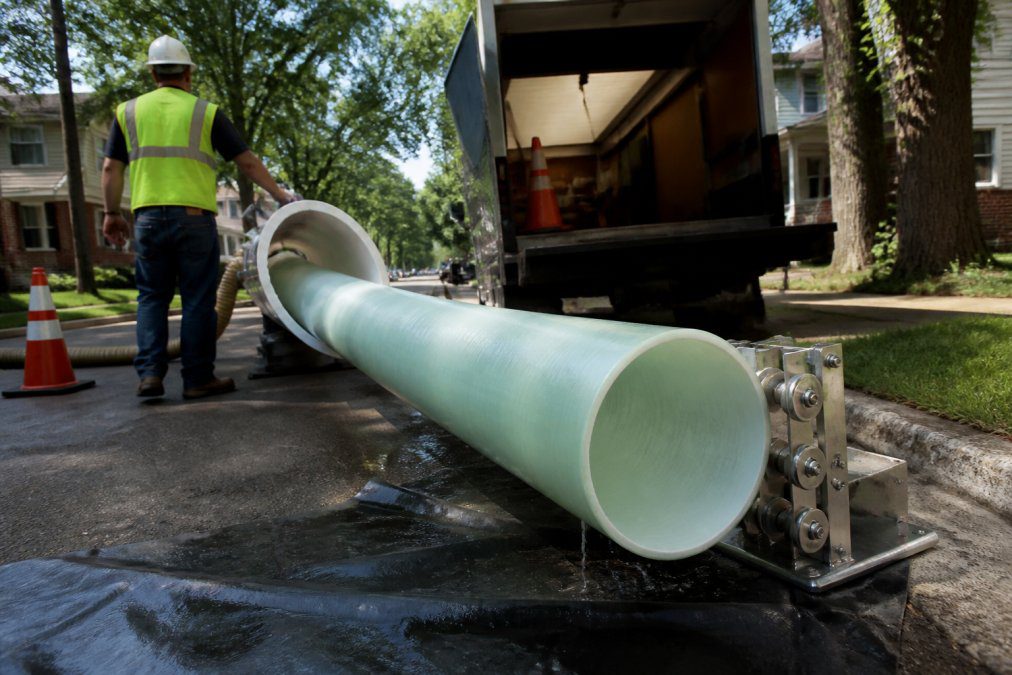
Table of Contents
- What Is Trenchless Pipe Lining and How Does It Work?
- How Long Does Trenchless Pipe Lining Last?
- Signs Your Sewer Line Needs Trenchless Repair
- Trenchless Pipe Lining vs. Traditional Pipe Replacement
- Benefits of CIPP for Commercial Property Maintenance
- Trenchless Pipe Lining Warranty Standards: What to Expect
- How to Maximize the Lifespan of Your Lined Pipe
- Conclusion
Last Updated: August 23, 2026
What Is Trenchless Pipe Lining and How Does It Work?
Trenchless pipe lining is a sewer rehabilitation method that restores damaged or deteriorating pipes from the inside out, without excavating your yard, driveway, or landscaping. At All Sewer and Plumbing Services, LLC, we’ve been installing CIPP liners for residential, commercial, and municipal clients since 2009. The process creates a new pipe within your existing pipe, sealing cracks, joints, and root intrusion points while restoring full structural integrity.
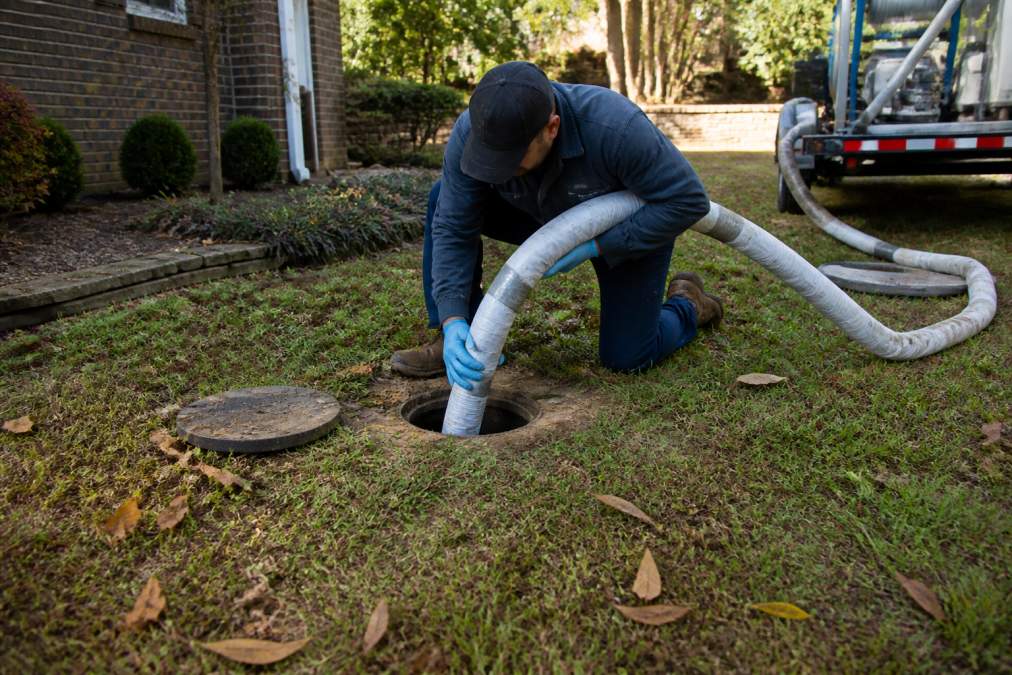
The core technology is cured-in-place pipe, or CIPP. A flexible felt or fiberglass tube saturated with epoxy resin is inserted into the damaged pipe and inflated against the pipe wall. Once the resin hardens, you’re left with a smooth, seamless liner that functions as a structurally independent pipe inside the old one. No trenches. No heavy equipment. No weeks of disruption.
The Cured-in-Place Pipe (CIPP) Process Step by Step
- Video camera assessment. A sewer inspection camera documents the exact condition of the pipe, identifying cracks, root intrusion, joint failures, and degradation.
- Hydro-jetting. High-pressure water removes debris, grease, and root intrusion, ensuring the liner bonds properly to the pipe wall.
- Liner preparation. A resin-impregnated liner is cut to the correct length and saturated with epoxy resin, with specifications confirmed against inspection data.
- Liner insertion. The liner is pulled or inverted into position using water pressure or an inversion drum, pressing the resin against the host pipe’s interior surface.
- Curing process. Heat, UV light, or ambient temperature hardens the epoxy resin. Curing time typically ranges from one to several hours.
- Final inspection. A post-installation camera inspection confirms the liner has fully adhered with no wrinkles, gaps, or uncured sections.
Most residential sewer lateral jobs complete in a single day. Larger commercial or municipal lines may require additional time, but the excavation-free nature means the surrounding area remains undisturbed.
Ask your contractor to share the post-installation camera footage. A reputable provider will document the completed liner as standard practice, and that footage becomes part of your maintenance record for warranty or insurance claims.
How Long Does Trenchless Pipe Lining Last?
Trenchless pipe lining, when properly installed, is expected to last 50 years or more under normal operating conditions. This is based on the structural performance of cured epoxy resin, which resists corrosion, root intrusion, and chemical degradation far better than the original clay, cast iron, or concrete pipe it lines.
According to the National Association of Sewer Service Companies technical guidelines, CIPP liners installed to ASTM standards are designed for a minimum 50-year service life. Actual service life depends on several real-world variables that every homeowner and property manager should understand before committing to the investment.
Factors That Affect CIPP Service Life
These variables have a direct impact on how long your liner performs:
- Host pipe condition. A liner installed in a pipe with severe structural collapse won’t achieve its full design life. Moderate cracking, joint separation, and root intrusion are ideal candidates.
- Pipe diameter and wall thickness. Larger-diameter pipes require thicker liners. Under-specifying liner thickness is a common installation error that shortens service life.
- Resin quality and curing method. Fully and evenly cured epoxy performs significantly better than resin that was rushed or improperly heated. UV-cured and steam-cured systems tend to produce more consistent results than ambient-cure methods.
- Soil and groundwater conditions. High groundwater pressure or aggressive soil chemistry place more stress on the liner over time.
- Flow conditions. Commercial kitchens and high-grease environments accelerate liner wear if maintenance is inconsistent.
- Installation quality. A properly trained crew using calibrated equipment will consistently outperform a low-bid installer cutting corners on resin saturation or curing time.
A correctly installed CIPP liner in a residential sewer lateral should provide decades of trouble-free service. A poorly installed one can fail within years.
Signs Your Sewer Line Needs Trenchless Repair
Most sewer lines degrade gradually, with warning signs appearing long before a full backup forces action. Catching these early is the difference between straightforward trenchless rehabilitation and emergency excavation.
Watch for these indicators:
- Recurring drain backups. If snaking keeps returning within months, root intrusion or structural pipe degradation is the likely cause.
- Multiple slow drains. Multiple slow drains throughout the building suggest a mainline issue rather than a localized blockage.
- Sewage odors indoors or in the yard. Cracked pipe walls allow sewer gas to escape into living spaces or permeate the soil.
- Unusually lush or wet patches in the yard. Effluent leaking from a compromised sewer lateral acts as fertilizer.
- Foundation settling or sinkholes. Chronic leaks wash away soil supporting your foundation, a late-stage sign demanding immediate attention.
- Age of the pipe. Clay pipes installed before 1980 and cast iron pipes from the same era are approaching or past their design life.
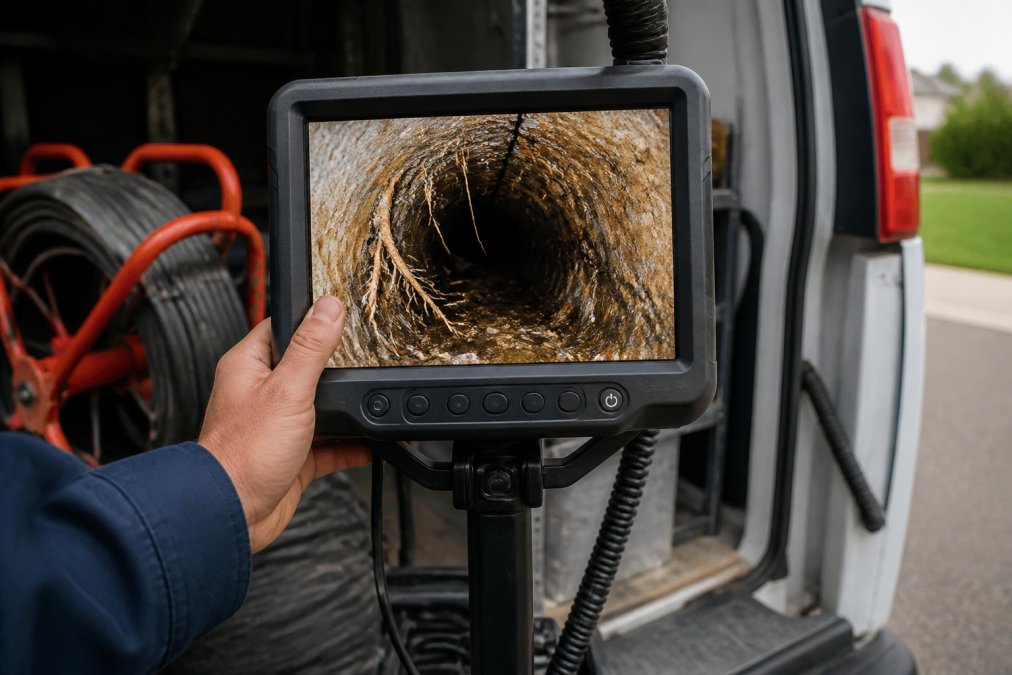
Don’t wait for a backup to schedule a [sewer inspection](/services/video-sewer-inspection/). By the time sewage backs up into your home, the pipe has usually been failing for years. A camera inspection catches problems early, when trenchless repair is most cost-effective.
Trenchless Pipe Lining vs. Traditional Pipe Replacement
Traditional pipe replacement involves excavating a trench the full length of the failing sewer line, removing the old pipe, installing new pipe, and restoring the surface. It works, but the collateral damage is significant.
| Factor | Trenchless Pipe Lining | Traditional Excavation |
|---|---|---|
| Landscape disruption | Minimal (access points only) | Extensive trench across full pipe run |
| Installation time | Typically 1 day | Several days to weeks |
| Business/tenant disruption | Hours of downtime | Days to weeks |
| Pipe diameter reduction | Minor (liner thickness) | None |
| Best for | Cracked, root-invaded, leaking pipe | Collapsed or fully missing sections |
| Long-term performance | 50+ year design life | Depends on new pipe material |
| Restoration costs | Low (minimal surface damage) | High (landscaping, concrete, pavement) |
Pipes with complete structural collapse or severe offset joints may need pipe bursting, which replaces the host pipe entirely while still avoiding open excavation. A thorough video camera assessment before any recommendation is essential.
According to the Water Research Foundation’s trenchless technology overview, trenchless rehabilitation methods consistently reduce total project cost when surface restoration expenses are factored in. The excavation-free approach eliminates the need to repave driveways, replant landscaping, or restore hardscaping.
Benefits of CIPP for Commercial Property Maintenance
Commercial property managers face a different calculation than homeowners. Sewer line failure can shut down a restaurant, close a retail space, or displace tenants. The benefits of CIPP extend well beyond avoiding a messy yard.
A trenchless lining job on a commercial sewer lateral typically completes in a single day, with water service restored within hours of curing. Traditional excavation could mean days or weeks of disruption, contractor access across parking lots, and unusable restroom facilities.
A smooth epoxy liner resists grease buildup and root intrusion better than aging clay or cast iron, reducing the frequency of emergency service calls over the liner’s service life. For property managers tracking maintenance budgets, that predictability has real value.
Other commercial advantages include:
- Protection of parking lots and hardscaping. Excavation means expensive pavement restoration on top of the pipe repair cost.
- Compliance with local municipal requirements. Many municipalities now accept CIPP rehabilitation as equivalent to pipe replacement for permit purposes. The [EPA’s guidance on trenchless sewer(/how-does-trenchless-sewer-repair-work/) rehabilitation | epa.gov] recognizes CIPP as a proven technology for maintaining sewer system integrity.
- Reduced liability exposure. Proactive rehabilitation documents that the property owner took corrective action.
- Historical building compatibility. Older commercial buildings with original clay or cast iron laterals are ideal candidates for CIPP, avoiding disturbance to foundations and structural elements.
For commercial property managers, the real value of trenchless pipe lining isn’t just the repair cost, it’s the avoided cost of surface restoration, tenant disruption, and repeat emergency service calls over the next decade.
Trenchless Pipe Lining Warranty Standards: What to Expect
Trenchless pipe lining warranty standards vary considerably across the industry. A well-installed CIPP liner should come with a workmanship warranty from the installer covering installation defects, typically ranging from one to several years. This is separate from the material performance warranty, which speaks to the expected service life of the liner product.
Industry-standard CIPP installations reference ASTM International’s F1216 standard for CIPP installation, which specifies minimum requirements for liner thickness, resin properties, and structural performance. Contractors who reference ASTM F1216 compliance are committing to a documented standard.
What to ask your contractor before the job:
- What is the workmanship warranty period, and what does it cover?
- Does the liner product carry a manufacturer’s warranty, and for how long?
- Will you provide post-installation camera footage as documentation?
- Is the installation compliant with ASTM F1216 or equivalent standards?
- What is the process if the liner fails or delamination occurs within the warranty period?
A contractor who can’t answer these questions clearly is worth walking away from.
Does Homeowners Insurance Cover Trenchless Lining?
Standard homeowners policies typically exclude sewer line damage from gradual deterioration, root intrusion, or age, which covers the majority of CIPP candidates. Coverage is more likely when damage results from a sudden, accidental event such as a tree root collapse caused by a storm.
Some insurers offer sewer line endorsements or service line protection riders that specifically cover repair or replacement costs, including trenchless methods. Contact your insurer before scheduling the repair, document the damage with video camera footage, and ask specifically whether your policy includes a service line or sewer backup endorsement. Adding one is typically inexpensive and worth considering for older properties.
How to Maximize the Lifespan of Your Lined Pipe
A properly installed CIPP liner requires very little active maintenance. The following practices protect your investment and keep the liner performing at its design life:
Schedule periodic video camera inspections. A camera check every five to ten years catches any new root intrusion from joints that weren’t fully sealed and provides documentation for insurance or property sale purposes.
Avoid chemical drain cleaners. Harsh chemical cleaners can degrade epoxy resin over time. Mechanical cleaning or hydro-jetting is the preferred method for clearing buildup.
Control root growth above the line. Trees and large shrubs planted near the sewer lateral will eventually send roots toward moisture. Removing or relocating aggressive species reduces long-term pressure on the liner.
Manage grease and solids at the source. For commercial kitchens, grease traps and regular interceptor maintenance prevent buildup that accelerates liner wear.
Address upstream plumbing issues promptly. A liner downstream of a cracked or leaking connection will eventually see increased flow and pressure from infiltration.
The post-installation inspection is your baseline document. If you ever need to make a warranty claim, demonstrate due diligence to an insurer, or provide disclosure during a property sale, that camera footage from day one is your best evidence that the liner was installed correctly.
Sewer line failure rarely announces itself until damage is already significant. The real challenge is acting before a manageable rehabilitation becomes a full excavation emergency. All Sewer and Plumbing Services, LLC has specialized in trenchless sewer repair and replacement since 2009, using CIPP epoxy pipe lining and pipe bursting technologies to restore sewer lines with minimal excavation and disruption to your property. Our team provides free estimates and will document every step of the process so you have a complete record of the work. Schedule now to get a camera inspection and find out whether your sewer line is a candidate for trenchless rehabilitation.
Frequently Asked Questions
What is the typical lifespan of trenchless pipe lining?
A properly installed cured-in-place pipe (CIPP) liner is generally rated for 50 years or more. The epoxy resin bonds directly to the interior of the host pipe, creating a seamless, corrosion-resistant tube within a tube. Actual service life depends on pipe diameter, soil conditions, flow volume, and whether the line is cleaned and inspected on a regular maintenance schedule. Lines that receive periodic hydro-jetting and video camera assessment consistently perform at the high end of that range.
Is trenchless pipe lining considered a permanent repair?
Yes, trenchless pipe lining is classified as a structural repair, not a temporary fix. Unlike snaking or chemical treatments that address symptoms, CIPP lining restores the pipe wall itself, adding thickness and corrosion resistance. The new liner becomes a fully structural pipe inside the original host pipe. When installed to ASTM F1216 standards and backed by a written warranty, it is recognized as a long-term rehabilitation solution suitable for residential sewer laterals, commercial lines, and municipal infrastructure.
Can tree roots penetrate trenchless pipe lining?
A correctly cured CIPP liner creates a seamless, jointless interior surface that gives roots no entry points to exploit. Root intrusion is one of the most common causes of sewer line failure in older clay and cast-iron pipes precisely because roots enter at joints and cracks. Once the liner is in place, those gaps are sealed. However, if the liner is improperly cured or develops a delamination failure, roots can eventually find a foothold, which is why post-installation video camera inspection matters.
What are the disadvantages of CIPP lining?
CIPP lining is not suitable for every situation. Pipes with severe structural collapse, significant offset joints, or pipe diameters outside the equipment's range may require pipe bursting or full excavation instead. The upfront cost is higher than a simple snake or patch. Some older resin formulations have also raised environmental questions about styrene off-gassing during the curing process, though modern low-styrene and UV-cured resins address most of those concerns. A thorough video camera assessment before installation identifies whether lining is the right solution.
This article was written using GrandRanker
FREE Estimates
How can we help you?

our services


contact our team today
Contact a service professional at All Sewer and Plumbing Services LLC today. We are here to answer all your questions.
OPEN 24 hours 7 days a week