How Long Pipe Lining Lasts for Denver Properties
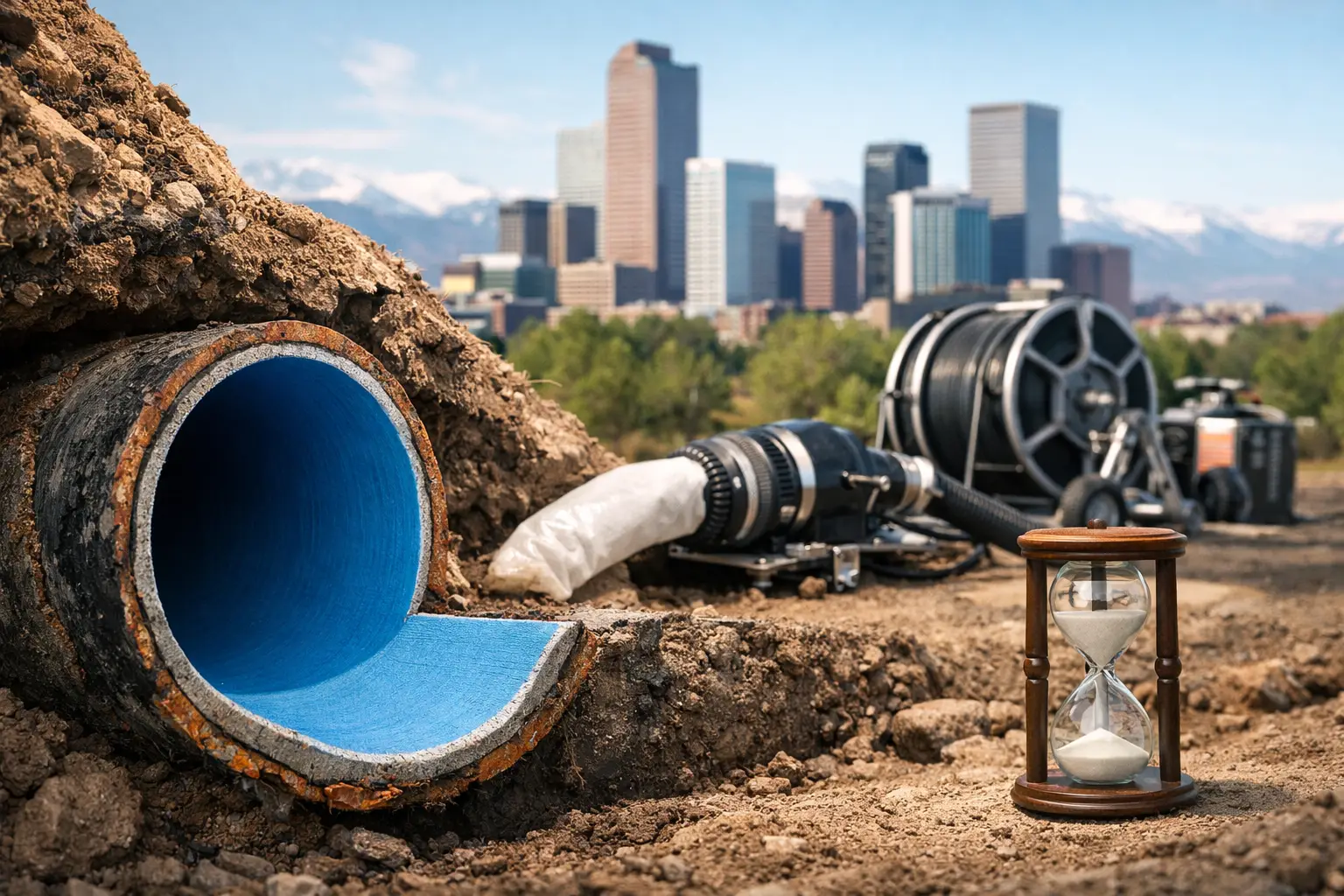
A sewer line repair should solve the problem for decades, not simply buy a few more months before the next backup. For property owners asking how long pipe lining lasts, a professionally installed CIPP epoxy liner can commonly provide a service life of 50 years or more. That longevity depends on the pipe’s condition before repair, the liner material, and the quality of the installation.
Pipe lining is not a temporary patch. It creates a new, jointless pipe inside the existing damaged pipe, restoring the line without the extensive excavation associated with conventional sewer replacement. For Denver homeowners, commercial facilities, and property managers, that can mean a long-term repair that protects landscaping, parking areas, floors, sidewalks, and daily operations.
How Long Does Pipe Lining Last?
Most quality cured-in-place pipe lining systems are designed for a minimum 50-year service life. In the right application, many lined sewer pipes can perform beyond that point. The cured epoxy resin forms a durable structural pipe within the host pipe, helping it resist common causes of sewer failure such as root intrusion, corrosion, separated joints, cracks, and groundwater infiltration.
The 50-year figure is not a promise that every pipe will perform identically under every condition. A residential lateral with normal household use faces different demands than a restaurant line carrying grease, a hospital sewer serving a large campus, or a municipal line with significant flow volume. The expected life of the repair must be based on a clear diagnosis of the line and a lining system designed for that specific use.
A video sewer inspection is the starting point. It shows whether the existing pipe can support a liner and identifies offset joints, root damage, scale buildup, cracks, bellies, or sections that may require a different trenchless solution.
Why CIPP Pipe Lining Holds Up So Well
Traditional clay, cast iron, Orangeburg, and aging steel sewer pipes often fail at their joints or through gradual deterioration of the pipe wall. CIPP lining addresses those weaknesses by forming one continuous, cured pipe through the damaged section. Because the liner has no joints, tree roots have far fewer entry points.
The epoxy resin also creates a smooth interior surface. This can improve flow in a pipe affected by rough cast iron, mineral scale, or corrosion. Although the liner slightly reduces the inside diameter of the original pipe, proper design accounts for that change. In many cases, the smoother interior offsets the small reduction and supports strong long-term flow.
A properly cured liner is also resistant to many chemicals found in normal wastewater. That matters for commercial kitchens, multi-unit buildings, schools, hotels, and industrial facilities where repeated use and higher flow volumes place greater demands on the sewer system.
What Affects How Long Pipe Lining Lasts?
The material itself is only part of the equation. Long service life starts with determining whether lining is the right repair for the specific line.
The condition of the existing pipe
Pipe lining works best when the host pipe still provides a reasonably continuous path for the liner. Cracked pipes, root intrusion, corrosion, leaking joints, and minor offsets can often be lined successfully. A pipe that is severely collapsed, missing large sections, or has a major belly may need spot excavation, pipe bursting, or full replacement instead.
Lining a pipe that has not been properly evaluated can leave an underlying structural or slope problem unresolved. This is why camera inspection and professional assessment are essential before selecting a repair method.
Cleaning and preparation
The line must be thoroughly cleaned before the liner is installed. Roots, grease, scale, debris, and loose pipe material can interfere with liner placement or prevent the epoxy from curing into the intended shape.
For older cast iron lines, descaling is particularly important. Cast iron can develop heavy internal rust and buildup that narrow the pipe and hide defects. Proper cleaning gives the new liner a clear path and allows the technician to verify the pipe’s actual condition before installation.
Installation quality and curing control
CIPP lining is a technical process, not a one-size-fits-all plumbing repair. The liner must be measured correctly, saturated with the appropriate resin, positioned through the pipe, inflated or inverted properly, and cured according to the material specifications. Service connections must then be reopened accurately.
Poor installation can shorten the useful life of any trenchless repair. A qualified trenchless contractor uses video inspection before and after the work, confirms proper curing, and documents that the repaired line is open and flowing as intended.
Pipe use and ongoing maintenance
A lined pipe is highly durable, but it is not immune to misuse. Grease, wipes, hygiene products, construction debris, and excessive sediment can still create clogs. Those materials may not damage the liner immediately, but they can restrict flow and cause backups that place unnecessary stress on the system.
Commercial properties should maintain an appropriate drain cleaning and inspection schedule based on how the facility operates. Restaurants, for example, need active grease management. Large residential communities and older buildings benefit from periodic camera inspections that identify developing issues before they disrupt tenants or operations.
Ground movement and external damage
Colorado properties can experience soil movement, freeze-thaw cycles, and settlement around aging underground utilities. A structural liner adds strength inside the existing pipe, but significant ground movement can affect any buried system. Excavation work near the sewer line, heavy equipment traffic, or damage from other utility projects can also create new problems.
Before landscaping, building an addition, replacing a driveway, or starting major site work, identify the location and condition of the sewer line. Protecting the line after repair is one of the simplest ways to preserve its long-term performance.
Pipe Lining Compared With Conventional Replacement
Both pipe lining and sewer replacement can be permanent solutions. The best choice depends on the condition and layout of the existing line.
Conventional replacement may be necessary when a pipe has collapsed, has severe misalignment, lacks adequate slope, or cannot be adequately cleaned and prepared for a liner. It can also be the practical choice when the pipe is already exposed during another construction project.
When the existing line is a good candidate, pipe lining avoids much of the disruption associated with open-trench replacement. Instead of digging across lawns, patios, finished basements, parking lots, or landscaped common areas, technicians can often access the line through a cleanout or small entry point. That reduces restoration costs and can shorten downtime for homes and businesses.
Pipe bursting is another trenchless replacement option. It is often used when the existing pipe is too damaged for lining but a new full-diameter pipe is needed along the same route. A professional inspection helps determine which method delivers the most dependable result rather than forcing every problem into one repair approach.
Signs Your Lined Pipe Needs Attention
A pipe liner should not require frequent repair. Still, no sewer system should be ignored when warning signs appear. Slow drains throughout the building, recurring backups, sewage odors, wet areas near the sewer route, or unexplained changes in water use can justify a camera inspection.
These symptoms do not automatically mean the liner has failed. The issue may be in an unlined section, a branch drain, a connection, or an external blockage. A sewer camera provides the evidence needed to target the actual problem instead of guessing.
For property managers and facilities leaders, keeping records of inspections, repairs, and drain-cleaning history is especially valuable. It supports faster decisions during an urgent backup and helps plan capital improvements around the actual condition of the system.
Get the Right Answer Before You Repair
The question is not only whether pipe lining can last 50 years. The more useful question is whether your specific sewer line is a strong candidate for a 50-year repair. That answer comes from a detailed video inspection, accurate measurements, and an experienced trenchless team that can recommend lining, pipe bursting, or replacement based on the evidence.
All Sewer and Plumbing Services provides trenchless sewer diagnostics and repair options for Denver-area homes, businesses, and facilities. If backups, roots, corrosion, or aging pipe are affecting your property, start with an inspection and a clear repair plan. A well-designed liner can protect the property you have built around your sewer line while giving you confidence in the pipe below it.
FREE Estimates
How can we help you?

our services


contact our team today
Contact a service professional at All Sewer and Plumbing Services LLC today. We are here to answer all your questions.
OPEN 24 hours 7 days a week