Is Trenchless Sewer Repair Permanent? What to Know

Table of Contents
- Trenchless Sewer Repair vs Traditional Excavation
- CIPP Pipe Lining Lifespan and Trenchless Sewer Repair Pros and Cons
- Frequently Asked Questions
Is Trenchless Sewer Repair a True Permanent Fix?
Homeowners want to know if trenchless sewer repair is a permanent fix or just a pricier snaking. The honest answer: CIPP lining restores a pipe for decades when conditions are right, but it is not magic.
Permanence depends on why the pipe failed. Lining creates a new structural pipe within the existing one, addressing roots, corrosion, and cracks. But if the pipe has collapsed, separated, or bellied, a liner cannot fix the geometry; pipe bursting or replacement is the permanent fix.
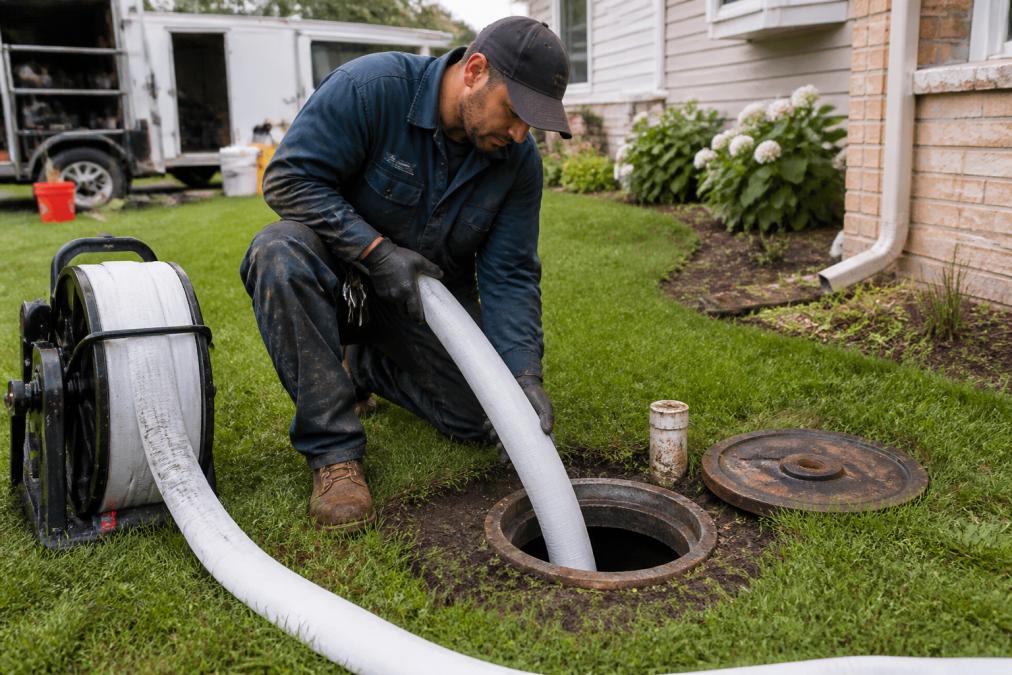
Permanence hinges on accurate diagnosis: cracks and roots point to CIPP lining; a pipe that has lost structural integrity demands a different approach.
Trenchless Sewer Repair vs Traditional Excavation
Traditional excavation digs a trench, removes the old pipe, and installs a new one. It is unambiguously permanent but carries costs beyond plumbing: landscape restoration, driveway replacement, and damage to tree roots.
CIPP lining works when the pipe has good geometry but leaks, cracks, or root intrusion. Pipe bursting fractures the old pipe while pulling a new one in, suiting collapsed or misshapen pipes.
| Repair Method | Best For | Permanence Level | Disruption |
|---|---|---|---|
| CIPP Pipe Lining | Cracked pipes with intact structure | Decades with proper installation | Minimal, one access point |
| Pipe Bursting | Collapsed or misshapen pipes | Equivalent to new pipe | Moderate, two access points |
| Traditional Excavation | Any failure, total replacement | New pipe lifespan | Major landscape disruption |
CIPP Pipe Lining Lifespan and Trenchless Sewer Repair Pros and Cons
CIPP lifespan depends on the pipe material and installation quality. A properly installed epoxy liner in a sound host pipe can match or exceed the original pipe’s remaining life.
Pros: CIPP eliminates root intrusion permanently, restores watertight integrity, needs only one access point, improves flow, and completes within a day. Cons: a liner cannot fix a collapsed or separated pipe, nor address poor slope or settlement.
The most common mistake homeowners make is assuming a video camera inspection alone determines whether lining will work. A proper assessment also requires confirming the pipe has no bellies, no collapsed sections, and that the surrounding soil has not shifted enough to break the pipe’s slope. Skipping this verification is how a trenchless repair becomes a Band-Aid fix.
A reputable contractor runs a second camera inspection after curing to verify no wrinkles or voids. Modern epoxy withstands sewer corrosion and abrasion, creating a pipe within a pipe that does not degrade like cast iron or Orangeburg.
When comparing quotes from contractors, ask specifically about the epoxy resin thickness they plan to install and whether they will provide post-repair camera footage. A liner that is too thin for the pipe diameter can fail prematurely.
Most reputable contractors offer a transferable warranty, often covering the liner for a decade or more, but typically excluding ground movement or new root intrusion.
Applied to the right failure mode with proper diagnosis, CIPP outlasts most homeowners’ tenure. Applied to a collapsed pipe, no liner will hold. Permanence lies in matching technology to the pipe’s condition.
For property owners in Colorado facing sewer line backups, the path forward starts with an honest assessment of what is actually wrong with the pipe. A comprehensive camera inspection will tell you whether trenchless sewer repair offers a genuine permanent solution or whether pipe bursting or replacement is the more honest recommendation. All Sewer and Plumbing Services, LLC has performed this evaluation for residential, commercial, and municipal clients for over two decades. EPA guidance on trenchless sewer rehabilitation methods
The trenchless method has transformed how the plumbing industry approaches failing sewer infrastructure because it solves the problem of access. Water Environment Federation resources on CIPP and pipe rehabilitation A sewer line beneath a mature oak tree, a concrete driveway, or a historical foundation no longer requires destroying what sits above it to fix what lies below.
A contractor who recommends lining for every failure does you a disservice, just as one who quotes excavation without considering trenchless ignores decades of advancement. The right answer emerges from the inspection, not a sales pitch.
Trenchless sewer repair delivers a permanent fix when the host pipe retains its structural shape and the failure stems from cracks, leaks, or root intrusion. If the pipe has collapsed, bellied, or separated, lining will fail prematurely and pipe bursting or excavation is the honest permanent solution.
The sewer maintenance landscape has shifted dramatically since All Sewer and Plumbing Services, LLC began operating in 2009. National Association of Sewer Service Companies technical standards for CIPP installation Homeowners who educate themselves on these distinctions are far better positioned to ask the right questions and demand the right solutions.
Doing nothing compounds quickly: sewage backup, foundation damage, and health risks escalate. In Denver real estate, a failing sewer line can derail a sale, while a documented trenchless repair with camera footage gives buyers confidence. For municipalities, trenchless extends infrastructure life without closing streets for weeks.
Permanence comes down to honest diagnosis and proper installation. All Sewer and Plumbing Services, LLC brings over two decades of experience to that assessment. Schedule an inspection today and get a straight answer.
Frequently Asked Questions
What are the potential downsides of trenchless sewer repair?
The main downsides are that it requires a specialist technician and the upfront cost is often higher than a simple patch. It also won’t fix severe pipe collapse or joints that have separated completely. A video camera inspection is essential to confirm the pipe’s remaining structural integrity. If the pipe is too damaged, traditional excavation or pipe bursting may be the better choice for a lasting repair.
How long does trenchless sewer repair last?
A properly installed CIPP liner is designed for long-term durability. Its lifespan depends on the quality of the installation, the condition of the original pipe, and whether the sewer line is maintained. Since the epoxy liner creates a new, smooth pipe within the old one, it resists root intrusion and corrosion. This makes trenchless sewer repair a long-term solution compared to snaking or patching, though regular inspections are still recommended.
Does trenchless pipe lining work on all types of pipe damage?
No. CIPP lining works best on pipes with cracks, corrosion, and root intrusion, but it requires the pipe to retain its basic shape. It is not suitable for pipes that have fully collapsed or have severe bellied sections where water pools. A drain camera inspection is the only way to tell if your pipe is a good candidate. If it isn’t, pipe bursting or a traditional sewer replacement might be required.
FREE Estimates
How can we help you?

our services


contact our team today
Contact a service professional at All Sewer and Plumbing Services LLC today. We are here to answer all your questions.
OPEN 24 hours 7 days a week