Trenchless vs Traditional Sewer Repair: 2026 Guide

Table of Contents
- Trenchless vs Traditional Sewer Repair: Key Differences
- Comparison Table: Trenchless vs Traditional Methods
- Signs You Need Sewer Repair
- Pros and Cons of Trenchless Sewer Repair
- Pros and Cons of Traditional Sewer Excavation
- Cost of Trenchless Sewer Repair vs Traditional Methods
- Trenchless Sewer Repair Lifespan and Durability
- Time, Disruption, and Property Impact
- Frequently Asked Questions
Last Updated: August 31, 2026
Trenchless vs Traditional Sewer Repair: Key Differences
When a sewer line fails, you face a critical choice: trenchless vs traditional sewer repair. The difference isn’t just about cost or convenience, it fundamentally changes how much of your property gets disrupted, how long the work takes, and whether your landscaping survives intact. At All Sewer and Plumbing Services, LLC, we’ve helped homeowners and commercial property managers navigate this decision by understanding exactly what each method involves and where it actually works.
Traditional sewer repair means excavation. Trenchless methods avoid the shovel entirely. But the real distinction runs deeper: traditional excavation can handle virtually any pipe problem, while trenchless technology works brilliantly for some situations and hits hard limits in others. Understanding those limits upfront prevents costly surprises.
How Traditional Excavation Works
Traditional sewer excavation involves digging a trench from the surface down to the damaged section of pipe, removing the old pipe, and installing a new one. The crew determines the exact location of the problem using camera inspection, marks the area, and digs down, sometimes 10, 15, or 20 feet depending on how deep your sewer line runs (the EPA).
Once the trench is open, the old pipe comes out in sections. If the damage is severe, the entire run gets replaced. New pipe goes in, gets properly sloped and connected to the existing system, and then the trench gets backfilled. For cast iron, clay, or asbestos cement pipes, this is often the only reliable solution.
The upside: excavation handles absolutely everything. Collapsed pipes, severe misalignment, undersized lines that need upgrading, root intrusion that’s destroyed structural integrity, all of it gets solved with replacement. You get a brand-new pipe with a full lifespan ahead of it.
The downside is immediate and visible: your driveway, landscaping, patio, or hardscape gets torn up. Restoration afterward adds time and cost. For properties with mature trees, extensive landscaping, or tight spaces, the collateral damage can exceed the repair cost.
How Trenchless Methods Work
Trenchless technology eliminates the massive excavation by working through existing access points, typically the cleanout at the property line or a small pit at each end of the damaged section. Two primary methods dominate the trenchless market: cured-in-place pipe (CIPP) lining and pipe bursting.
CIPP epoxy pipe lining works by inserting a resin-saturated fabric tube into the existing damaged pipe and curing it in place. The new epoxy liner hardens inside the old pipe, creating a seamless, corrosion-resistant surface. The process requires minimal excavation, often just access pits at either end, and can be completed in a single day for shorter runs. The new lining seals cracks, joints, and small holes while restoring flow capacity (peer-reviewed research).
Pipe bursting replaces the old pipe without removing it. A pulling head fractures the existing pipe outward while simultaneously pulling a new pipe into place. This method works especially well for severely damaged pipes like brittle clay or cast iron that are beyond repair with lining. It also allows for upsizing, pulling a slightly larger pipe through the old one’s path to increase flow capacity.
Both methods preserve your landscape. No trenches means your driveway stays intact, your garden doesn’t get destroyed, and your property looks normal when the crew leaves.
Comparison Table: Trenchless vs Traditional Methods
|
Factor |
Trenchless (CIPP Lining) |
Traditional Excavation |
|
|---|---|---|---|
|
Excavation Required |
Minimal (access pits only) |
Minimal (access pits only) |
Full trench to damaged section |
|
Property Disruption |
Minimal |
Minimal |
Severe (driveway, landscaping destroyed) |
|
Installation Time |
1-3 days (depending on length) |
1-2 days per section |
5-10 days (including restoration) |
|
Pipe Replacement |
No (lines existing pipe) |
Yes (pulls new pipe through) |
Yes (removes old, installs new) |
|
Upsizing Capability |
No |
Yes (slight increase) |
Yes (full sizing options) |
|
Best For |
Cracks, corrosion, root intrusion |
Severely damaged/collapsed pipes |
Complete replacement, major misalignment |
|
Lifespan |
50-60+ years |
50+ years |
50-100+ years (new pipe) |
|
Ideal Pipe Diameter |
2-48 inches |
2-48 inches |
Any size |
|
Cost Range |
Lower to moderate |
Moderate |
Higher (excavation + restoration) |
Signs You Need Sewer Repair
Recognizing when your sewer line needs attention prevents catastrophic failures. Sewage backups into your home, persistent slow drains throughout the house, unusual wet spots in your yard, or a persistent odor near the sewer cleanout all signal problems. Some issues are subtle: cracks that allow groundwater infiltration can slowly undermine the pipe’s integrity without causing immediate backups.
The only reliable way to diagnose the actual problem is video pipe inspection. A camera mounted on a flexible rod travels through your sewer line and shows exactly where cracks, root intrusion, offset joints, or collapse has occurred. This inspection determines whether you need lining, bursting, or full excavation, and it prevents guesswork that leads to wrong repairs.
Pros and Cons of Trenchless Sewer Repair
Trenchless methods, particularly CIPP epoxy pipe lining, offer significant advantages for the right situations. The minimal excavation means your driveway, landscaping, and hardscape stay intact. Installation typically takes one to three days, compared to a week or more for traditional excavation plus restoration. You avoid the disruption to your daily life or business operations.
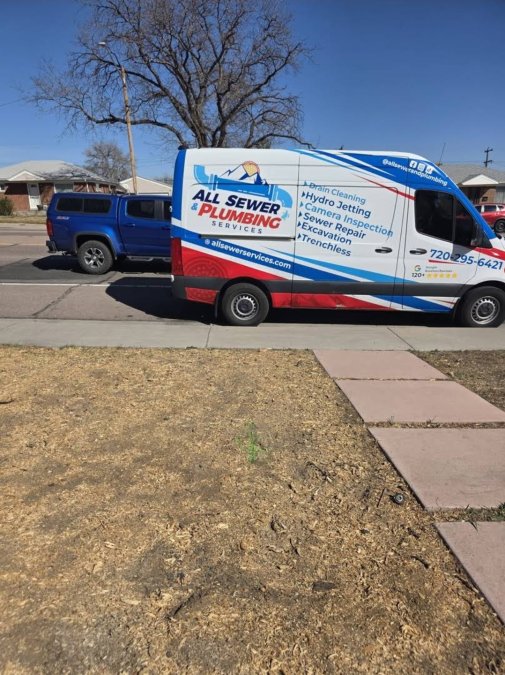
Professional technician inserting resin-saturated CIPP liner into sewer pipe through small access pit, with minimal visible excavation and protective equipment on residential property
The epoxy lining creates a smooth, corrosion-resistant interior surface that improves flow and resists buildup. For homeowners dealing with clay pipes that are cracking or corroding, or cast iron suffering from rust, lining restores structural integrity without the massive disruption of replacement. The new liner typically lasts 50-60 years or more with proper maintenance.
But trenchless repair has real limits. CIPP lining cannot correct significant pipe misalignment or offset joints, if the old pipe is severely out of alignment, the liner won’t fix that. It also cannot upsize the pipe. If your problem is an undersized line causing chronic backups, lining won’t solve it; you need a larger pipe, which requires either bursting or excavation.
When Trenchless Repair Reaches Its Limits
Root intrusion that’s completely destroyed pipe sections, severe misalignment, or complete pipe collapse sometimes exceeds what lining can handle. If the pipe is so damaged that the camera can’t even navigate it, or if the damage is so extensive that lining would be unreliable, excavation and replacement become the only option.
Soil conditions also matter. Certain clay soils or highly saturated ground can complicate access pit installation for trenchless work. Some municipalities have specific requirements about how trenchless repairs must be performed, which can affect feasibility.
Additionally, if your sewer line has severe bellies (low spots where sewage pools) or multiple areas of collapse, lining one section might not address the overall problem. In these cases, replacement provides a more permanent solution.
Pros and Cons of Traditional Sewer Excavation
Traditional excavation is the most comprehensive repair method. It handles every problem: complete pipe replacement, upsizing for increased capacity, full correction of misalignment, and removal of all damaged sections. You get a brand-new pipe with a full lifespan ahead, and there’s no guesswork about whether the repair will hold.
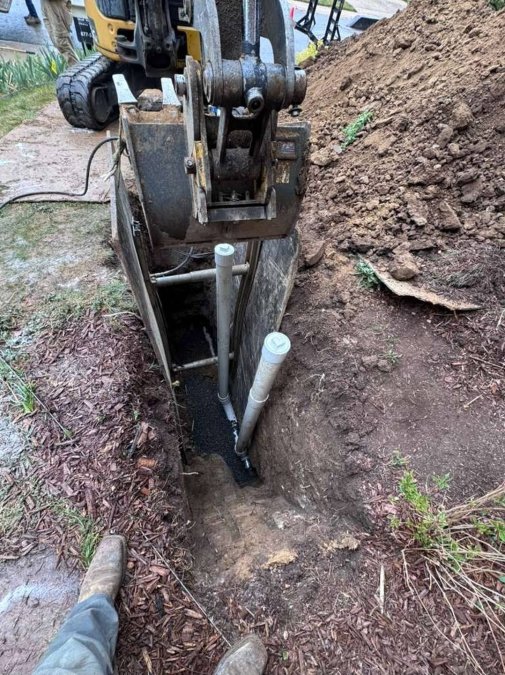
Large backhoe excavating deep trench across residential yard exposing sewer line, with significant property disruption, dirt piles, and heavy equipment visible
For older homes with severely compromised clay or cast iron pipes, excavation and replacement often provides the most reliable long-term solution. The new pipe, whether PVC, HDPE, or another modern material, is built to last 50-100 years depending on soil conditions and maintenance.
The tradeoff is immediate and substantial: your property takes a hit. Driveways crack or require complete replacement. Mature landscaping gets removed. Underground utilities can be damaged if not properly located. Restoration costs add thousands to the project. The work typically takes a week or more, and your yard looks like a construction zone the entire time.
For commercial properties, the disruption can mean business interruption. For homeowners, it’s weeks of dust, noise, and landscape destruction. The total cost, repair plus restoration, often significantly exceeds trenchless alternatives for the same pipe run.
Cost of Trenchless Sewer Repair vs Traditional Methods
Cost comparison between trenchless vs traditional sewer repair depends heavily on your specific situation, property layout, pipe length, and damage severity. Trenchless methods generally cost less upfront because they require minimal excavation and no restoration work. The epoxy lining itself is less expensive than replacing pipe and backfilling trenches.
However, the cost picture shifts if your situation requires pipe bursting instead of lining, bursting costs more than lining but still typically less than full excavation plus restoration. And if traditional excavation is your only option due to severe damage, the cost comparison becomes academic.
For accurate pricing on your specific situation, contact All Sewer and Plumbing Services, LLC for a free estimate. We’ll perform a camera inspection, diagnose the exact problem, and provide clear pricing for both trenchless and traditional options so you can make an informed decision.
One important factor: some insurance policies cover emergency sewer line repairs differently depending on the method used. Check your policy before deciding, as this can shift the actual out-of-pocket cost significantly.
Trenchless Sewer Repair Lifespan and Durability
CIPP epoxy pipe lining typically lasts 50-60 years or longer when properly installed and maintained. The epoxy material resists corrosion, root intrusion, and chemical degradation far better than aging clay or cast iron. The smooth interior surface also resists grease and scale buildup, which helps maintain flow over decades.
Pipe bursting, replacing the pipe entirely through trenchless methods, offers similar longevity since you’re installing modern pipe material. The new pipe itself typically lasts 50+ years depending on soil conditions and water chemistry.
Traditional replacement with new pipe offers comparable or slightly longer lifespan since you’re starting completely fresh with no compromised sections. A properly installed new sewer line can last 50-100 years depending on material and conditions (asce.org).
The real durability question isn’t the pipe itself, it’s whether the repair addresses the root cause. If root intrusion destroyed your old pipe, and you choose lining instead of addressing the roots, you might see problems return within a few years. This is why proper diagnosis through video inspection before repair is critical.
Time, Disruption, and Property Impact
Trenchless repair wins decisively on speed and disruption. CIPP lining can be completed in one to three days for most residential runs. Pipe bursting typically takes one to two days per section. Your property remains largely undisturbed. You might have a small access pit or two, but your driveway, landscaping, and daily life continue essentially unchanged.
Traditional excavation takes significantly longer. The crew must locate the line, mark the trench path, excavate (often 10-20 feet deep), remove and replace pipe, backfill, and then restore the surface. For a typical residential sewer line repair, expect five to ten days of active work, plus additional time if the trench crosses utilities that need careful hand-digging.
The property impact is substantial. Trenches destroy driveways, kill landscaping, expose underground utilities, and create safety hazards. Restoration afterward, patching asphalt, replanting, reseeding, takes weeks to complete and often requires multiple contractors.
For commercial properties, the time difference matters enormously. A retail location or office building losing water service for a week causes real business loss. Trenchless methods minimize downtime to hours, not days.
For homeowners, the choice often comes down to this: pay slightly more upfront for trenchless repair and keep your property intact, or save money on the repair itself and spend weeks dealing with a construction zone and restoration costs.
Choosing between trenchless vs traditional sewer repair depends on your specific pipe damage, property layout, and budget. The wrong choice can mean spending money on a temporary fix or dealing with years of disruption. All Sewer and Plumbing Services, LLC specializes in accurate diagnosis through video inspection and honest recommendations about which method actually solves your problem. We offer free estimates and handle both trenchless CIPP epoxy pipe lining and pipe bursting, along with traditional excavation when that’s the right call. Schedule your inspection today and get a clear picture of your options.
Frequently Asked Questions
Q: Is trenchless sewer repair better than traditional excavation?
A: Neither method is universally better—it depends on your specific situation. Trenchless repair causes minimal property damage and completes faster, making it ideal for landscaped yards or slab foundations. Traditional excavation works better for severely collapsed pipes, complete replacements with upsizing needs, or when soil conditions prevent trenchless installation. A video pipe inspection determines which method suits your sewer line.
Q: What are the signs you need sewer repair?
A: Watch for sewage backups in toilets or drains, slow drainage throughout your home, foul odors near your yard or foundation, patches of unusually green grass (indicating sewage leaks), and cracks in your foundation or basement walls. Older homes with clay or cast iron pipes, and properties with large trees, are at higher risk. A sewer camera inspection confirms whether repair or replacement is needed.
Q: How long does trenchless sewer repair lifespan last?
A: CIPP epoxy pipe lining can last 50-60 years or longer with proper maintenance, matching or exceeding traditional pipe replacement lifespans. Pipe bursting also provides decades of durability since it installs new material. Lifespan depends on water chemistry, soil conditions, and maintenance. Regular hydro-jetting prevents root intrusion and buildup, extending the repair’s effective life significantly.
Q: Is trenchless sewer repair more expensive than traditional methods?
A: Trenchless repair costs vary by pipe diameter, length, and damage severity. While the trenchless technology itself may carry higher per-foot material costs, you save substantially on excavation, landscaping restoration, and equipment rental. The total project cost often favors trenchless when property damage and restoration expenses are factored in. Request a free estimate to compare pricing for your specific situation.
This article was written using GrandRanker
FREE Estimates
How can we help you?

our services


contact our team today
Contact a service professional at All Sewer and Plumbing Services LLC today. We are here to answer all your questions.
OPEN 24 hours 7 days a week