Trenchless Sewer Repair Pricing Factors 2026
Table of Contents
- What Determines Trenchless Sewer Repair Pricing
- CIPP Pipe Lining Cost Per Foot and What Affects It
- Trenchless vs Traditional Sewer Repair Cost Comparison
- How Pipe Diameter and Material Influence Total Project Cost
- Trenchless Sewer Repair Duration and Labor Cost Impact
- Hidden Costs Beyond the Initial Quote
- Financing, Warranties, and Long-Term Value
- Conclusion
- Frequently Asked Questions
Last Updated: September 2, 2026
What Determines Trenchless Sewer Repair Pricing
When evaluating trenchless sewer repair pricing factors, homeowners and property managers discover that costs vary based on specific project characteristics. Understanding what drives these differences is essential before requesting quotes. At All Sewer and Plumbing Services, LLC, we’ve analyzed hundreds of projects to identify the key variables that influence final pricing.
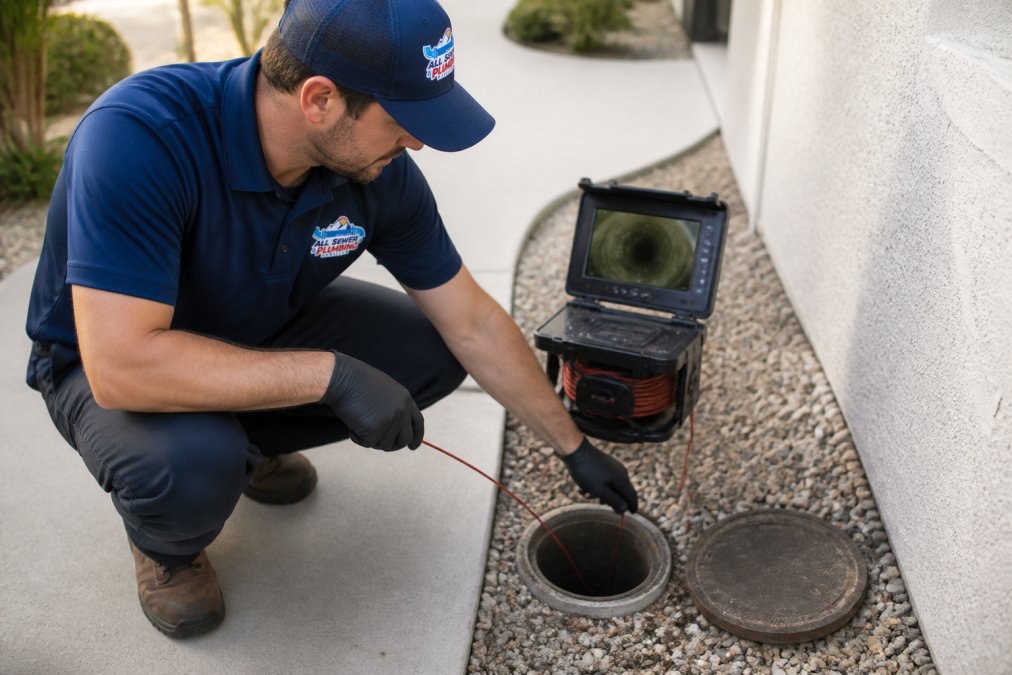
The primary factors affecting trenchless sewer repair pricing include pipe diameter, repair method, soil conditions, accessibility to the damaged section, and the extent of damage discovered during inspection. A video camera inspection typically precedes any repair estimate, revealing the exact nature of the problem and determining whether CIPP pipe lining or pipe bursting is the appropriate solution.
Linear footage represents the most straightforward pricing component. CIPP lining and pipe bursting both charge per linear foot of damaged pipe, though rates differ based on method and pipe diameter. A 4-inch residential lateral costs less per foot than an 8-inch commercial line, reflecting the material and labor intensity required.
Soil conditions significantly impact project scope and duration. Clay, sandy, or rocky soil each presents different challenges. Rocky terrain may require specialized equipment or additional labor. Wet soil conditions can delay work and increase costs. Contractors assess soil type during the initial site visit, information that shapes the final bid.
Access to the damaged section determines whether technicians can reach the pipe efficiently. A sewer line running beneath a driveway, under mature landscaping, or deep underground requires different access strategies than one in an open yard. Limited accessibility often necessitates additional excavation for entry and exit points, raising overall project cost.
The extent of structural damage revealed by camera inspection determines whether CIPP lining (repair within the existing pipe) or pipe bursting (complete replacement) is required. Minor cracks and joint separation typically qualify for lining. Severely collapsed pipes, extensive root intrusion, or undersized lines often require full replacement via pipe bursting.
CIPP Pipe Lining Cost Per Foot and What Affects It
CIPP pipe lining creates a new, seamless pipe within the existing damaged one, making it an attractive option when structural integrity can be preserved. Understanding the per-foot economics helps property owners evaluate whether this method suits their situation and budget constraints.
CIPP lining costs vary depending on pipe diameter and project complexity. A 4-inch residential sewer lateral costs less per foot than a 6-inch line, which costs less than an 8-inch or larger commercial main. The resin material, labor intensity, and curing time all scale with pipe size.
Several variables push costs toward the higher end of the range. Pipes with severe root intrusion may require hydro-jetting before lining, an additional service that prepares the interior surface and ensures proper resin adhesion. Pipes with multiple bends or complex geometry increase installation time. Deep pipes requiring longer access trenches add labor costs.
Straightforward jobs with minimal complications land closer to the lower range. Short runs of damaged pipe in accessible locations with good soil conditions and standard 4-inch diameter result in faster installation and reduced per-foot pricing.
The curing process for CIPP epoxy lining varies by product and temperature. Most systems cure within 24 to 48 hours, during which the property may have water service restrictions (peer-reviewed research). Some formulations allow faster curing, potentially reducing project duration and overall cost.
CIPP lining’s durability extends the service life of aging pipes significantly. Many installations carry warranties extending 25 to 50 years, providing long-term value despite the upfront per-foot investment.
Trenchless vs Traditional Sewer Repair Cost Comparison
Comparing trenchless methods to traditional excavation reveals why many property owners choose the no-dig approach. Both methods solve the problem, but the total cost equation includes restoration expenses that trenchless technology minimizes.
Traditional sewer line replacement requires excavating a continuous trench from the damaged section’s start to finish. A 50-foot sewer lateral needing replacement demands a 50-foot trench, potentially running beneath driveways, patios, gardens, and mature landscaping. Excavation itself represents significant labor, but restoration costs often exceed the pipe replacement expense.
Restoring a trenched yard involves replacing topsoil, reseeding lawn, replanting landscaping, and repairing hardscape features like driveways and patios. Mature trees and established gardens cannot be quickly replaced. Some properties face restoration costs equaling or exceeding the pipe work itself, making total project expenses substantially higher than the per-foot pipe cost alone.
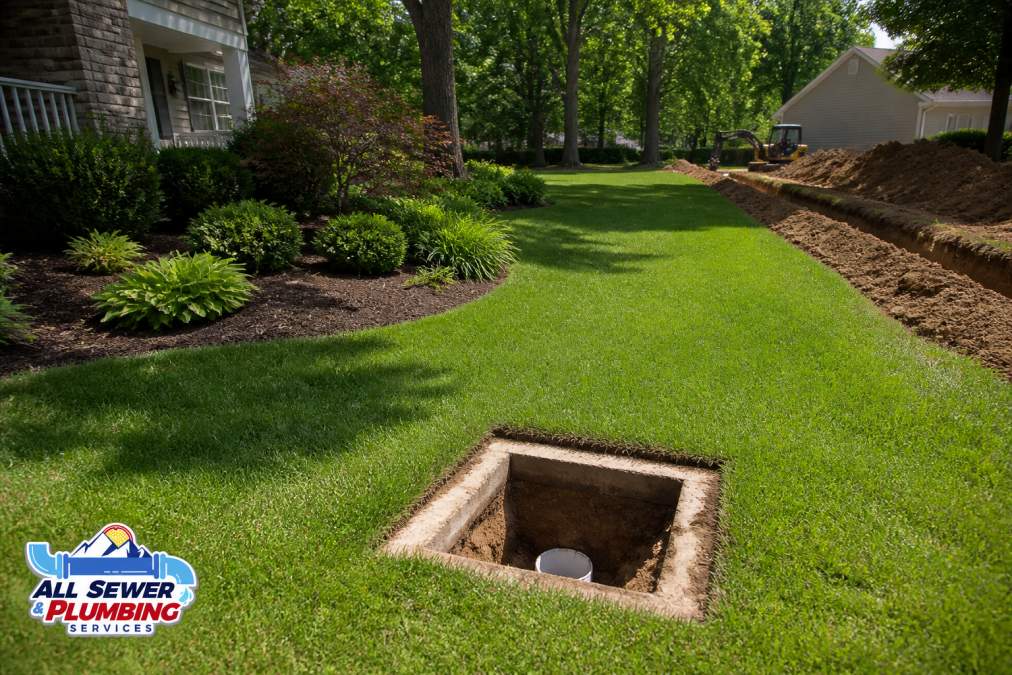
Trenchless methods require only small access pits at the entry and exit points, typically 3 to 4 feet wide and deep (nastt.org). A 50-foot sewer line repair requires two small pits instead of a 50-foot trench. Landscaping remains largely undisturbed. Driveway restoration becomes unnecessary. Restoration costs drop dramatically, often by a significant percentage compared to traditional excavation.
The labor timeline differs significantly. Traditional excavation, pipe installation, and restoration spanning multiple days or weeks means extended property disruption. Trenchless projects often complete within one to two days, minimizing inconvenience and allowing faster return to normal property use.
For commercial properties, the cost comparison becomes even more favorable to trenchless methods. Business interruption, parking lot closure, or tenant inconvenience creates hidden costs that trenchless technology avoids.
How Pipe Diameter and Material Influence Total Project Cost
Pipe size and composition directly determine material costs, labor requirements, and equipment specifications for any trenchless sewer repair project. Larger pipes and certain materials command premium pricing.
A 4-inch residential sewer lateral represents the most common application and typically offers the most competitive per-foot rates. This standard size handles typical household wastewater volumes and exists in the majority of residential properties. Contractors have abundant experience and readily available materials, keeping costs efficient.
A 6-inch line costs more per foot than a 4-inch because it requires proportionally more resin material for CIPP lining or a larger bursting head and pipe for replacement. Commercial sewer mains ranging from 8 to 12 inches or larger represent substantial projects requiring specialized equipment and expertise. Per-foot costs climb significantly.
Original pipe material influences whether trenchless repair is viable and affects pricing. Clay pipes, common in homes built before 1970, suffer from root intrusion and joint separation, ideal candidates for CIPP lining. Cast iron pipes, found in older commercial buildings, can be lined successfully but may require careful preparation. Concrete pipes tolerate lining well.
Severely corroded or deteriorated pipes may require hydro-jetting before lining to ensure proper surface preparation. Pipe bursting requires selecting appropriate replacement material. PVC pipe costs less per linear foot than cast iron but may not suit all applications.
Trenchless Sewer Repair Duration and Labor Cost Impact
Project timeline and labor intensity directly correlate with overall pricing for trenchless sewer repair. Understanding how duration affects costs helps property owners evaluate quotes and plan for service interruptions.
CIPP lining typically completes within one to two days for residential laterals. A standard 40-foot sewer lateral can be inspected, cleaned, lined, and tested within a single workday. This rapid timeline reduces labor costs compared to multi-day traditional excavation projects.
Pipe bursting projects require slightly longer timeframes. The process involves setting up entry and exit pits, positioning the bursting equipment, pulling the new pipe through the old one, and making final connections. A typical residential lateral bursting job requires one to two days, similar to lining timelines but with different labor distribution.
Labor rates vary by region and contractor experience level. All Sewer and Plumbing Services, LLC brings over two decades of experience to every project, ensuring efficient execution and predictable timelines. Experienced crews complete work faster and with fewer complications than less-seasoned contractors, ultimately affecting total labor costs.
Complexity extends project duration and labor costs. Pipes with multiple bends, severe damage requiring extensive cleaning, or difficult access increase the hours required. Site conditions impact labor efficiency. Wet soil, frozen ground, or unstable terrain slows progress. Accessibility challenges, limited space for equipment, overhead obstacles, or proximity to utilities require careful work and additional time.
Curing time for CIPP epoxy affects project duration and water service availability. Most systems require 24 to 48 hours of curing before normal water use resumes. Faster-curing formulations can reduce this window, potentially justifying a premium cost for properties where service interruption creates significant inconvenience.
Hidden Costs Beyond the Initial Quote
Most property owners focus on the per-foot pipe cost when evaluating trenchless sewer repair pricing, overlooking legitimate expenses that emerge during or after the project. Understanding these potential additions prevents budget surprises.
Video camera inspection precedes any accurate repair estimate. This diagnostic service reveals the exact problem location, extent of damage, and appropriate repair method. Inspection costs vary based on sewer line length and accessibility but represent a necessary investment in accurate pricing.
Hydro-jetting preparation removes debris, grease buildup, and minor root intrusion from the pipe interior before lining installation. This cleaning ensures proper resin adhesion and maximizes the new liner’s lifespan. Some projects require jetting; others don’t. The need becomes apparent only after camera inspection reveals the pipe’s actual condition.
Permits and municipal inspections vary significantly by jurisdiction. Some municipalities require formal sewer repair permits; others don’t. All Sewer and Plumbing Services, LLC handles permit coordination, ensuring compliance with local requirements and preventing costly delays.
Unexpected complications discovered during work can alter final costs. A camera inspection may identify a severely collapsed section requiring pipe bursting instead of lining. Root intrusion may be more extensive than initial assessment suggested. These discoveries, while unwelcome, ensure the repair addresses the actual problem rather than a partial fix that fails prematurely.
Access pit excavation and restoration, while minimal compared to traditional trenching, still represents a cost component. Small entry and exit pits require excavation, temporary support structures, and backfilling. The soil type and depth of the sewer line influence the complexity and cost of pit work.
Post-repair testing and verification ensure the repair succeeded. Many contractors include pressure testing or final camera inspection to confirm proper installation.
Financing, Warranties, and Long-Term Value
Evaluating trenchless sewer repair pricing requires looking beyond the immediate cost to consider financing options, warranty coverage, and the long-term value proposition. A higher upfront investment often delivers superior long-term economics.
Trenchless repairs typically carry warranties extending 25 to 50 years, depending on the method and contractor. CIPP lining warranties often reach 50 years, reflecting the durability of epoxy-lined pipes. Pipe bursting with new PVC or cast iron pipe offers similar extended warranties. These guarantees provide peace of mind and protect against premature failure.
Traditional excavation and replacement may carry shorter warranties, sometimes limited to 5 to 10 years. The exposed pipe installation and restoration work introduces more variables and potential failure points. Trenchless methods, creating seamless liners or installing new pipe in a controlled environment, demonstrate superior longevity.
Financing options help property owners manage the upfront investment. Many contractors offer payment plans or work with third-party financing providers. Some homeowners’ insurance policies cover sewer line repairs, though coverage varies widely. Checking insurance coverage before accepting a quote can reduce out-of-pocket costs significantly.
The cost-benefit analysis of trenchless repair versus traditional methods often favors the no-dig approach when accounting for restoration expenses and long-term durability. A properly executed CIPP lining or pipe bursting repair resolves the issue comprehensively, preventing the repeated temporary fixes, snaking, spot repairs, or emergency service calls that accumulate costs over years.
Property value considerations matter, particularly for homes with known sewer line issues. A completed trenchless repair with extended warranty documentation improves property appeal and supports higher resale value.
Conclusion
Understanding trenchless sewer repair pricing factors helps property owners make informed decisions about protecting their most critical infrastructure. Pipe diameter, repair method, soil conditions, accessibility, and damage extent all influence costs, but the total investment extends beyond per-foot pricing to include restoration expenses, permits, and long-term durability.
All Sewer and Plumbing Services, LLC specializes in both CIPP epoxy pipe lining and pipe bursting technologies, offering free estimates that account for all project variables. With over two decades of experience, our team identifies the most cost-effective solution for your specific situation, whether that’s trenchless repair to preserve your landscape or complete pipe replacement when damage demands it. Schedule a free estimate today and discover how trenchless technology can restore your sewer system efficiently while protecting your property.
| Pricing Factor | Impact on Cost | Typical Range |
|---|---|---|
| Pipe diameter (4″ vs 6″ vs 8″+) | Larger pipes cost more per foot | Varies |
| Repair method (CIPP vs pipe bursting) | Different material and labor requirements | Varies |
| Soil conditions | Rocky or wet soil increases complexity | Varies |
| Site accessibility | Limited access requires additional excavation | Varies |
| Damage extent | Severe damage may require replacement vs. lining | Affects method selection and total scope |
| Hydro-jetting preparation | Cleaning before lining ensures proper adhesion | Varies |
| Permits and inspections | Municipal requirements vary by location | Varies |
| Warranty coverage | Extended warranties reflect long-term value | CIPP lining warranties reach 25-50 years |
Frequently Asked Questions
How do I know trenchless repair will actually work for my sewer line, or is this just a Band-Aid fix?
A professional video camera inspection reveals the exact condition of your pipe, determining whether CIPP lining (repair) or pipe bursting (replacement) is appropriate. Trenchless repair isn’t temporary. CIPP lining creates a structurally sound new pipe within the old one, and pipe bursting installs a brand new pipe. Both methods are permanent solutions. Many installations carry 25 to 50-year warranties, demonstrating the durability of properly executed trenchless repair.
I’ve got a 1920s Victorian home with original clay pipes, can your CIPP lining really handle that, or do I need full excavation anyway?
Clay pipes are ideal candidates for CIPP lining. The epoxy liner bonds effectively to clay, creating a seamless new pipe that resolves root intrusion, joint separation, and corrosion. Full excavation isn’t necessary unless the pipe is so severely collapsed that the liner cannot be installed. All Sewer and Plumbing Services, LLC has successfully restored many clay pipe systems using trenchless methods, protecting historic properties while solving the problem permanently.
Your price seems higher than the other plumbers I called. What am I actually paying extra for with the trenchless method?
The per-foot pricing for trenchless repair may appear higher than traditional excavation quotes, but total project cost tells the real story. Traditional methods require extensive restoration, replacing topsoil, reseeding lawns, repairing driveways and patios. Trenchless work minimizes surface disruption, reducing restoration costs by a significant percentage. You’re also paying for durability: extended warranties, faster completion times, and permanent solutions that prevent repeated temporary repairs over the years.
How long does this epoxy pipe lining actually last? I don’t want to spend money now and have the same problem in five years.
CIPP epoxy lining typically carries warranties extending 25 to 50 years, reflecting realistic service life. The seamless, jointless construction resists root intrusion and corrosion, the primary failure modes of traditional pipes. Many installations outlast these warranty periods, with some functioning flawlessly for decades. This longevity justifies the upfront investment and eliminates the cycle of temporary repairs.
What if you get in there and find out the problem is worse than the camera inspection showed? Are there hidden costs I should know about?
Camera inspection accurately identifies the problem in the vast majority of cases, but occasionally unexpected complications emerge during work, more extensive root intrusion, a severely collapsed section, or an intersection with another utility. These discoveries may expand the repair scope. All Sewer and Plumbing Services, LLC communicates immediately if additional work is necessary and provides updated pricing before proceeding, preventing surprise charges.
Frequently Asked Questions
Is trenchless sewer repair more expensive than traditional excavation?
Trenchless sewer repair typically costs more per linear foot upfront, but the total project cost often favors trenchless methods when you factor in restoration expenses. Traditional excavation requires filling trenches, replacing driveways, and restoring landscaping, which adds to the final bill. Trenchless repair minimizes these secondary costs, making the overall investment competitive or lower despite higher per-foot pricing for the repair itself.
How long does trenchless sewer repair actually last?
CIPP epoxy pipe lining typically lasts 50 years or more, with many installations carrying manufacturer warranties reflecting that durability. Pipe bursting creates a brand-new pipe that lasts as long as the material itself (PVC pipes last 50-100 years). Both methods address the root cause of failure rather than treating symptoms, which is why they outperform temporary fixes like snaking, which may require repeated treatment within months or years.
What factors cause sewer repair quotes to vary so widely?
Quotes vary based on pipe diameter, depth, soil conditions, accessibility, pipe material, and the repair method chosen. Root intrusion, structural collapse, and pipe offset all affect complexity and cost. Geographic location influences labor rates and permitting fees. A camera inspection reveals these factors before pricing, which is why getting an accurate quote requires a professional assessment rather than phone estimates alone.
Can trenchless repair work on old clay pipes in historic homes?
Yes. CIPP lining works on clay, cast iron, concrete, and other pipe materials. The epoxy creates a new structural pipe inside the existing one, regardless of what the original pipe is made from. This makes trenchless repair ideal for historic properties where full excavation would damage original landscaping, foundations, or architectural features.
This article was written using GrandRanker
FREE Estimates
How can we help you?

our services


contact our team today
Contact a service professional at All Sewer and Plumbing Services LLC today. We are here to answer all your questions.
OPEN 24 hours 7 days a week