Backwater Valve Versus Check Valve Differences
A sewer backup does not wait for a convenient time. It can shut down a restaurant, damage a finished basement, interrupt operations at a school, or create an expensive cleanup at home. Understanding the difference between a backwater valve versus check valve helps property owners choose protection that matches the actual risk – not simply the first valve that sounds right.
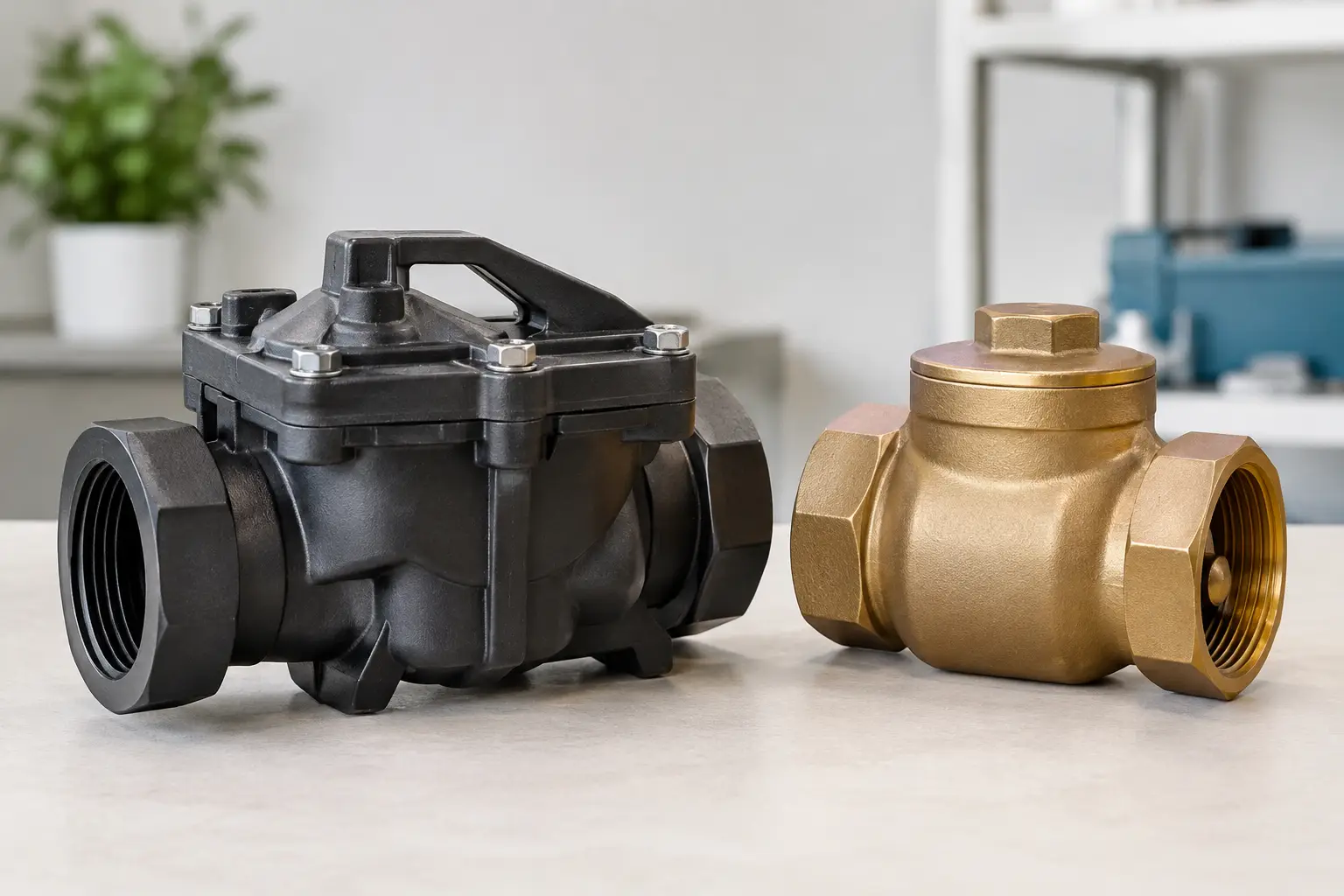
Both devices control flow in one direction, but they are designed for different piping conditions and failure scenarios. A backwater valve is generally used on gravity-fed building drains and sewers to stop sewage from reversing into a structure. A check valve is a broader category of one-way valve, commonly used where pumped or pressurized water must not flow backward. Installing the wrong type, or placing the right type in the wrong location, can leave a property exposed.
Backwater Valve Versus Check Valve: The Core Difference
A backwater valve is built to protect a building from a sewer surcharge. During heavy rain, a public sewer blockage, or a downstream capacity problem, wastewater can rise in the municipal sewer and push backward toward private properties. The valve closes when reverse flow begins, helping prevent sewage from entering the building through floor drains, toilets, showers, and other low-level fixtures.
Most backwater valves are installed in the building sewer or drain line. They are intended for gravity drainage, where wastewater normally travels downhill toward the public sewer. Inside the valve, a flap, gate, or other closure mechanism stays open during normal drainage and closes when flow reverses.
A check valve also permits flow in one direction and blocks reverse movement, but its common role is different. It is frequently installed on a sump pump discharge line, sewage ejector piping, irrigation system, boiler system, or other pressurized line. When a pump shuts off, the check valve prevents the water in the discharge pipe from draining back into the pit or equipment.
The distinction matters because sewer backup protection involves solids, gravity flow, access for cleaning, and the possibility of a public sewer surcharge. A standard check valve may not be designed, listed, or properly configured to handle those conditions.
What a Backwater Valve Does During a Sewer Backup
When the public sewer is flowing normally, a backwater valve allows wastewater to leave the property. If the sewer downstream becomes overloaded and flow starts moving in the opposite direction, the valve closes. That closure creates a barrier between the backed-up public sewer and the private building drain.
This protection is especially relevant for properties with fixtures below the level of the next upstream manhole or the street sewer. Finished basements, below-grade bathrooms, laundry rooms, floor drains, commercial kitchens, and mechanical rooms are often the first areas affected by a sewer surcharge.
There is an operational trade-off. Once a backwater valve closes, wastewater from inside the building may no longer be able to exit through that sewer line. Occupants may need to limit water use until the public sewer condition clears. A properly planned system can protect lower-level fixtures while allowing upper fixtures to continue draining, but the layout must be evaluated carefully by a qualified plumbing professional.
A backwater valve is not a cure for every backup. If roots, grease, a broken pipe, or a blockage exists in the private sewer lateral, the valve will not remove it. In fact, a closed or poorly maintained valve can contribute to drainage problems. Accurate diagnosis comes first.
Where Check Valves Belong
Check valves are often critical components in plumbing systems, just not necessarily as primary sewer-backup protection. Their job is to stop reverse flow after pressure drops or a pump cycles off.
For example, a sump pump sends groundwater from a pit up and out through a discharge pipe. Without a check valve, water in that vertical pipe can fall back into the pit each time the pump stops. The pump then has to move the same water again, increasing run time and wear. A correctly sized check valve keeps the discharge water moving away from the system.
Sewage ejector pumps also rely on check valves. These pumps lift wastewater from below-grade fixtures to an overhead sewer line. The check valve prevents the discharged wastewater from returning to the basin after the pump shuts down. In commercial, institutional, and industrial settings, the valve selection must account for flow rate, pressure, solids handling, material compatibility, and service access.
Check valves may also be used in water supply, fire protection, and process systems. Their design can vary widely, including swing, spring-loaded, ball, and silent check valves. That variety is precisely why the term alone does not tell you whether a valve is appropriate for a building sewer.
Choosing the Right Valve for Your Property
The correct choice depends on how water moves through the pipe and what type of reverse flow you are trying to prevent. A gravity sewer that is vulnerable to municipal surcharge may require a code-compliant backwater valve. A pumped discharge line typically requires a check valve suited to the pump and piping system. Some properties need both, each serving a separate purpose.
Before recommending a valve, an experienced sewer contractor should evaluate the pipe configuration, fixture elevations, sewer connection, history of backups, and condition of the private lateral. A camera inspection can reveal root intrusion, offset joints, cracking, bellies, grease buildup, or obstructions that may be causing repeat problems. Installing a valve without addressing a damaged sewer line can create a false sense of security.
For older Denver-area properties, depth and access are also major considerations. Many sewer laterals run beneath landscaping, driveways, patios, or finished interiors. If the line needs repair in addition to valve installation, trenchless methods such as CIPP epoxy pipe lining or pipe bursting may reduce excavation and disruption. The best solution is the one that restores reliable drainage while protecting the surface features and operations that matter to the property owner.
Installation Details That Affect Performance
A valve is only as reliable as its installation and maintenance plan. It must be correctly sized for the pipe, installed in the proper direction, and placed where it can be accessed for inspection and service. Burying a serviceable valve without an accessible cover can turn a simple cleaning task into unnecessary excavation.
For backwater valves, access is particularly important because debris can interfere with the closing mechanism. Paper products, wipes, grease, scale, and solids can prevent a gate or flap from seating properly. The valve should be inspected on a schedule that matches the property’s use and exposure. A busy commercial kitchen, multi-unit building, or facility with frequent drain issues may need more frequent service than a typical single-family home.
Check valves also need service access. A worn flapper, damaged spring, or buildup inside the valve can cause pump cycling, noise, reduced performance, or backflow into a basin. When replacing a pump, it is wise to inspect the existing check valve rather than assuming it remains functional.
Local plumbing codes and permit requirements may apply, especially when adding sewer-backup protection or modifying drainage piping. Proper installation protects the building and helps avoid expensive corrections later.
Signs You May Need Sewer Backflow Protection
A property should be evaluated after any sewer backup, particularly if the problem appeared at floor drains or lower-level fixtures during heavy rainfall. Recurring backups that occur when the private line appears clear can also point to a downstream surcharge issue.
Other warning signs include gurgling fixtures during storms, water rising in a basement drain, sewage odors near low-level drains, or a history of neighborhood sewer flooding. For commercial facilities, even one event can justify a detailed assessment because downtime, sanitation requirements, and damaged inventory can quickly exceed the cost of preventive work.
All Sewer and Plumbing Services, LLC uses diagnostic inspection and trenchless sewer expertise to identify whether the problem is a failing private lateral, a drainage design issue, or a condition that calls for properly installed backflow protection. The goal is not to sell a valve for every drain complaint. It is to identify the source of the risk and complete the repair with the least possible disruption.
If wastewater has already entered the building, treat it as an urgent situation. Stop using water where possible, keep people away from contaminated areas, and arrange for professional sewer evaluation. The right valve can be valuable protection, but it performs best as part of a well-maintained, properly diagnosed sewer system.
FREE Estimates
How can we help you?

our services


contact our team today
Contact a service professional at All Sewer and Plumbing Services LLC today. We are here to answer all your questions.
OPEN 24 hours 7 days a week